
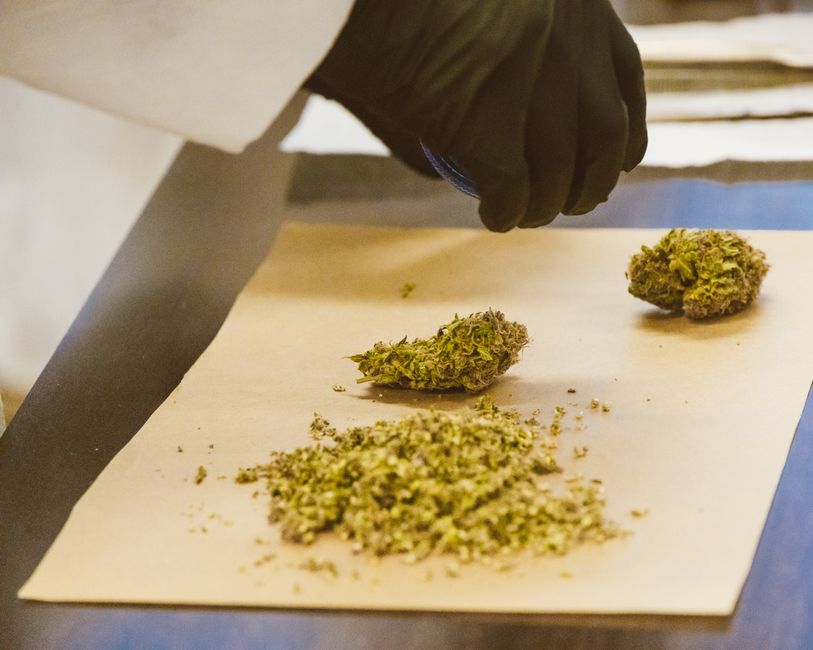

A comprehensive new review has found surprisingly little reliable evidence that medical cannabis improves sleep, despite growing numbers of people turning to it for insomnia. The findings don't establish that cannabis is ineffective for sleep, but rather that existing research isn't strong enough to tell us one way or another.
The gap between how widely cannabis is being used as a sleep aid and how much solid evidence supports that use is wider than many people realise. According to ScienceDaily, this major review looked at whether medical cannabis improved sleep quality, sleep duration, or how people functioned during the day, and found little strong evidence across these measures.
What the Review Actually Shows
The review challenges the enthusiasm around medical cannabis for insomnia, but researchers are careful about what their findings mean. The problem isn't necessarily that cannabis doesn't help with sleep. The problem is that the studies conducted so far have significant weaknesses that make it hard to draw firm conclusions.
This pattern will sound familiar to anyone who has followed questions about cannabis for mental health conditions more broadly, where popular use often runs ahead of scientific certainty. The difference between weak evidence and evidence of ineffectiveness matters. One means we don't know yet; the other means we've tested something properly and found it doesn't work. This review points to the first situation, not the second.
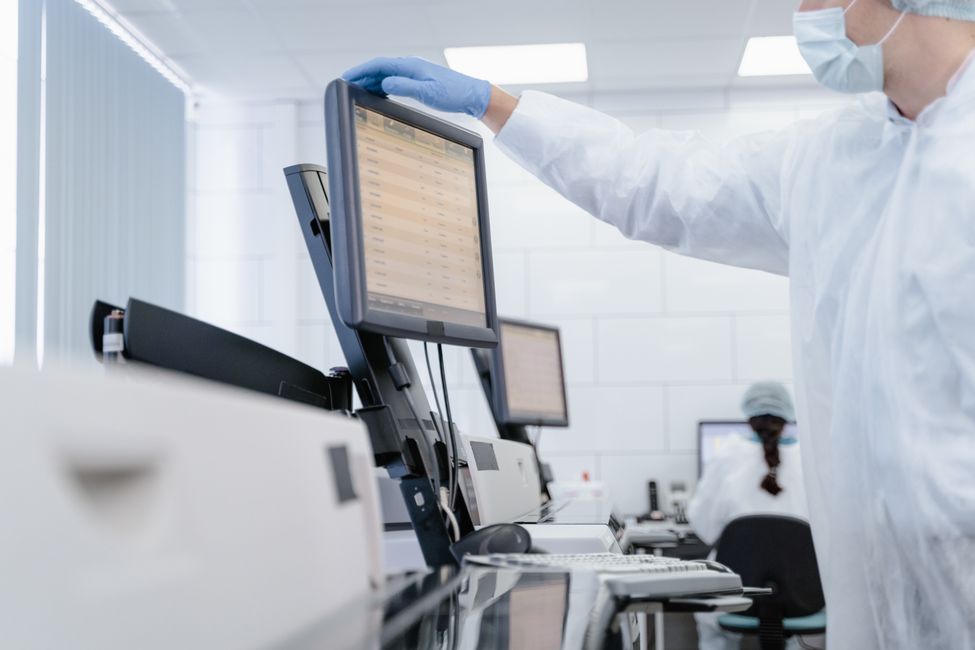
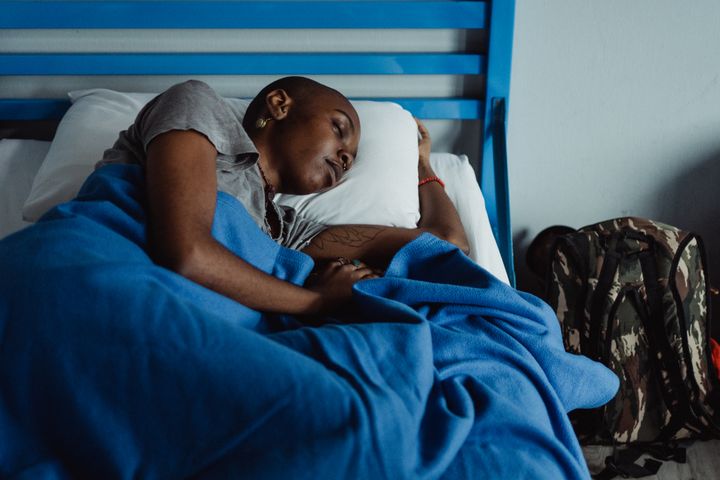
Photo: Tima Miroshnichenko · Pexels
Why the Research Remains Unclear
Current studies on cannabis and sleep vary enormously in quality and design, which makes it difficult to pool them into reliable conclusions. The review highlights that many existing studies are small, short-term, or lack properly matched control groups for comparison. Some depend on participants reporting their own sleep quality rather than using objective measurements, which can introduce bias.
Cannabis products themselves add another layer of complexity. They vary widely in their chemical composition, and different formulations might have different effects. While research on prescription THC for PTSD nightmares has shown promise for specific sleep disturbances, those findings don't necessarily translate to treating general insomnia.
The contrast with another study reporting promise for chronic insomnia shows how much results can depend on study design, the specific populations examined, and what exactly is being measured.
What This Means for Anyone Considering Cannabis for Sleep
Sleep problems affect millions of people, and how we sleep connects to fundamental aspects of health and ageing. That makes understanding treatment options important. But when the evidence base is weak, people deserve to know that, so they can make informed decisions rather than relying on marketing claims or anecdotal reports.
The review arrives at a time when cannabis products for sleep have proliferated in regions where they're legally available. Consumer interest has moved faster than scientific certainty. For anyone weighing whether to try medical cannabis for insomnia, this review suggests the evidence isn't yet strong enough to confidently predict whether it will help.

Photo: Kindel Media · Pexels
Cannabis use also carries considerations of its own. Research has linked cannabis use with certain risks that need to be weighed alongside any potential benefits, particularly when the evidence for those benefits remains unclear.
The Path Forward
What researchers are calling for is better studies, designed rigorously enough to give clear answers about what works, for whom, and in what forms. Sleep difficulties have many causes, from stress and medical conditions to lifestyle factors. A treatment that helps one person may do nothing for another, which makes well-designed research essential.
The findings also speak to a broader question about how we evaluate treatments for complex conditions. Insomnia is subjective, influenced by dozens of factors, and what constitutes improvement can vary from person to person. That complexity makes good research design harder, but also more necessary.
For now, the message is one of scientific humility. We need stronger evidence before confidently recommending medical cannabis as an insomnia treatment. Until that evidence arrives, decisions remain more nuanced than simple yes-or-no answers, best made in conversation with healthcare providers who understand individual circumstances.
This matters because good information helps us make choices that truly serve our wellbeing. When the research isn't clear yet, knowing that is valuable in itself.
Listen next
 I AwakenRepairing the Inner Foundation: Jasper Calcara on Building a Life Strong Enough to Hold You24 min
 Healthy Mind Healthy LifeStrong Enough to Carry It, Healed Enough to Put It Down: Dr. Robert Bleck on Source Completion Therapy37 min
 BizBlendFrom Wall Street to a Mission That Doesn't Let You Sleep: Building Purpose-Driven AI with Scott Boruff28 min
Based on reporting from sciencedaily.com.

For the PodHub Journal. Stories and research on the mind, from the team behind the network's podcasts.
Comments
Loading comments…