Sleep Duration Linked to How Fast Our Bodies Age
New research suggests sleeping too little or too much may speed up biological aging across multiple systems in the body.
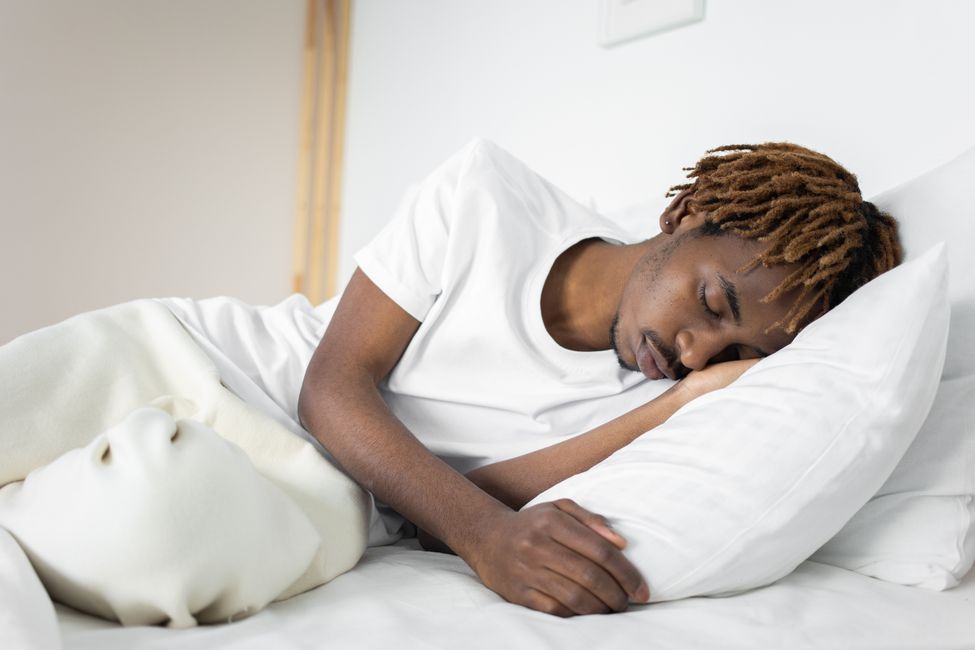
We all know sleep matters. But new research is offering a clearer picture of just how much it shapes our health at a cellular level. A study analysing biological aging clocks has found that both too little and too much sleep may be connected to faster aging throughout the body.
The findings come from researchers who examined 23 different biological aging clocks, tools that measure how quickly our bodies are aging at a molecular level. According to their analysis, people who sleep between about 6.4 and 7.8 hours per night showed the lowest levels of biological aging. Those sleeping significantly less or more than this range appeared to age faster.
What the Research Reveals
The study didn't just look at one marker of aging. By examining 23 biological clocks, the researchers were able to get a broad view of how sleep duration relates to aging across different systems in the body. These clocks measure changes in our cells and molecules that reflect biological age, which can differ from our chronological age.
What emerged was a pattern: sleep duration outside that moderate range was associated with a range of health conditions. Short or long sleep was linked to problems affecting the brain, heart, lungs, metabolism, and digestive system. In other words, the effects of sleep seem to ripple through nearly every major system in our bodies.

*Photo: Katerina Holmes · Pexels*
This doesn't mean that sleeping too little or too much directly causes these conditions. The relationship between sleep and health is complex, and it's often difficult to untangle cause and effect. Someone might sleep poorly because of an underlying health issue, or poor sleep might contribute to health problems over time. Most likely, it's a mix of both.
The Sweet Spot for Sleep
The finding that roughly 6.4 to 7.8 hours appears optimal aligns with what many sleep experts have long suggested. This range is close to the seven to nine hours often recommended for adults, though it's slightly narrower and on the lower end of that spectrum.
It's worth noting that individual sleep needs can vary. Some people genuinely feel and function best with slightly less or more sleep than the average. What matters most is how you feel: whether you wake rested, maintain energy through the day, and feel mentally clear.
But the research does suggest that chronic patterns of very short sleep, say five hours or less, or very long sleep, perhaps ten hours or more, may be worth paying attention to. These patterns could signal something worth exploring, whether that's stress, an undiagnosed sleep disorder, depression, or another health concern.

*Photo: Lukas Rychvalsky · Pexels*
Why Sleep Affects Aging
Sleep is when our bodies do essential maintenance work. During sleep, the brain clears out waste products, memories are consolidated, tissues repair themselves, and hormones that regulate everything from appetite to stress are balanced. When we consistently cut sleep short or oversleep regularly, these processes can be disrupted.
Over time, those disruptions may show up as accelerated aging at the cellular level. Inflammation might increase, cells may not repair themselves as efficiently, and the body's ability to regulate blood sugar, blood pressure, and other vital functions can be impaired.
The connection to multiple body systems makes sense when you consider how interconnected everything is. Poor sleep affects stress hormones, which affect the heart. It affects metabolism, which affects weight and inflammation. It affects the brain's ability to regulate mood and cognition. None of these systems operates in isolation.
What This Means for Your Wellbeing
This research matters because sleep is one of the most modifiable aspects of our health. Unlike genetics or age, sleep is something we have some control over, even if it doesn't always feel that way.
If you're consistently sleeping far outside that 6.4 to 7.8 hour range, it might be worth gently examining why. Are you sacrificing sleep for work or scrolling? Are you struggling to fall asleep or stay asleep? Are you sleeping much longer than you used to, which could signal low mood or another issue?
Small changes can make a difference. A regular bedtime, a darker bedroom, less screen time before bed, or simply prioritising sleep as much as we prioritise other health behaviours can all help. And if sleep problems persist, talking to a healthcare provider can rule out issues like sleep apnea or other disorders that interfere with rest.
The message isn't to obsess over hitting a perfect number every night. It's more about recognising that sleep is deeply connected to how our bodies age and function. Treating it as essential, not optional, is one of the kindest things we can do for our long-term health.
Based on reporting from sciencedaily.com.



Comments
Loading comments…