Movement as medicine: exercise brings unexpected hope for those living with Parkinson's
Seven years of research reveals that staying physically active may protect both mind and mobility as Parkinson's disease progresses.
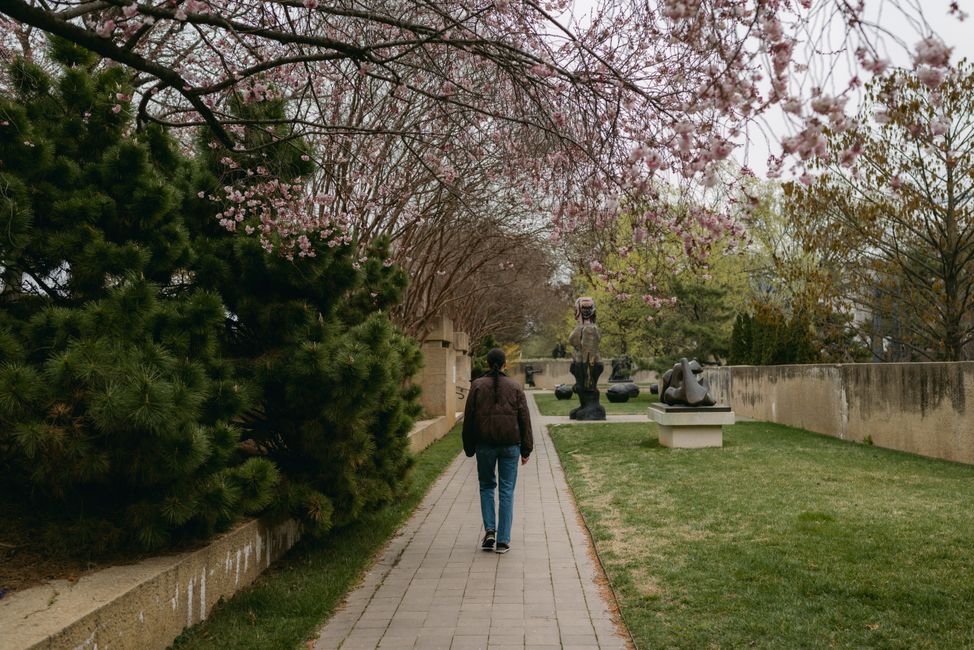
For anyone living with Parkinson's disease, the path forward can feel uncertain. The condition is known for its effects on movement, but it also touches memory and thinking in ways that feel harder to predict or control. Now, a long-term study offers something rare and meaningful: evidence that one of the simplest interventions we have may offer double protection.
Researchers followed people with Parkinson's for seven years and found that those who stayed more physically active experienced slower declines in both their cognitive abilities and their physical movement. The effect was striking enough that people exercising more than eight hours each week showed almost no average decline in their thinking and memory over that period.
The findings, reported by ScienceDaily, add weight to what many clinicians have suspected but lacked long-term data to prove: that movement may be one of the most powerful tools available for managing Parkinson's, not just for the body but for the brain.
A different kind of intervention
Parkinson's disease affects roughly one million people in the United States alone, with symptoms that typically include tremor, stiffness, and difficulty with balance and coordination. But beyond these visible signs, many people also face changes in cognition. Memory can become less reliable. Thinking slows. Planning everyday tasks becomes harder.
Until now, most treatments have focused on managing symptoms rather than changing the course of the disease. Medications can help with movement, but their effects are limited and they come with side effects. The idea that something as accessible as exercise could meaningfully slow both physical and mental decline feels almost too simple. Yet that is what this seven-year study suggests.

*Photo: Pavel Danilyuk · Pexels*
The research did not specify what kinds of exercise participants engaged in, only that those who moved more experienced better outcomes. The threshold of eight hours per week may sound like a lot, but it works out to just over an hour each day. That could mean walking, swimming, gardening, dancing, or any activity that gets the body moving. The point is not intensity or perfection. The point is consistency.
Why exercise might protect the brain
Scientists have several theories about why physical activity might slow cognitive decline in Parkinson's. One is that exercise increases blood flow to the brain, delivering more oxygen and nutrients to cells that need support. Another is that movement stimulates the release of protective proteins that help neurons survive and form new connections.
There is also evidence that exercise reduces inflammation throughout the body, including in the brain. Chronic inflammation is thought to play a role in many neurodegenerative diseases, so anything that quiets that response may help preserve function longer.
But there may be something else at work too, something harder to measure in a lab. Staying active means staying engaged with the world. It means setting small goals, moving through space, solving problems with your body. It means not withdrawing. And for people facing a progressive illness, that sense of agency and participation can be as important as any biological mechanism.

*Photo: Tobi · Pexels*
What this means for daily life
For someone newly diagnosed with Parkinson's, or for a family member supporting them, this research offers a clear and actionable message: movement matters. Not as a cure, but as a way to hold ground. Not as a guarantee, but as a practice worth committing to.
The study did not suggest that exercise reverses Parkinson's or eliminates its symptoms. What it showed is that people who moved more seemed to retain more of their cognitive and physical abilities over time. That difference, measured across seven years, is significant. It represents more time with clarity. More time with independence. More mornings that feel a little easier.
Of course, staying active with Parkinson's is not always straightforward. The disease itself makes movement harder. Fatigue, balance issues, and motivation can all become obstacles. But the evidence suggests that even modest amounts of activity, done regularly, may offer protection. And perhaps just as importantly, it offers something to do. A way to participate in one's own care.
Why it matters
This research matters because it shifts the conversation around Parkinson's from passive management to active engagement. It reminds us that the body and mind are not separate systems but deeply interconnected, and that caring for one often means caring for the other.
For those of us who create content about health and wellbeing, it is a reminder that simple practices, sustained over time, can have profound effects. We do not always need complex interventions or expensive treatments. Sometimes the most powerful medicine is the thing we can do ourselves, every day, with our own two feet.
Based on reporting from sciencedaily.com.

Comments
Loading comments…