Large study links cannabis use with higher rates of violence
A review of hundreds of thousands of people finds a significant association, though researchers caution it doesn't prove cause.
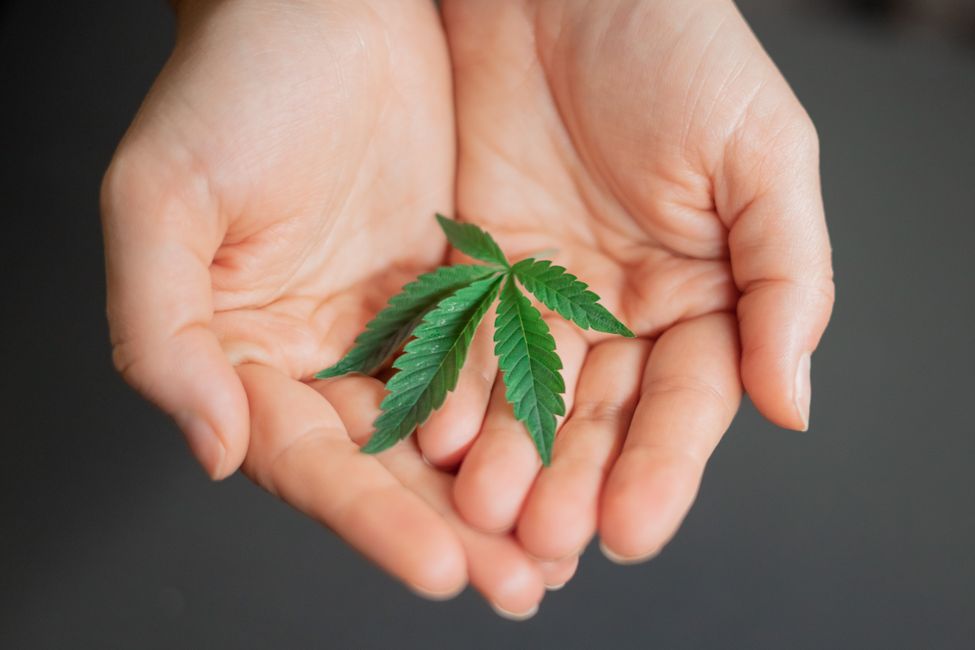
A major review examining data from more than 265,000 people has found that those who use cannabis were twice as likely to commit acts of violence compared to non-users. The same study also found that cannabis users faced elevated risks of becoming victims of violence themselves.
The findings, while striking in their scale, come with an important caveat from the researchers: the association is significant, but it doesn't necessarily mean cannabis itself is the direct cause of violent behaviour. Correlation and causation remain two different things, and this distinction matters when we're trying to understand what's actually happening.
What the numbers show
The review pulled together findings from a substantial body of research, giving scientists a much broader view than any single study could provide. Across that quarter of a million people, the pattern was consistent: cannabis use appeared alongside higher rates of violence, both as perpetrator and victim.
This kind of large-scale review is valuable because it can reveal patterns that might be missed in smaller studies. When you're looking at hundreds of thousands of lives, statistical noise tends to fade and genuine associations become clearer. But that same scale also reminds us how many factors are at play in any one person's life.

*Photo: RDNE Stock project · Pexels*
The cause question remains open
The researchers themselves emphasise that finding a link is not the same as identifying a cause. There are several possible explanations for why cannabis use and violence might appear together in the data.
It could be that cannabis affects brain chemistry or decision-making in ways that increase the likelihood of violent behaviour. But it's equally possible that people dealing with certain life circumstances, trauma histories, or mental health challenges might be both more likely to use cannabis and more likely to encounter violence. The drug use and the violence might both be symptoms of deeper, shared root causes.
There's also the context in which cannabis is obtained and used. In places where it remains illegal, the act of purchasing it can bring people into contact with criminal networks or dangerous situations. Socioeconomic factors, community violence, and lack of access to mental health support might all play confounding roles.
This is why researchers are careful not to jump to conclusions. The human brain and human behaviour are complicated, and rarely does a single substance tell the whole story.
What this means for understanding and support
Studies like this one matter because they help us see patterns we might otherwise miss. They can inform public health approaches and help identify people who might benefit from additional support. If someone is both using cannabis regularly and experiencing or perpetrating violence, that's a signal that something in their life needs attention.

*Photo: Mak Photography · Pexels*
It doesn't mean cannabis is inherently dangerous, nor does it mean everyone who uses it is at risk of violence. Most people who use cannabis will never commit a violent act. But it does suggest that for some people, in some contexts, there may be overlapping vulnerabilities that deserve compassionate, evidence-based response.
The findings also highlight the importance of looking at substance use within the fuller picture of someone's life. Isolation, unresolved trauma, untreated mental health conditions, poverty, and lack of community connection can all contribute to both substance use and violence. Addressing those underlying issues, rather than focusing solely on the substance itself, is often where the most meaningful change happens.
This research doesn't give us easy answers, but it does give us better questions to ask. It reminds us that behaviour is rarely about one thing, and that understanding requires nuance, patience, and a willingness to look beyond the surface.
For anyone working in mental health, podcasting about wellbeing, or simply trying to understand the forces shaping our communities, this study is a reminder that people are complex. Our responses need to be equally thoughtful. If you or someone you know is struggling with substance use or experiencing violence, reaching out for support is a sign of strength, not weakness.
Based on reporting from sciencedaily.com.



Comments
Loading comments…