New brain mapping treatment shows promise for PTSD recovery
A treatment using personalised brain scans and magnetic stimulation has helped more than two thirds of trial participants reach remission.
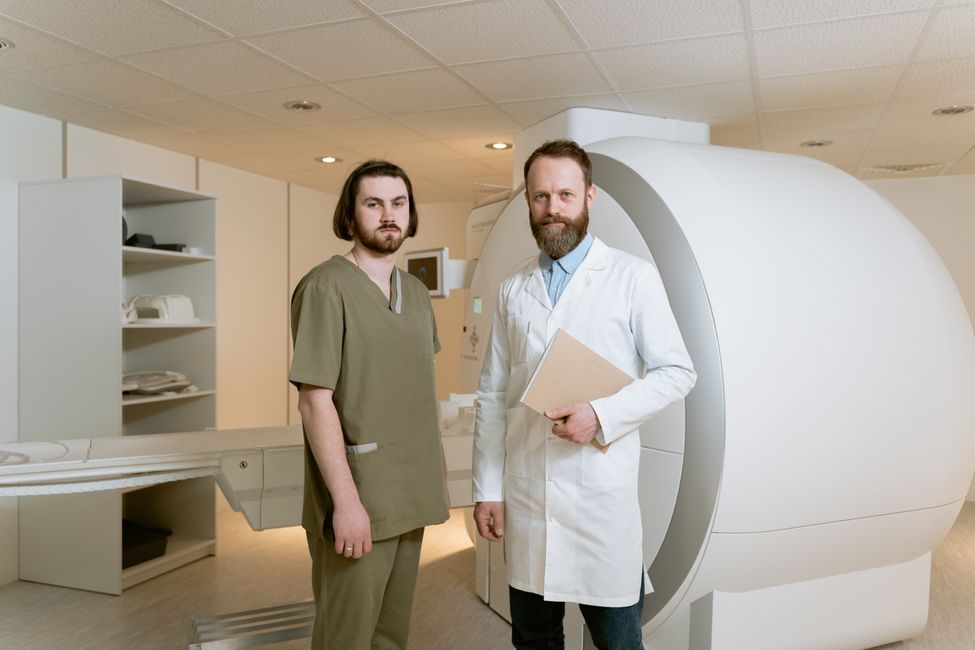
A recently cleared treatment for post-traumatic stress disorder is offering new hope through a technology that maps individual brain patterns and uses targeted magnetic pulses to address abnormal activity. In clinical trials, the approach led to a 68% remission rate among participants, a result researchers say could reshape how we support people living with PTSD.
The treatment works by first creating a personalised map of each person's brain activity, identifying specific areas where PTSD has altered normal function. Magnetic stimulation is then applied to those precise locations, aiming to reset the patterns that contribute to symptoms. The trial reported an average symptom reduction of 52%, with more than two thirds of participants achieving remission.
A different approach to healing
What sets this method apart is its focus on the physical imprint trauma leaves on the brain. Rather than relying solely on talk therapy or medication, the treatment acknowledges that PTSD changes how certain brain regions communicate and function. For some people, those changes make it difficult to process memories, regulate emotions or feel safe in everyday situations.
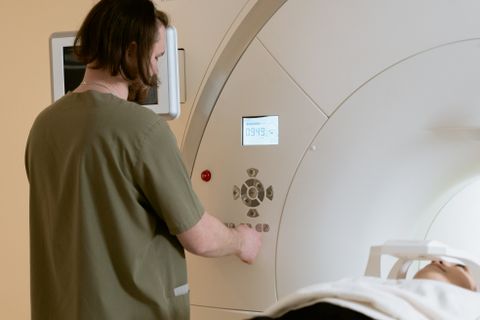
The technology uses non-invasive magnetic stimulation, meaning no surgery or sedation is required. Sessions are conducted while someone is awake, and the treatment is tailored based on their unique brain imaging results. This personalisation may explain why the outcomes have been stronger than with some other approaches where every person receives the same protocol regardless of how their brain has been affected.

*Photo: Mikhail Nilov · Pexels*
The trial results suggest that for many participants, the changes were substantial enough to move them into remission. That doesn't necessarily mean every symptom disappeared overnight, but it indicates a level of improvement where PTSD no longer dominated their daily lives in the same way.
Beyond PTSD
Researchers involved in the work believe the underlying principle, using brain maps to guide precise treatment, could extend to other mental health conditions. Depression, anxiety disorders and obsessive-compulsive disorder all involve distinct patterns of brain activity. If personalised mapping and stimulation prove effective across these areas, it could mark a shift toward treatments designed around how each person's brain works rather than applying broad approaches and hoping they fit.
That possibility is still theoretical. The current trial focused specifically on PTSD, and translating the method to other conditions will require its own research and evidence. But the remission rate achieved here has encouraged those studying the technology to explore what else might be possible.
For now, the FDA clearance means the treatment can begin reaching people outside of clinical trials, though availability will likely grow gradually as more centres adopt the technology and train staff to deliver it.
What this could mean
PTSD affects millions of people, many of whom have tried multiple therapies without finding meaningful relief. Some have spent years in treatment, learning coping skills and processing trauma, but still struggle with intrusive memories, hypervigilance or emotional numbness. Others have found medication helpful but incomplete, or have experienced side effects that made it hard to continue.
This treatment adds another option, particularly for those who haven't responded well to existing approaches. It doesn't replace therapy or other supports, but it may offer a biological intervention that complements the psychological work many people are already doing.

*Photo: Tara Winstead · Pexels*
There are still questions to answer. Long-term data will show whether remission holds over months and years, or whether some people need additional sessions over time. Cost and accessibility will determine who can actually benefit, and whether insurance systems will support it. And as with any intervention, some people will respond better than others, for reasons we don't yet fully understand.
But the trial results represent something meaningful. For a condition as complex and varied as PTSD, a 68% remission rate suggests the approach is tapping into something fundamental about how trauma affects the brain and how healing might unfold when treatment is this precisely targeted.
For those working in mental health podcasting or creating content around wellbeing, this development sits at the intersection of neuroscience and lived experience. It's a reminder that mental health conditions are not abstractions but patterns in the brain that can, in some cases, be measured and addressed with the right tools. It also underscores how much room there still is for innovation, for methods that meet people where existing treatments have fallen short.
The technology points toward a future where care becomes more individualised, where we stop asking people to fit into standard protocols and start designing interventions around their specific needs. That shift, if it continues, could change not just outcomes but the entire experience of seeking help.
If you or someone you know is living with PTSD, support is available through mental health services and trauma-informed care providers.
Based on reporting from sciencedaily.com.


Comments
Loading comments…