
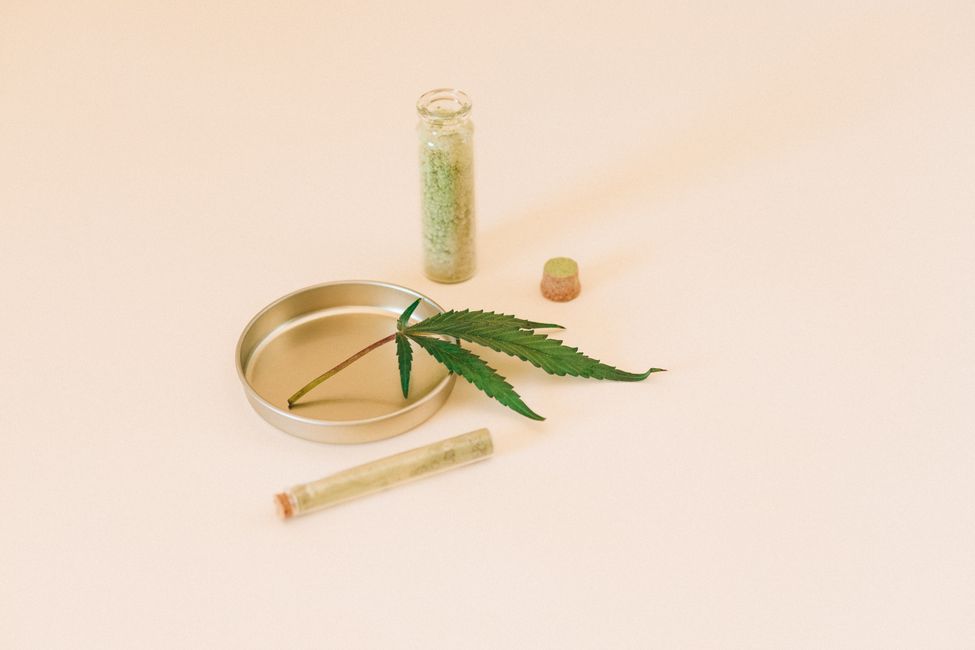
Millions of people around the world turn to cannabis hoping it will ease their anxiety, lift their depression, or quiet the symptoms of PTSD. But the largest review of medicinal cannabis research to date has delivered a sobering message: there is no solid evidence it actually helps with those conditions, and it might do more harm than good.
The findings challenge a widespread belief that has driven both medical cannabis prescriptions and self-medication in recent years. As cannabis laws have relaxed across many countries, its use for mental health reasons has surged. This comprehensive review suggests that belief may be built on hope rather than science.
What the Research Found
The review pulled together existing studies on medicinal cannabis and mental health, making it the most extensive analysis of its kind. Researchers specifically looked at whether cannabis products could effectively treat anxiety disorders, depression, and post-traumatic stress disorder, three of the most common reasons people seek out cannabis as medicine.
The conclusion was clear: the evidence simply is not there. Despite the popularity of cannabis for these purposes, rigorous research has not shown it to be an effective treatment. Even more concerning, the researchers warned that using cannabis for mental health conditions could actually worsen outcomes for some people.
*Photo: Mikhail Nilov · Pexels*
The risks are not trivial. Cannabis use has been linked to increased chances of developing psychosis, particularly in people who are already vulnerable. There is also the potential for addiction, which can sneak up on people who believe they are using a natural remedy. Perhaps most troubling, relying on cannabis might delay someone from seeking treatments that have been proven to work, like therapy or medication with strong evidence behind it.
The review did find limited signs that cannabis might help with a few other conditions, including insomnia and certain symptoms in people with autism. But even in those cases, the evidence was described as weak. The picture that emerges is one of a treatment that has raced ahead of the science, driven by cultural shifts and commercial interests rather than careful research.
Why This Matters Now
The timing of this review is significant. Cannabis use continues to climb, especially among younger adults, and the market for cannabis products marketed for mental wellness has exploded. Walk into many dispensaries or browse online, and you will find products explicitly positioned as remedies for stress, anxiety, and low mood.
The gap between what is being sold and what science supports has grown wide. Many people using cannabis for mental health are doing so based on anecdotal reports, social media trends, or advice from friends rather than medical evidence. Some may not even realise they are taking a risk.
The researchers behind this review are now calling for stricter oversight. As it stands, cannabis products vary wildly in potency and composition, and many users have little guidance about what they are actually taking or what the risks might be. Better regulation could mean clearer labelling, more honest marketing, and requirements that products meet certain safety standards.
*Photo: Artem Podrez · Pexels*
The Human Side of the Story
None of this is to dismiss the experiences of people who feel cannabis has helped them. Personal experience is real and valid. But individual stories, however powerful, do not replace the kind of rigorous testing that helps us understand whether something works broadly and safely.
The challenge is that mental health struggles are deeply personal and often desperate. When standard treatments do not work quickly enough or come with their own side effects, people naturally search for alternatives. Cannabis can feel like a gentler, more natural option. The problem is that natural does not automatically mean safe or effective.
What this research really highlights is how much we still do not know. Mental health treatment is complex, and what works for one person may not work for another. But making informed choices requires accurate information, and right now, many people using cannabis for mental health are doing so without it.
For podcasters and creators in the mental wellness space, this research is a reminder to tread carefully when discussing treatments. Sharing what the science actually says, rather than what we hope or believe, serves audiences better in the long run. It also underscores the importance of encouraging people to talk with healthcare providers who can help them weigh real evidence against real risks.
The bottom line is this: if you are struggling with anxiety, depression, or PTSD, cannabis is not a proven solution, and it might carry risks worth considering. Proven treatments do exist, even if finding the right one takes time.
Based on reporting from sciencedaily.com.

Comments
Loading comments…