

For people living with post-traumatic stress disorder, nightmares can be one of the hardest symptoms to shake. They arrive uninvited, pulling someone back into moments they've worked hard to move beyond. Sleep becomes something to dread rather than a refuge. Now, new research suggests that a prescription form of THC may offer relief where other treatments have fallen short.
The study found that more than one-third of PTSD patients who took medical THC reported their trauma-related nightmares disappeared entirely after ten weeks. It's a finding that could mark a meaningful shift in how we approach one of PTSD's most persistent and distressing symptoms.
A stubborn symptom that resists treatment
Nightmares related to trauma are different from ordinary bad dreams. They often replay real events or variations of them, and they can be so vivid and disturbing that people wake in a state of panic. Over time, the fear of these nightmares can lead to chronic sleep avoidance, which deepens exhaustion and makes other PTSD symptoms harder to manage.
Current treatments for PTSD nightmares include therapy approaches and certain medications, but many people continue to struggle despite trying multiple options. The nightmares can persist for years, even when other aspects of PTSD begin to improve. This has left both patients and clinicians searching for alternatives that might work when standard approaches don't.
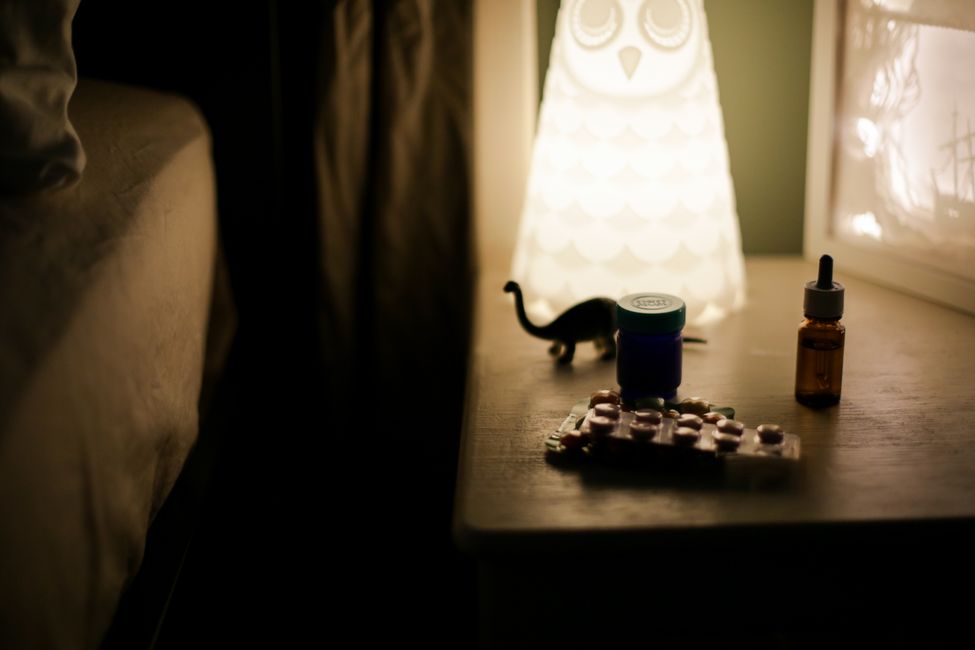
*Photo: cottonbro studio · Pexels*
What the research showed
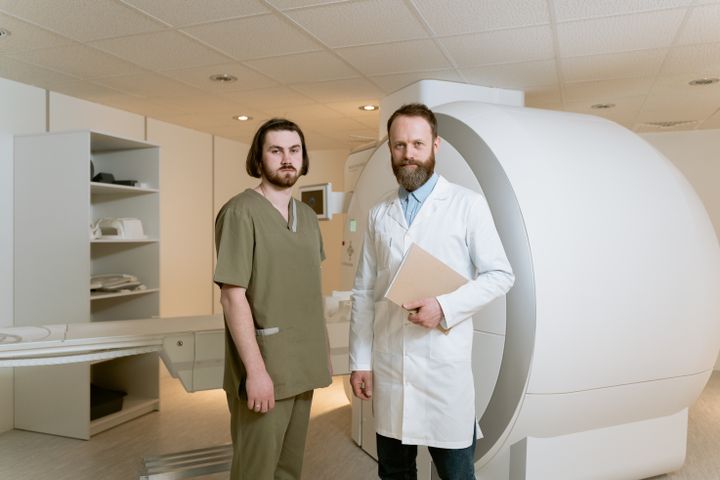
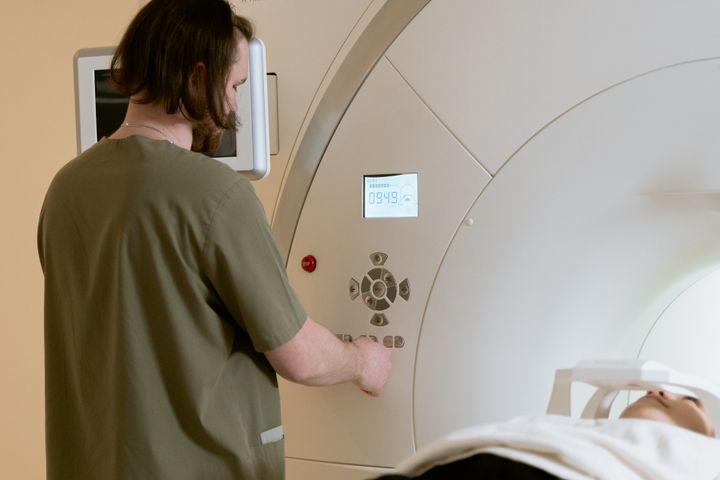
The study focused on a prescription formulation of THC, the primary psychoactive compound in cannabis. This isn't the same as recreational cannabis use. Medical THC is carefully dosed and monitored, with patients receiving consistent amounts under clinical supervision.
After ten weeks of treatment, researchers found that more than a third of participants reported complete disappearance of their recurring nightmares. This is a significant outcome for a symptom that often proves resistant to other interventions. The results suggest that THC may work on the underlying mechanisms that drive these nightmares, though more research will be needed to understand exactly how.
The findings are particularly important because they focus on a single, specific symptom rather than PTSD as a whole. Nightmares can be so disruptive that addressing them alone can improve someone's quality of life, even if other symptoms remain.
Why this matters now
PTSD affects millions of people worldwide, including military veterans, survivors of violence, first responders, and anyone who has experienced severe trauma. The condition touches every part of life, but sleep disturbances and nightmares often rank among the most debilitating symptoms. When sleep is constantly interrupted by distressing dreams, it becomes nearly impossible to function well during the day.
The potential of prescription THC as a treatment option comes at a time when attitudes toward medical cannabis are shifting. More countries and regions are recognising that cannabis compounds, when used in controlled medical settings, may offer benefits for certain conditions. This research adds to a growing body of evidence that THC and related compounds deserve serious consideration as therapeutic tools.

*Photo: cottonbro studio · Pexels*
It's worth noting that this study looked at prescription THC specifically, not cannabis generally. The difference matters. Medical formulations are standardised, meaning patients receive reliable doses that can be adjusted based on response. This kind of precision isn't possible with cannabis products outside medical supervision.
What comes next
While these results are encouraging, they represent one study and one step in a longer process. Researchers will need to replicate the findings, explore optimal dosing, understand who responds best to this treatment, and monitor for any longer-term effects. As with any medication, THC carries potential side effects and isn't suitable for everyone.
Still, for people who have tried everything else and continue to wake night after night to traumatic memories, this research offers something valuable: hope that relief might be possible.
The study doesn't promise a cure, and it won't work for everyone. But for more than a third of participants, ten weeks brought an end to nightmares that may have haunted them for years. That's the kind of outcome that changes lives.
For those of us creating content about mental health and wellbeing, this research reminds us why rigorous science matters. It also highlights the importance of staying open to new approaches, even when they challenge conventional thinking. Sometimes the treatments that help most are the ones we're only beginning to understand.
If you're struggling with PTSD or trauma-related nightmares, speaking with a mental health professional can help you explore what options might work for you.
Based on reporting from sciencedaily.com.

Comments
Loading comments…