
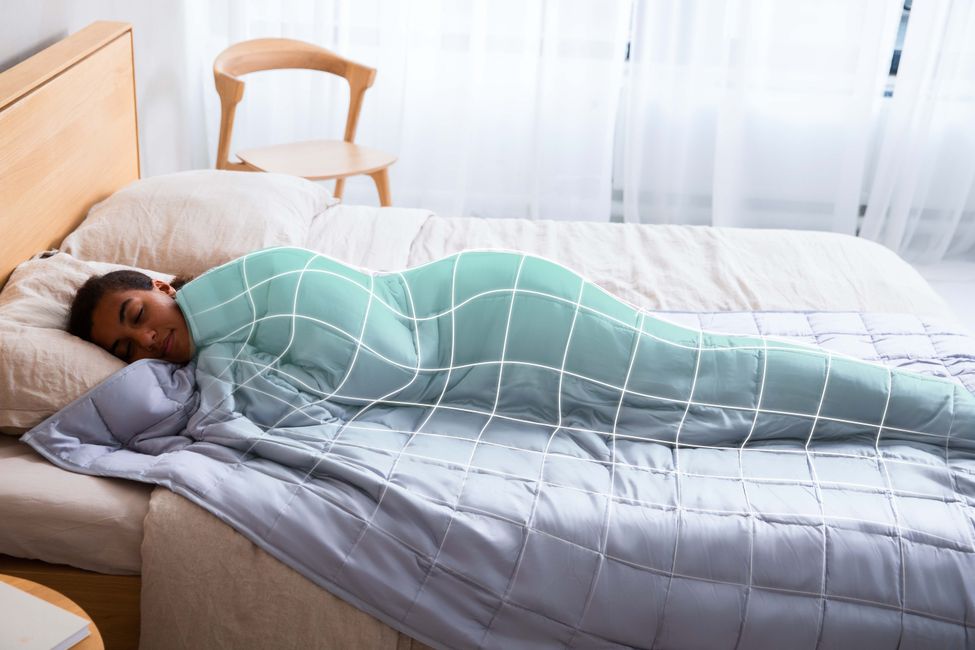
For people who have struggled with insomnia for years, the search for relief can feel endless. Many try prescription sleep medications, therapy, lifestyle changes, and still find themselves staring at the ceiling night after night. Now, a long-term study offers some hope for those who have not found answers elsewhere.
Researchers followed insomnia patients who were prescribed cannabis-based medical products and tracked their progress over 18 months. The findings showed sustained improvements not just in sleep quality, but also in mood and pain levels. Most participants reported sleeping better, and many said they felt less anxious or depressed as their sleep improved.
When conventional treatments fall short
The study focused on people for whom other treatments had already failed. This is an important detail. These were not first-time insomnia sufferers trying cannabis as a quick fix, but individuals who had exhausted more conventional options and were still struggling with chronic sleeplessness.
Sleep problems rarely exist in isolation. Poor sleep feeds anxiety and low mood, which in turn make it harder to sleep. Pain can keep people awake, and lack of rest makes pain harder to bear. The study found that cannabis-based treatments appeared to help with this tangle of symptoms, offering relief across multiple fronts at once.
*Photo: Alesia Kozik · Pexels*
What stands out is the timeframe. Eighteen months is a meaningful period, long enough to see whether benefits hold or fade, and whether side effects become a problem over time. Many sleep interventions work for a while and then lose their effectiveness. The fact that participants continued to report improvements suggests these were not just short-term placebo effects.
Side effects were mild and infrequent
One of the concerns with any treatment, especially for something as delicate as sleep, is what else it might do to your body and mind. In this study, only a small fraction of participants reported side effects, and those that did occur were generally mild. The most common were fatigue and dry mouth, manageable issues that did not lead most people to stop their treatment.
This is reassuring, though it does not mean cannabis-based products are without risk or right for everyone. The study looked at medical products prescribed and monitored by healthcare providers, not recreational use or self-medication. Context matters.
It is also worth noting that the research did not claim cannabis is a cure-all or the only answer. What it does suggest is that for a specific group of people, those with chronic insomnia who have not responded to other approaches, cannabis-based treatments may offer a viable path forward.

*Photo: Ramon Karolan · Pexels*
A broader conversation about sleep and wellbeing
Sleep is foundational. When it goes wrong, everything else can start to unravel. Work suffers, relationships strain, health declines. Yet sleep problems are often treated as secondary concerns, something to manage around the edges rather than address head-on.
This study adds to a growing body of evidence that we need more options, especially for people living with chronic conditions. Not everyone responds to the same treatments, and what works for one person may do nothing for another. Having a range of tools, including emerging options like cannabis-based medical products, means more people might find what actually helps them rest.
There is also something here about listening to patients. Many people have reported anecdotally that cannabis helps them sleep, but anecdotal reports are often dismissed without rigorous study. Research like this takes those experiences seriously and tests them over time with careful observation. That matters.
The study does not suggest anyone should rush out and self-prescribe. Medical cannabis is regulated differently depending on where you live, and what works in a supervised clinical setting may not translate safely to unsupervised use. But it does open a door for conversations between patients and healthcare providers about what might be possible when conventional routes have not worked.
For podcasters and creators in the mental wellness space, this research is a reminder that solutions are not one-size-fits-all. Sleep struggles are deeply personal, shaped by biology, environment, trauma, and habit. The more we understand about different pathways to rest, the better we can support people in finding what works for them.
If sleep has been a long struggle, this study is a gentle nudge that new answers are still being found. Relief may take time, and it may look different than expected, but it is worth continuing the search.
Based on reporting from sciencedaily.com.

Comments
Loading comments…