


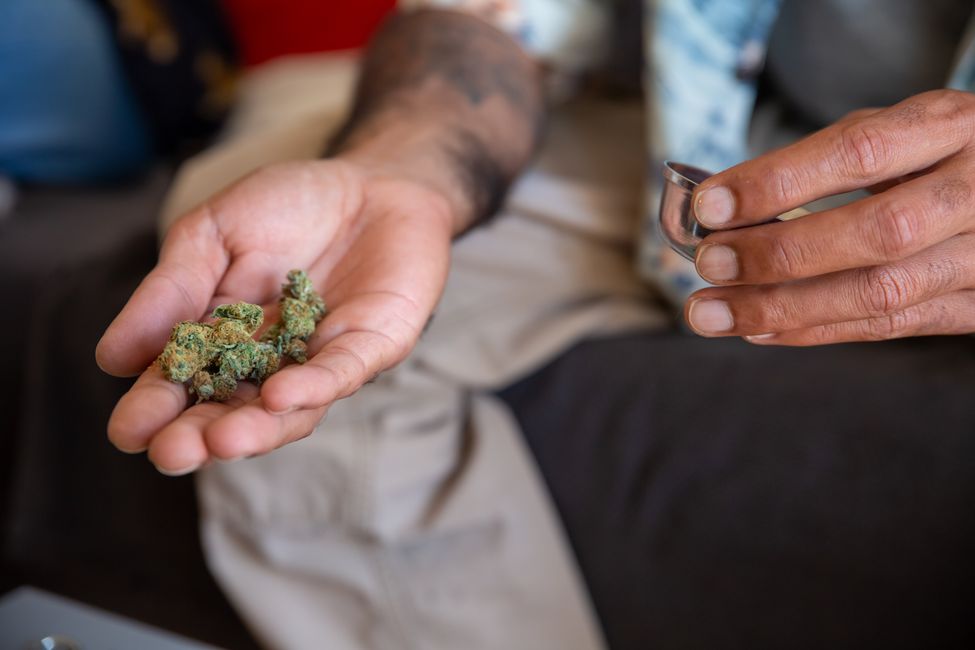

Cannabis users develop psychosis an average of two and a half years earlier than people who don't use the drug, according to a major analysis of research spanning decades. The gap grows much wider with age, reaching more than six years among adults over 30. The findings challenge a common belief that cannabis use carries fewer psychiatric risks once adolescence has passed.
Researchers examined 149 studies to understand how cannabis affects the timing of psychotic episodes. The results suggest that cannabis-related mental health risks may build over time rather than fade, raising questions about long-term patterns of use across different life stages.
The age gap keeps growing
The two-and-a-half-year difference in average age of first psychosis episode represents a significant shift in when someone's mental health first becomes fragile enough to break. For people in their teens and twenties, the difference was noticeable but relatively modest. Among adults 30 and older, however, the gap stretched beyond six years.
This widening pattern suggests that cannabis use may not be simply triggering psychosis in people who would have developed it anyway. Instead, the data points toward an accumulating effect, where years of use compound the risk or bring forward episodes that might otherwise have occurred much later or not at all.
Photo: Moe Magners · Pexels
The findings add to growing evidence that cannabis use in adolescence carries mental health risks, but they also extend the concern well into adulthood. Many people assume that once the brain finishes developing in the mid-twenties, cannabis becomes relatively safe to use. This research suggests that assumption may be misplaced.
What this means for understanding risk
Psychosis involves a break from reality, where someone may hear voices, see things that aren't there, or develop beliefs that don't match what others observe. It can appear as part of schizophrenia or emerge on its own. The age at which psychosis first appears often shapes the course of someone's life, affecting relationships, education, work and independence.
Earlier onset typically means more disruption during formative years and often a more challenging long-term outlook. If cannabis is consistently pushing that age forward, the impact extends beyond individual episodes to life trajectory.
A major review has questioned whether cannabis helps mental health conditions, and this new analysis reinforces caution. The researchers emphasise that the psychiatric risks may accumulate with ongoing use, rather than remaining static or decreasing after youth.
Rethinking safety across the lifespan
The conventional wisdom has been that cannabis poses the greatest risk to developing brains, particularly during the teenage years when neural pathways are still forming. While that remains true, this analysis shows that risk doesn't simply vanish once someone reaches their thirties or forties.
For older adults who may be turning to cannabis, perhaps for pain management or other health reasons, the idea that it's a benign choice needs reconsideration. The data doesn't tell us exactly how risk works in later decades, but the persistent age gap suggests vigilance matters at every stage.
There's also limited reliable evidence that cannabis improves sleep, one of the common reasons people use it. When weighed against the psychiatric risks revealed in this analysis, the case for routine use becomes harder to make.
Why podcasters and listeners should pay attention
For those creating content about mental health, substance use or wellbeing, this research offers an important corrective to narratives that treat cannabis as essentially harmless. The science is showing a more complex and concerning picture, particularly around long-term use and the timing of serious psychiatric symptoms.
Understanding these risks doesn't mean judging anyone who uses cannabis. It means being honest about what the evidence shows and creating space for people to make informed choices with their eyes open. The analysis draws on nearly 150 studies, giving it weight that individual reports can't match.
The takeaway is straightforward: cannabis use appears to shift the age of psychosis onset significantly, and that shift grows larger over time. For anyone weighing whether to use cannabis, or thinking about their own patterns, this is information worth having. (ScienceDaily)
If these topics feel heavy or raise questions about your own mental health, reaching out to a trusted professional can help.
Based on reporting from sciencedaily.com.

For the PodHub Journal. Stories and research on the mind, from the team behind the network's podcasts.


Comments
Loading comments…