

Cannabis use among people over 65 is climbing faster than ever, but the plant many remember from decades past has changed dramatically. Stanford Medicine specialists are now sounding a careful alarm: modern marijuana is far more potent than most older adults realise, and the health risks for this age group may be seriously underestimated.
The warning comes as more states legalise cannabis and older generations increasingly turn to it for pain relief, sleep troubles, or simply curiosity. What many don't know is that today's products can contain THC levels several times higher than what was available in the 1970s or 1980s. For bodies that are older, often managing multiple health conditions and medications, that difference matters more than people think.
Five risks that deserve attention
According to the Stanford experts, there are five key areas of concern for older adults using cannabis. The first is heart health. Cannabis can affect heart rate and blood pressure, and for someone already living with cardiovascular issues, that added strain isn't trivial. The risk of heart problems may increase, particularly in the hours after use.
The second risk involves falls. Balance and coordination can be subtly affected by cannabis, and for older adults, a fall can mean a broken hip, a hospital stay, or a long recovery. Even a small increase in unsteadiness becomes significant when bones are more fragile and healing takes longer.
Memory and cognitive function are the third concern. Cannabis affects the brain, and older adults may be more vulnerable to confusion, short-term memory lapses, or slower thinking. For someone already worried about cognitive changes, or living with early signs of memory trouble, adding cannabis into the mix can blur the picture and make it harder to know what's happening.
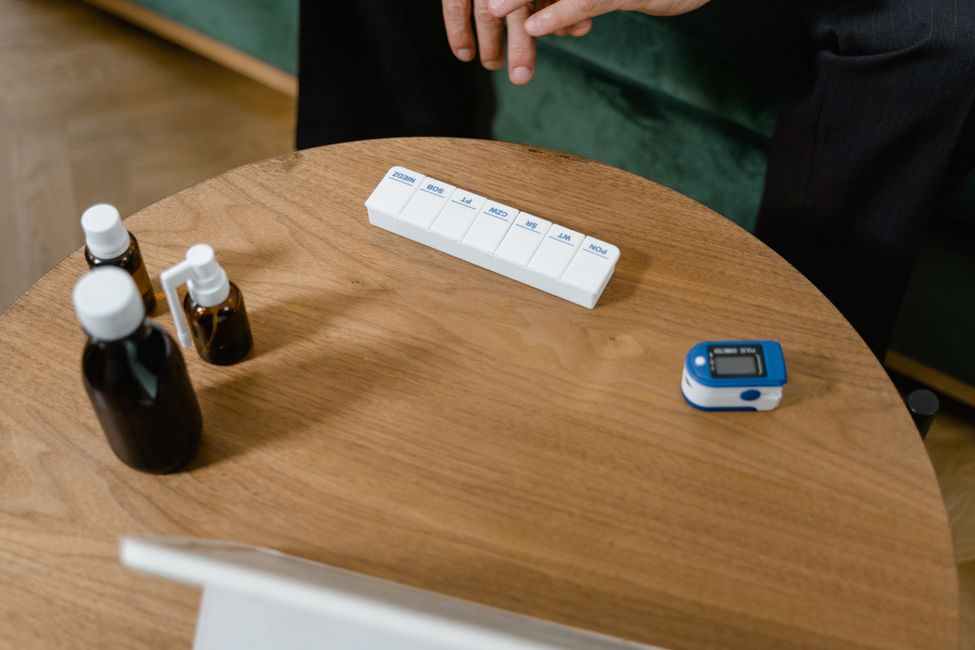
*Photo: Tima Miroshnichenko · Pexels*
Interactions and dependency
The fourth risk is one that often gets overlooked: dangerous interactions with other medications. Many older adults take multiple prescriptions, from blood thinners to blood pressure pills to sedatives. Cannabis can interfere with how these drugs work, either weakening their effect or amplifying it in ways that become unsafe. The body metabolises substances differently as we age, and combining cannabis with other medications without medical guidance can lead to unexpected complications.
The fifth concern is addiction. It's a word that can feel uncomfortable, but the Stanford specialists are clear: cannabis can be habit-forming, and older adults are not immune. Regular use can lead to dependence, and stopping can bring withdrawal symptoms including irritability, sleep problems, and anxiety. For someone using cannabis to manage stress or pain, that cycle can become hard to break.
Why this matters now
The rise in cannabis use among older adults isn't happening in a vacuum. It's part of a broader shift in how society views the drug, combined with genuine frustration over chronic pain, poor sleep, and limited options that don't come with their own side effects. Many older people see cannabis as natural, less harmful than opioids, and worth trying when other treatments have let them down.
That instinct is understandable. But the Stanford experts aren't saying cannabis should never be used by older adults. They're saying it needs to be approached with eyes open, with medical guidance, and with an honest conversation about risks. The cannabis available today is not the same substance many people remember, and bodies at 65 or 75 don't respond the same way they did at 25.
What makes this especially important is that many older adults don't mention cannabis use to their doctors, either because they don't think it matters or because they worry about judgment. That silence can be dangerous when medications are being prescribed or health changes are being assessed.

*Photo: RDNE Stock project · Pexels*
The research also highlights a gap in what we know. Most cannabis studies have focused on younger users, and there's far less data on how it affects older bodies over time. That means the true scope of risk is still being understood, and caution is warranted while that picture becomes clearer.
For anyone in this age group considering cannabis, or already using it, the message is simple: talk to a doctor. Be specific about what you're using, how often, and why. Ask about interactions with your other medications. Pay attention to how you feel, not just in the moment but in the hours and days afterward. And if you notice changes in balance, memory, mood, or heart rhythm, don't dismiss them.
This matters for podcasters and communicators because older adults are listening, searching for answers, and often making decisions based on incomplete information. Clear, grounded conversations about cannabis and ageing can help people weigh their choices more carefully, without shame or hype. It's about respecting both the real pain people are trying to manage and the real risks that come with this particular solution. Understanding both sides means better decisions, and ultimately, better wellbeing.
Based on reporting from sciencedaily.com.

Comments
Loading comments…