

A new study involving more than 463,000 adolescents has identified a concerning link between cannabis use during the teenage years and the later development of serious mental health conditions. The research suggests that young people who use cannabis may face roughly double the risk of developing psychotic and bipolar disorders compared to those who don't.
What makes this finding particularly significant is not just the size of the study, but also the timing researchers observed. Cannabis use typically came nearly two years before these mental health diagnoses appeared, which adds weight to concerns about how the substance might affect brains that are still developing.
Understanding the connection
The teenage years are a critical window for brain development. During adolescence, the brain undergoes significant changes, pruning unnecessary connections and strengthening important pathways. This remodeling process continues well into a person's twenties, which is why researchers have long been interested in understanding how substances like cannabis might interfere with this natural development.
This study joins a growing body of research examining the relationship between adolescent cannabis use and mental wellbeing. While scientists have suspected a connection for years, the scale of this research and the timeline it reveals offer new clarity. The nearly two-year gap between cannabis use and the emergence of mental health conditions provides an important clue about cause and effect, though researchers are careful to note that more work is needed to fully understand the mechanisms at play.
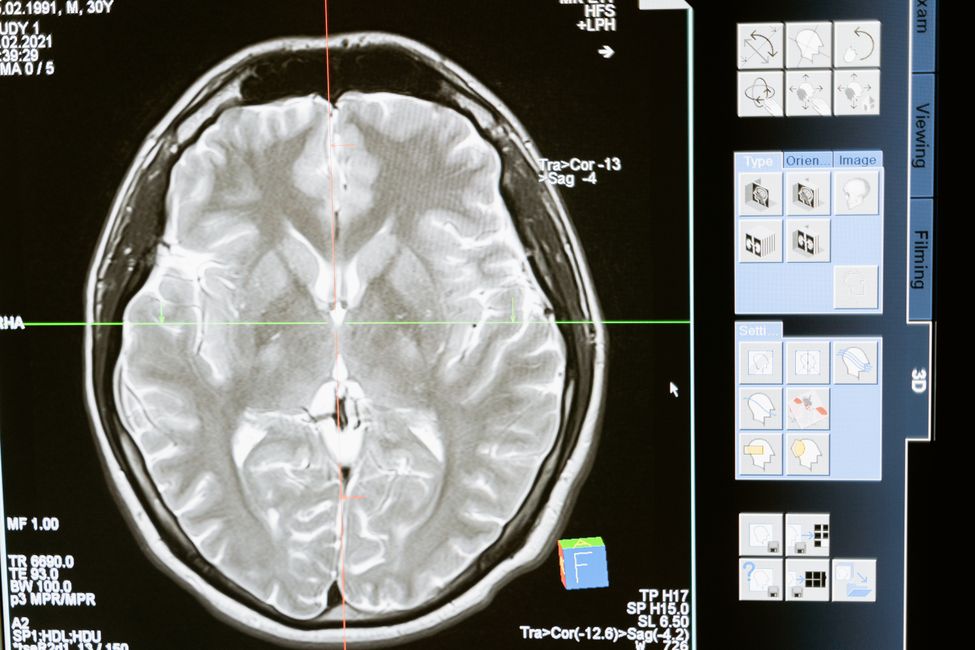
*Photo: MART PRODUCTION · Pexels*
The conditions identified in the study—psychotic and bipolar disorders—are serious mental health challenges that can significantly affect someone's daily life, relationships, and sense of self. Psychotic disorders can involve experiences like hallucinations or delusions, while bipolar disorder is characterised by significant shifts in mood and energy. Both conditions are treatable, but they often require long-term care and support.
Why this matters now
Cannabis has become increasingly normalised in many parts of the world, with changing laws and shifting cultural attitudes. In some places, it's easier for young people to access than ever before. At the same time, the potency of cannabis products has increased dramatically over recent decades, meaning today's cannabis is often much stronger than what previous generations encountered.
These changes make it especially important for young people, parents, educators, and healthcare providers to have accurate information about potential risks. The conversation around cannabis and mental health isn't about moral judgment—it's about understanding how a substance interacts with the developing brain during a vulnerable period of life.
The doubling of risk identified in this study is substantial, but it's also important to keep it in context. Not every teenager who uses cannabis will develop a mental health condition, and many factors contribute to someone's overall mental wellbeing. Genetics, environment, stress, trauma, and social support all play roles. What this research does is add another piece to the puzzle of understanding risk factors.

*Photo: cottonbro studio · Pexels*
Looking ahead
For those working in mental health and wellbeing, including podcasters and content creators who address these topics, this research offers an opportunity to have honest, non-judgmental conversations about substance use and brain health. Young people deserve information that respects their intelligence while being clear about what science currently understands.
The study also highlights the importance of early support. If cannabis use can precede mental health challenges by nearly two years, that window represents a potential opportunity for intervention, education, and connection with resources. It's a reminder that prevention and early support matter.
For families navigating these issues, the findings underscore the value of open communication. Creating space for honest conversations about substances, mental health, and the challenges of adolescence can help young people make informed choices and know where to turn if they're struggling.
This research doesn't exist in isolation. It's part of a larger conversation about how we support young people's mental health in a complex world. As our understanding grows, so does our ability to offer meaningful guidance and care during the formative teenage years.
The study was published on ScienceDaily.
For podcasters and creators focused on wellbeing, this research offers a chance to explore nuanced topics with care—helping audiences understand risk without fear, and supporting informed choices during vulnerable developmental years. If you or someone you know is struggling with substance use or mental health concerns, reaching out for support is always a wise step.
Based on reporting from sciencedaily.com.


Comments
Loading comments…