




A major review combining evidence from 40 separate studies has found that people living with type 2 diabetes face a 53% higher risk of developing Alzheimer's disease compared to those without the condition. The analysis, which offers one of the clearest pictures yet of how metabolic health connects to brain health, estimates that almost five in every 1,000 people with type 2 diabetes develop Alzheimer's annually, according to ScienceDaily.
The findings add weight to a growing body of evidence showing that what affects the body often affects the mind. By focusing specifically on the relationship between these two conditions, researchers have been able to draw sharper conclusions about a link that medical professionals have suspected for some time but struggled to quantify precisely.
Why the connection matters
Type 2 diabetes affects how the body processes blood sugar, and that metabolic disruption appears to have consequences far beyond blood glucose readings. When insulin resistance develops and blood sugar levels remain elevated over time, the effects can reach the brain in ways researchers are still working to understand fully.
The 53% increase in risk is significant but should be understood in context. It does not mean that everyone with type 2 diabetes will develop Alzheimer's, nor does it suggest that diabetes directly causes the condition. Rather, it points to diabetes as one of several factors that can influence brain health over the long term. Other research has explored different pathways to cognitive health, including how liver aging may influence Alzheimer's protein levels and the protective role that certain sleep stages might play against disease.
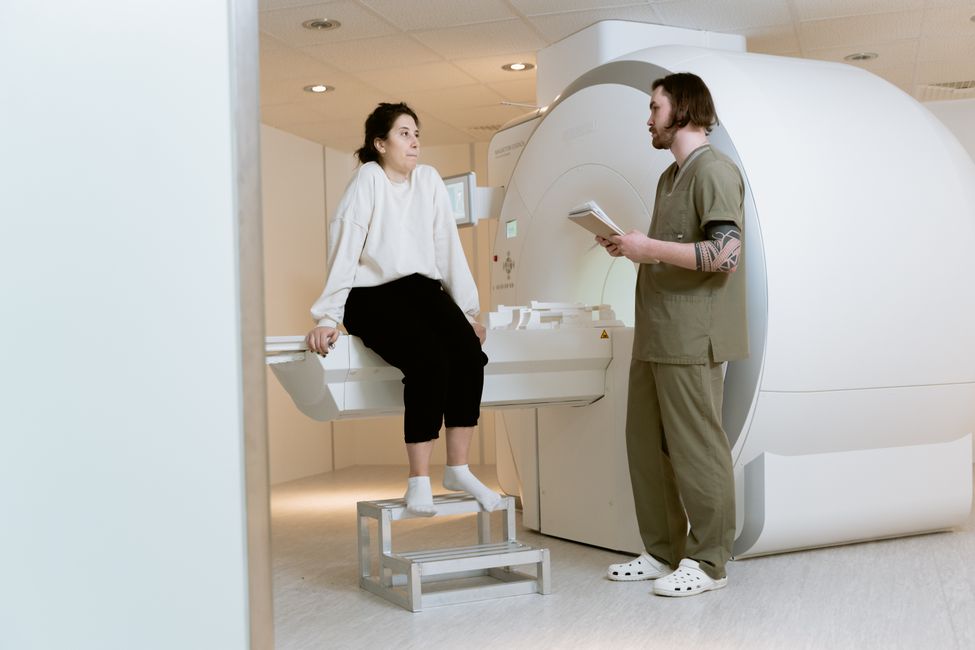
Photo: MART PRODUCTION · Pexels
The body-brain conversation
What makes this review especially valuable is its scale. By pulling together findings from 40 studies, the researchers were able to look past the noise of individual investigations and identify a pattern that holds across different populations and research designs. The annual rate of five Alzheimer's cases per 1,000 people with type 2 diabetes gives health professionals and patients a concrete number to work with when thinking about risk.
The connection between metabolic and cognitive health is not entirely surprising. The brain is an energy-hungry organ that relies heavily on stable blood sugar levels and healthy blood vessels to function well. When those systems are under strain, as they are in type 2 diabetes, the brain can bear some of that burden. Inflammation, blood vessel damage and altered insulin signalling in the brain itself may all play a role.
Scientists have been uncovering surprising connections across body systems in recent years. For instance, research has revealed unexpected links between ADHD and digestive health, and studies have shown that limited daily exposure to daylight may raise dementia risk. These findings point to a more interconnected picture of health than we might have imagined.
What this means for prevention
The review does not offer medical advice, but it does suggest that managing metabolic health could be one piece of the puzzle when it comes to protecting brain function over a lifetime. Blood sugar control, cardiovascular health and lifestyle factors that support both body and mind may all have roles to play.
For anyone living with type 2 diabetes, the news is not cause for alarm but rather a reason to stay engaged with care and to think about health holistically. Many of the same habits that support metabolic health, such as regular movement, balanced eating and good sleep, are also known to support cognitive function.
The review contributes to a broader conversation about how we understand risk and resilience. No single factor determines whether someone will develop Alzheimer's, and many people with type 2 diabetes will never face that diagnosis. At the same time, understanding where risk lies gives people more information to work with as they make choices about their health.
For podcasters and content creators exploring wellness, this research underscores how deeply physical and mental health are intertwined. The story is not about fear but about connection, about how caring for one part of ourselves supports the whole.
Based on reporting from sciencedaily.com.

For the PodHub Journal. Stories and research on the mind, from the team behind the network's podcasts.



Comments
Loading comments…