The sleep stage that may protect you from dozens of diseases
A major new study finds that time spent in REM sleep is linked to lower risk of conditions from dementia to heart disease.

We've long known that good sleep matters for our health. But new research is revealing something more specific: the type of sleep we get might be just as important as how much we sleep overall.
A large study following more than 95,000 people has found that spending more time in REM sleep—the stage when we dream most vividly—is associated with lower risk of developing 83 different health conditions. The findings suggest our sleep architecture, the way we cycle through different sleep stages each night, plays a significant role in protecting us from illness.
The two sleep stages that matter most
Sleep isn't one uniform state. Throughout the night, we move through cycles that include light sleep, deep sleep, and REM sleep. Each stage appears to serve different functions for our bodies and minds.
The research found that people who spent more time in REM sleep had lower risks of a wide range of conditions. These included serious illnesses like dementia, heart failure, and Parkinson's disease. REM sleep, named for the rapid eye movements that occur during this stage, is when most of our vivid dreaming happens. It's also thought to be crucial for memory consolidation and emotional processing.
Deep sleep, meanwhile, showed its own protective associations. People who got more deep sleep had lower risks of conditions including type 2 diabetes and major depression. Deep sleep is the most restorative stage, when our bodies repair tissues and our brains clear out metabolic waste.

*Photo: Polina ⠀ · Pexels*
What makes this study particularly noteworthy is its scale and breadth. Tracking more than 95,000 people allowed researchers to spot patterns across dozens of different health outcomes, not just one or two conditions. It paints a picture of sleep quality as a foundational pillar of health, influencing everything from our metabolism to our brain function to our cardiovascular system.
Why sleep stages might matter so much
The connection between specific sleep stages and disease risk makes sense when we consider what happens during each stage. REM sleep is incredibly active for the brain. Neural connections are strengthened, memories are processed, and emotional experiences from the day are integrated. When we don't get enough REM sleep, we often feel emotionally raw and mentally foggy.
Deep sleep, on the other hand, is when physical restoration happens most intensely. Growth hormone is released, immune function is strengthened, and the brain's waste-clearance system works overtime. Miss out on deep sleep regularly, and the body may struggle to maintain metabolic health and clear away proteins that can contribute to neurodegeneration.
The study didn't prove that getting more REM or deep sleep directly prevents disease—correlation doesn't equal causation. But the associations were strong and consistent across many different conditions. It's possible that people who naturally get more restorative sleep are protected from illness. It's also possible that early disease processes disrupt sleep architecture, creating a two-way relationship.
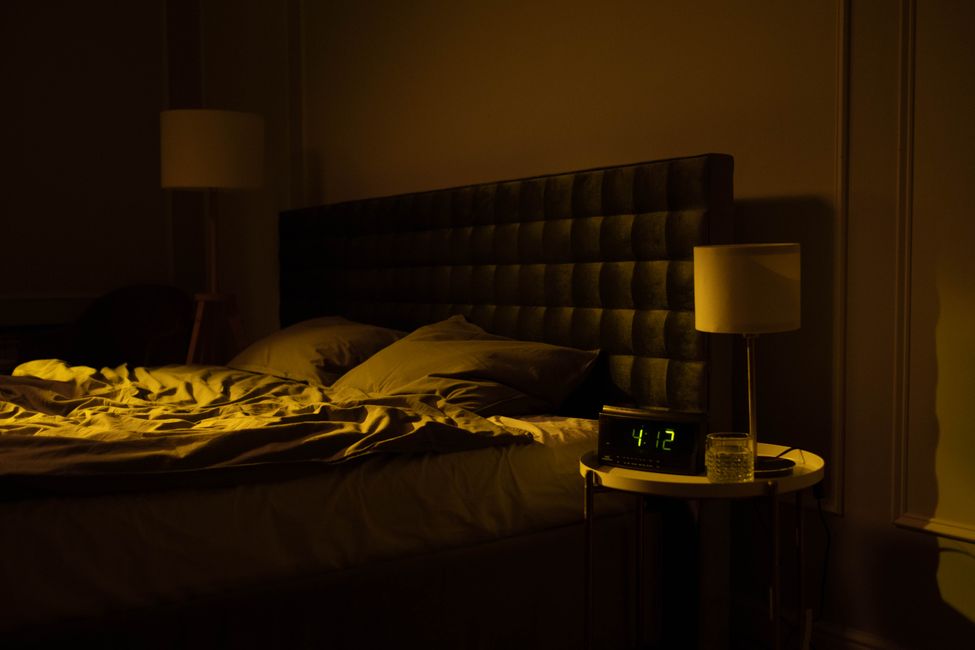
*Photo: cottonbro studio · Pexels*
What this means for how we think about rest
These findings add weight to something sleep researchers have been saying for years: sleep quality matters as much as sleep quantity. You might spend eight hours in bed each night, but if you're not cycling properly through the sleep stages, you may not be getting the full restorative benefits.
Certain factors can interfere with reaching deeper sleep stages. Alcohol, for instance, might help you fall asleep but often suppresses REM sleep later in the night. Sleep apnea can fragment sleep and prevent people from reaching or sustaining deep sleep. Stress, irregular sleep schedules, and even sleeping in a room that's too warm can all affect sleep architecture.
The good news is that sleep quality responds to changes we make. Consistent sleep and wake times help regulate our internal clocks. A cool, dark, quiet bedroom promotes deeper sleep. Regular physical activity and managing stress during the day both improve sleep architecture at night. For people with sleep disorders, treatment can restore healthier sleep patterns and potentially reduce long-term health risks.
This research reminds us that sleep is not wasted time. It's when our brains and bodies do essential maintenance work that we can't accomplish while awake. The hours we spend dreaming and resting deeply may be quietly protecting us from diseases we won't face for decades to come.
For anyone interested in longevity and wellbeing, the message is clear: prioritise not just the hours you sleep, but the quality of rest you get during those hours. Your future self, across dozens of measures of health, may thank you for it.
Based on reporting from sciencedaily.com.



Comments
Loading comments…