




Scientists have developed a technique that uses magnetic nanoparticles to stimulate deep brain regions, dramatically improving Parkinson's-like movement problems in mice without the need for permanently implanted electrodes. The breakthrough could eventually lead to treatments using injectable particles and wearable magnetic headbands, offering a less invasive alternative to current deep brain stimulation methods.
A gentler approach to brain stimulation
Deep brain stimulation already helps many people with Parkinson's disease manage their symptoms, but the procedure requires surgically implanting electrodes into the brain. The new approach takes a different path. Researchers injected magnetic nanoparticles into specific brain regions in mice, then used external magnetic fields to activate those particles and stimulate the surrounding tissue.
The results were striking. Mice with Parkinson's-like symptoms showed significant improvement in their movement after treatment. The technique allowed scientists to reach deep brain structures without threading wires through the skull, addressing one of the biggest drawbacks of existing therapies. Similar to how nanoparticles are being explored for treating aggressive brain cancers, this research shows the versatility of ultra-small particles in reaching parts of the brain that have traditionally been difficult to treat.
How magnetic stimulation works
The technique relies on two components working together. First, the nanoparticles are delivered to target areas in the brain, where they settle into the tissue. Then, a wearable device generates a magnetic field that penetrates the skull and activates the particles. When the particles respond to the magnetic field, they stimulate nearby neurons in ways that help restore normal movement patterns.

Photo: Михаил Крамор · Pexels
What makes this particularly promising is that the magnetic field can be controlled from outside the body. Researchers can adjust the strength and timing of stimulation without additional surgery or invasive procedures. The particles themselves remain in place, acting as tiny anchors that respond to external signals.
This work adds to a growing collection of innovative brain treatments. Scientists have recently made progress with sound waves to deliver gene therapies to brain tumours and brain mapping approaches for PTSD, all pointing toward less invasive ways to address neurological conditions.
From mice to humans
The research is still in its early stages. What works in mice may not translate directly to human treatment, and many questions remain about safety, effectiveness, and long-term outcomes. The nanoparticles would need extensive testing to ensure they cause no harm when introduced into human brains. Researchers will also need to determine the right dosage, the best delivery methods, and how long the particles remain effective.
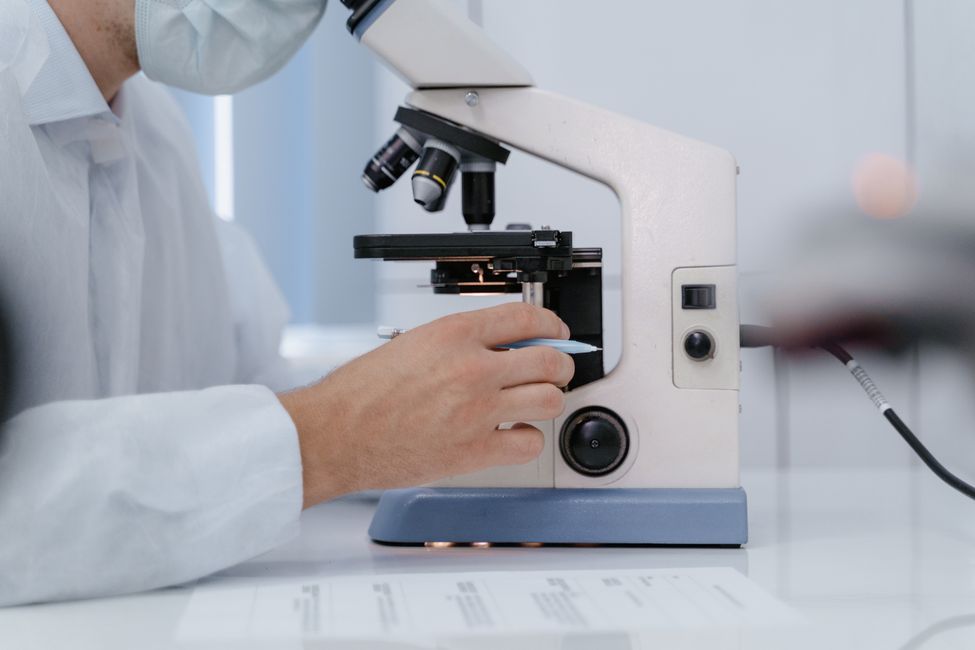
Photo: Tima Miroshnichenko · Pexels
Still, the principle offers hope. For people living with Parkinson's disease, current treatment options involve either medication that can lose effectiveness over time or surgical procedures that carry inherent risks. A middle path, one that provides targeted stimulation without permanent implants, could change how neurological conditions are managed. Much like how stem cells are being tested to repair stroke damage, this approach represents a shift toward regenerative and adaptive treatments.
The technology could potentially extend beyond Parkinson's disease. Any condition that might benefit from targeted brain stimulation, from certain types of depression to movement disorders, could theoretically be addressed using similar methods. The ability to reach specific brain regions involved in learning and focus without invasive surgery opens new possibilities for therapeutic intervention.
Why this matters
For anyone following developments in brain health, this research represents a meaningful step toward treatments that work with the body rather than requiring permanent alterations to it. The idea of wearing a headband instead of undergoing brain surgery feels fundamentally different, both physically and emotionally.
The work also reflects a broader trend in medical research: finding ways to deliver precise treatments with minimal disruption. As our understanding of the brain deepens, the tools available to support neurological health are becoming more sophisticated and more humane.
According to ScienceDaily, the technique showed dramatic results in the laboratory. Whether those results can be replicated in humans remains to be seen, but the direction is encouraging. For people living with Parkinson's and their families, even the possibility of a gentler treatment option offers something valuable: hope grounded in science, moving steadily from idea to reality.
Listen next


Based on reporting from sciencedaily.com.

For the PodHub Journal. Stories and research on the mind, from the team behind the network's podcasts.
Comments
Loading comments…