
For people living with Parkinson's disease, the gradual loss of mobility can be one of the most difficult aspects of the condition. Over time, movements that once felt automatic become effortful, and walking becomes increasingly challenging. But a treatment known as deep brain stimulation has offered hope, and now researchers are beginning to understand more clearly how it works.
A recent study has examined the mechanics behind this treatment, sometimes called a brain pacemaker, and how targeting a specific region of the brain can improve walking ability and quality of life for patients. The findings add valuable detail to our understanding of a therapy that is already making a real difference for many people.
Understanding deep brain stimulation
Deep brain stimulation involves implanting a device that sends electrical signals to particular areas of the brain. For people with Parkinson's, this technology has been used for years to help manage symptoms, particularly those affecting movement. The treatment does not cure the disease, but it can significantly reduce tremors, stiffness, and difficulties with walking.
What has been less clear until now is exactly how stimulating certain brain regions produces these benefits. In this study, researchers used an innovative technique involving light to activate and deactivate nerve cells in a targeted way. This allowed them to observe more precisely what happens in the brain when stimulation is applied.

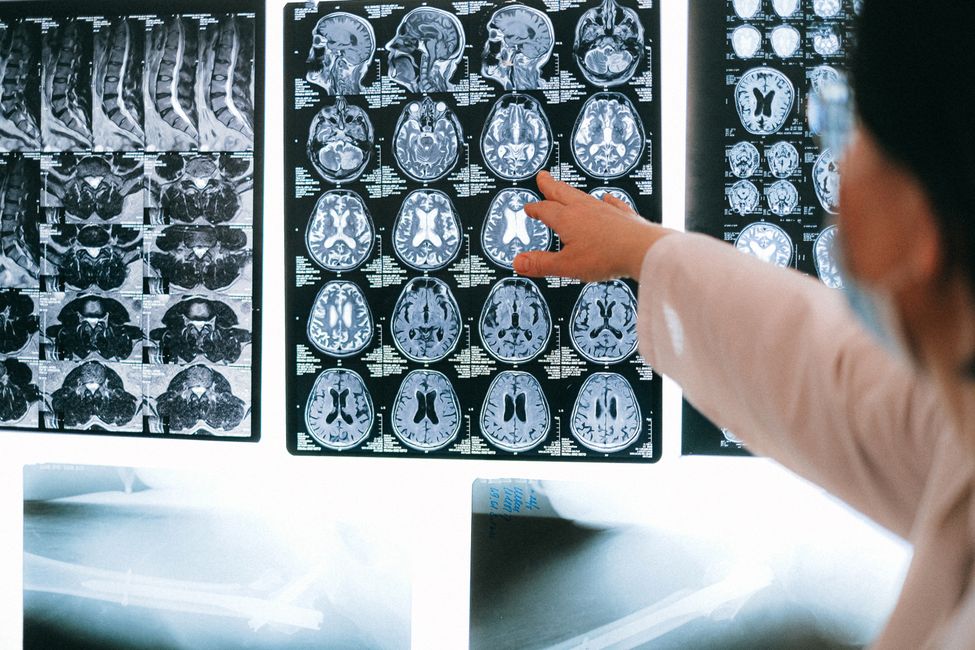
*Photo: Cheng Shi Song · Pexels*
The focus was on ambulatory ability, the medical term for how well someone can walk and move around independently. For anyone with Parkinson's, maintaining this ability matters enormously. It affects not just physical health but also independence, confidence, and the capacity to take part in daily life.
What the research revealed
The study specifically looked at one region of the brain and tracked how stimulation there influenced movement. By using light to control nerve cell activity, the researchers could turn the stimulation on and off with precision, watching the effects in real time.
While the source does not detail all the biological mechanisms involved, the research confirmed that stimulation of this particular brain area does indeed have a positive impact on walking. This reinforces the value of deep brain stimulation as a treatment option and helps scientists refine their approach.
Understanding which areas of the brain to target, and how to adjust the stimulation for individual patients, is a complex puzzle. Each person's brain is unique, and Parkinson's affects people in different ways. Research like this helps build a clearer picture, which in turn can lead to more effective, personalised treatments.
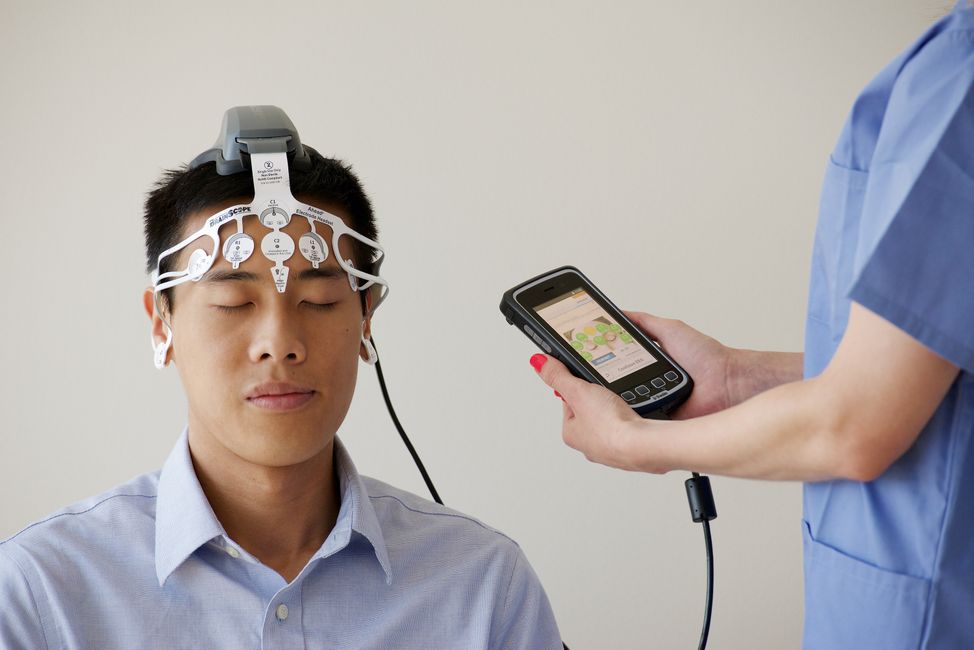
*Photo: KOS Chiropractic Integrative Health · Pexels*
Why this matters beyond the clinic
At first glance, this might seem like a story strictly for medical journals. But the implications reach much further. For anyone who has watched a loved one struggle with Parkinson's, or who lives with the condition themselves, news of better understanding and better treatment is deeply personal.
Mobility is about more than just the mechanics of movement. Being able to walk means being able to visit friends, go to the shops, take a stroll in the park. It means autonomy. When that starts to slip away, it can affect mood, mental health, and a sense of self. Treatments that restore even some of that capacity can have a profound impact on wellbeing.
There is also something hopeful in the fact that researchers are continuing to ask questions and refine their techniques. Deep brain stimulation is not new, but studies like this one show that the science is still evolving. There is room for improvement, for innovation, and for helping more people.
The broader picture
This research sits within a wider conversation about how we support people living with chronic neurological conditions. Parkinson's is progressive, which means symptoms change and often worsen over time. Treatments need to adapt alongside those changes.
Deep brain stimulation represents one part of a broader toolkit that includes medication, physiotherapy, occupational therapy, and psychological support. No single intervention does everything, but together they can help people maintain quality of life for as long as possible.
For those of us interested in mental health and wellbeing, stories like this are a reminder that physical health and mental health are intertwined. When someone regains the ability to move more freely, the psychological benefits can be just as significant as the physical ones. Confidence returns. Social connections become easier to maintain. The sense of being trapped in a failing body can lift, even a little.
What comes next
This study adds another piece to the puzzle, but there is still much to learn. Researchers will continue to explore how different brain regions respond to stimulation, how to optimise the settings for individual patients, and how to make the treatment accessible to more people who could benefit.
For now, the findings offer reassurance that deep brain stimulation is built on solid science and that ongoing research is helping to make it more effective. For people living with Parkinson's and their families, that is meaningful progress.
The work also highlights the value of curiosity and persistence in medical research. Every answer leads to new questions, and every improvement in treatment can change lives.
Based on reporting from sciencedaily.com.

Comments
Loading comments…