


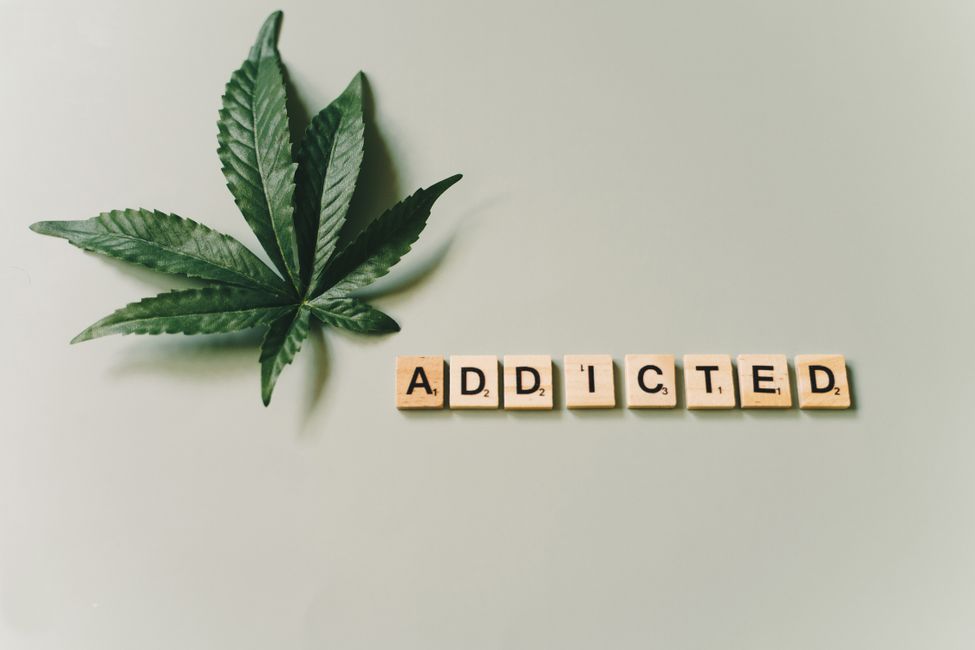

A study tracking more than 415,000 Americans has found that adults with cannabis use disorder have 57% higher odds of experiencing suicidal thoughts compared to those without the condition. The research, one of the largest of its kind, also reveals that women and younger adults face particularly elevated risks, raising questions about who is most vulnerable as cannabis use becomes more widespread.
The findings come at a time when cannabis sits in a complicated cultural position. As legalisation spreads and social attitudes shift, understanding the mental health impacts of problematic use matters more than ever.
The scale of the finding
The study's size gives it unusual power. By examining records from more than 415,000 individuals, researchers could identify patterns that smaller investigations might miss. The 57% increase in odds represents a substantial difference, one that holds across different groups even as the specific levels of risk vary.
Women with cannabis use disorder showed higher vulnerability than men, though the study does not explain why. Younger adults also faced greater risk, adding to evidence that cannabis use in adolescence is linked to higher mental health risks during years when the brain is still developing.
The research establishes an association rather than proving direct cause and effect. That means we cannot say for certain that cannabis use disorder causes suicidal thoughts, only that the two occur together at rates too high to be coincidental. Still, the size and scope of the data lend weight to concerns about mental health impacts when cannabis use becomes problematic.

Photo: cottonbro studio · Pexels
Understanding cannabis use disorder
Cannabis use disorder is diagnosed when someone's cannabis use causes significant problems or distress. This might include difficulty controlling how much or how often they use, strong cravings, or continuing to use despite negative consequences in their life. It represents a pattern where cannabis has moved from recreational or occasional use to something that interferes with daily functioning.
The disorder sits on a spectrum. Some people develop mild forms, while others struggle with severe dependence. The study does not break down these distinctions, but the overall finding suggests that any level of the disorder carries measurable psychological risk.
Previous research has shown links between cannabis use and higher rates of violence, suggesting that problematic use affects wellbeing and behaviour in multiple ways. Physical health concerns have also emerged, with studies finding higher stroke risk even with occasional marijuana use.
A changing landscape
Cannabis exists in a moment of transition. Many regions have moved toward decriminalisation or legalisation, often with promises of regulation and harm reduction. Social stigma has faded for many people, and medical applications have brought cannabis into mainstream conversations about health.
Yet as access becomes easier and attitudes shift, the number of people developing problematic use patterns appears to be growing. The study arrives as public health professionals, policymakers and families try to make sense of these changes and their consequences.
Photo: Jess Loiterton · Pexels
The research does not suggest that everyone who uses cannabis will face these risks. Most people who try cannabis will never develop a use disorder, and most who use it regularly will not experience suicidal thoughts. But for those who do develop dependence, the psychological toll appears to be significant.
What this means
For anyone working in mental health or substance use support, these findings underscore the importance of screening for cannabis use disorder and treating it seriously. The connection to suicidal thoughts means that addressing problematic cannabis use could be part of broader suicide prevention efforts.
For podcasters and content creators in the mental wellness space, the study highlights why nuanced conversations about cannabis matter. The substance occupies complicated territory, celebrated by some and dismissed by others. The reality appears more textured. Cannabis can be many things to many people, but when use tips into disorder, the consequences are real and measurable.
Understanding which groups face the highest risk, particularly women and younger adults, could help target support and education. It also matters for families trying to recognise when someone's cannabis use has moved beyond recreational into something more concerning.
The study offers a clearer picture of prevalence and risk than smaller investigations could provide. It shows that the relationship between cannabis dependence and mental distress is not marginal or uncertain, but substantial enough to warrant serious attention from anyone concerned with psychological wellbeing.
If you or someone you know is struggling, support is available through crisis lines and mental health services.
Listen next
 Inner Peace Better HealthBuilding a Livable Life After Suicidal Thoughts Through Nervous System Care with Gazit Chaya Nkosi24 min
 The Mindful LivingBeyond the Breaking Point — How Suicidal Thoughts Signal a Call to Heal with Mridula Agarwal1 hr 18 min
 The Mindful LivingBreaking the Stigma with Amita Sharma: Perimenopause Awareness for Younger Indian Women21 min
Based on reporting from sciencedaily.com.

For the PodHub Journal. Stories and research on the mind, from the team behind the network's podcasts.


Comments
Loading comments…