New research questions the safety of tyrosine supplements for men
A large study finds higher levels of the popular focus supplement tyrosine may be linked to shorter lifespans in men, but not women.
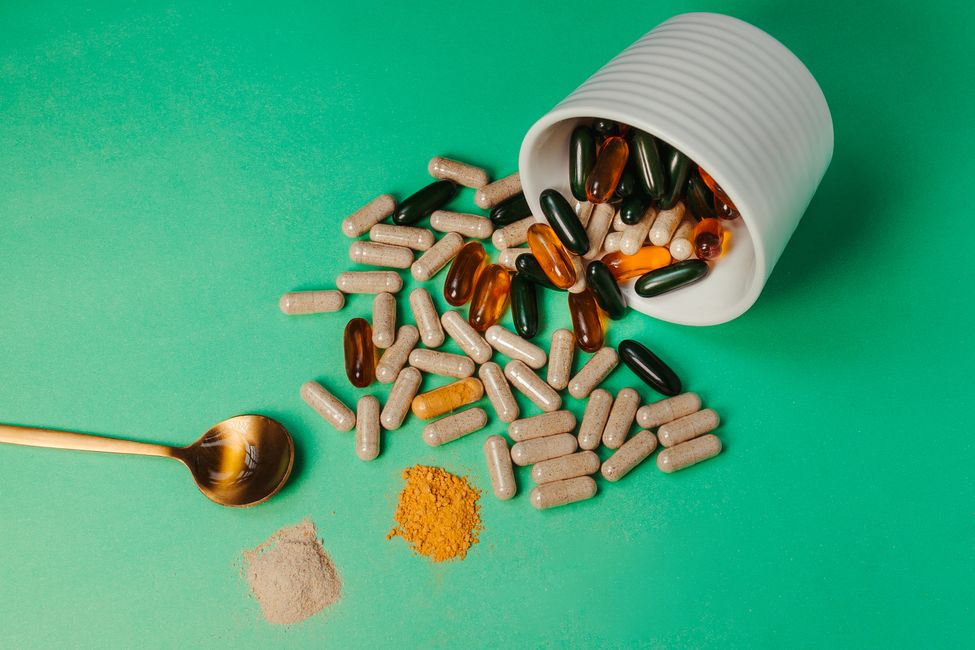
If you walk into most health stores or scroll through supplement sites, you'll find tyrosine marketed as a brain booster. It's meant to sharpen focus, support mental performance under stress, and help with motivation. Plenty of people take it daily. But new research involving more than 270,000 participants is raising questions about whether this popular amino acid might come with an unexpected cost, at least for men.
The study found that men with higher blood levels of tyrosine could face nearly a year less of life expectancy. Women, notably, showed no such pattern. The findings are preliminary and don't prove cause and effect, but they're significant enough to make researchers take notice, especially given how widely tyrosine is used.
What tyrosine is and why people take it
Tyrosine is an amino acid, one of the building blocks of protein. Your body uses it to make important brain chemicals like dopamine and norepinephrine, which play roles in mood, alertness and motivation. You get tyrosine naturally when you eat protein-rich foods like chicken, fish, dairy, eggs, nuts and seeds. For most people, diet provides plenty.
But tyrosine is also sold as a standalone supplement, often promoted to students, professionals and athletes who want an edge. The idea is that extra tyrosine might help your brain produce more of those helpful chemicals, especially during stressful or demanding situations. Some research has suggested modest benefits for short-term stress or fatigue, though the evidence is mixed.
What hasn't been clear until now is whether taking tyrosine long-term, or simply having higher levels in your system, might carry risks.

*Photo: https://kaboompics.com/ · Pexels*
How the research was done
The study combined two approaches. First, researchers looked at observational data, tracking health outcomes in people with different blood levels of tyrosine. Then they used a technique called Mendelian randomisation, which looks at genetic variations that naturally cause some people to have higher or lower tyrosine levels from birth. This genetic method helps rule out other lifestyle factors that might confuse the results.
Across both methods, the pattern held. Men with elevated tyrosine appeared to have shorter lifespans, with the effect size suggesting close to a year of reduced life expectancy. Women showed no meaningful association. The research involved more than a quarter of a million people, making it one of the larger studies of its kind.
The researchers didn't identify a clear mechanism for why tyrosine might affect men differently, or why it might shorten lifespan at all. It's possible that higher tyrosine disrupts some metabolic process, or that it interacts with hormones or other biological pathways that differ between sexes. More work is needed to understand what's actually happening.
What this means for supplement users
It's important to be clear about what this study does and doesn't tell us. It shows an association, not proof that tyrosine directly causes shorter lifespans. It also measured blood levels, which reflect both diet and supplements, so we can't say for certain whether taking tyrosine pills is the problem, or whether some other factor tied to high tyrosine is involved.
That said, the findings are concerning enough to warrant caution, particularly for men who take tyrosine regularly without a clear medical reason. If you're using it occasionally before a big presentation or exam, the risk is likely minimal. But if you're taking it daily as part of a routine stack of supplements, it might be worth reconsidering, or at least talking to a doctor.

*Photo: SHVETS production · Pexels*
For women, the data so far suggests no similar risk, though that doesn't mean tyrosine supplements are automatically safe or beneficial. Any supplement can have side effects or interact with medications, and the long-term effects of most are still poorly understood.
It's also a reminder that natural doesn't always mean harmless. Tyrosine is found in food, yes, but that doesn't mean megadoses in pill form are without consequence. Your body regulates nutrients in complex ways, and flooding it with isolated compounds can sometimes create imbalances.
Why it matters
This research is part of a growing conversation about supplements and whether we've been too quick to assume they're benign. Millions of people take brain-boosting compounds hoping to feel sharper or more focused, often without much evidence that they work, and usually without thinking much about risk.
For podcasters, creators and anyone juggling demanding schedules, the temptation to reach for a supplement is understandable. But stories like this one are a gentle reminder that there are no shortcuts to wellbeing. Sleep, good food, movement and rest still matter more than any pill.
If you're taking tyrosine or thinking about it, this study doesn't mean you need to panic. But it does mean it's worth being thoughtful. Ask whether you actually need it, whether it's helping, and whether the potential risks are worth the uncertain benefits. And if you have concerns, a conversation with a healthcare provider is always a good idea.
Based on reporting from sciencedaily.com.



Comments
Loading comments…