


Breast cancer survivors who took a supplement containing oxaloacetate, a molecule the body produces naturally, experienced substantial improvements in memory, concentration, mental clarity, and fatigue after eight weeks, according to a new study from UCLA. The findings offer encouragement for people facing cognitive difficulties that persist after cancer treatment ends.
The research focused on women who had finished treatment for breast cancer but continued to struggle with thinking clearly and overwhelming tiredness. These lingering effects can make ordinary tasks feel harder than they should, affecting daily life in ways that are difficult for others to see but deeply felt by those going through them.
What the study found
Oxaloacetate is a compound our bodies make as part of cellular energy production. Researchers tested it because of its role in metabolism, the process that keeps cells functioning throughout the body and brain.
Over eight weeks, women in the study took the supplement. By the end of that period, they showed meaningful gains across several measures: better memory, sharper concentration, clearer thinking, and reduced fatigue. The research team documented these improvements through testing and participant reports.
The study joins research into how simple amino acids show promise for memory and other work exploring whether naturally occurring substances might support brain function when it faces challenges.
Why cognitive changes happen after treatment
The reasons behind post-treatment cognitive difficulties are not completely clear. Cancer treatment itself, along with the physical and emotional strain of illness, can all contribute to changes in how the brain works. For many survivors, the experience is frustrating because it lacks obvious solutions.

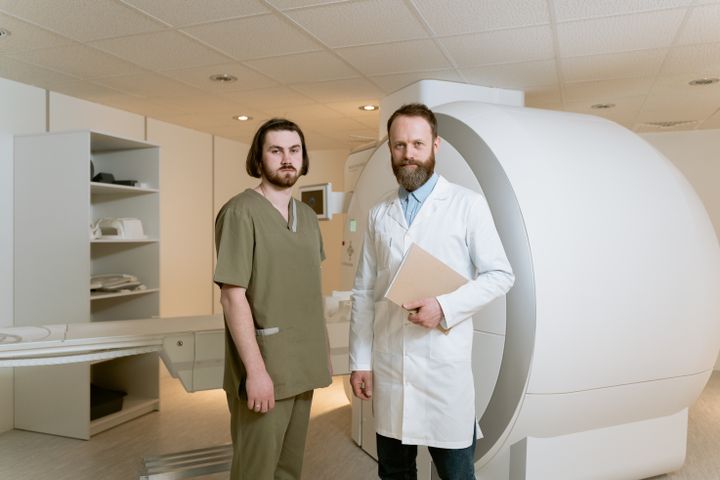
Photo: Nam Phong Bùi · Pexels
Current options for addressing these symptoms are limited, which makes targeted research particularly valuable. While some people find practices like mindfulness helpful for related concerns, specific treatments for post-cancer cognitive changes remain scarce.
The UCLA trial involved a specific group of participants and a focused timeframe. Questions remain about whether oxaloacetate would help people treated for other types of cancer, or how the findings would hold up in larger studies over longer periods.
Part of wider efforts
This work fits into broader exploration of substances that might support brain health across different conditions. Scientists have recently looked at everything from dietary approaches like peanuts for memory to vitamin B3 in aggressive brain cancer. Each piece of research adds to understanding how nutrition and supplementation might protect or restore cognitive function.
What stands out here is the focus on cancer survivors, who face distinct challenges that deserve dedicated attention. The fact that a naturally occurring molecule showed promise may also appeal to people who prefer less pharmaceutical approaches when possible.

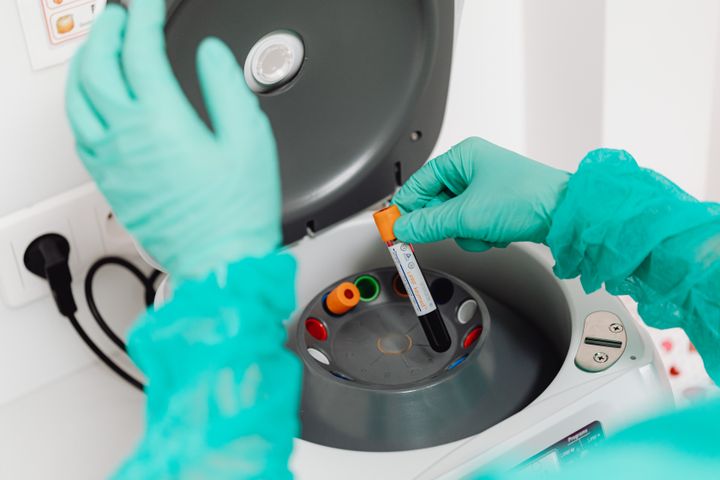
Photo: by Natallia · Pexels
What this means
The findings suggest that nutritional support might make a genuine difference for people struggling with mental fog and exhaustion after cancer treatment, though more research will be needed before oxaloacetate becomes widely recommended.
The study also matters for how we think about recovery. Surviving cancer is a profound achievement, but the journey extends beyond the end of treatment. Recognising and addressing lingering effects, including cognitive ones, is part of truly supporting people through the whole experience of illness and healing.
For those who continue to struggle with invisible symptoms after treatment, this research offers a thread of hope worth following. If you or someone you care about is finding it hard, know that support is available.
Listen next



Based on reporting from sciencedaily.com.

For the PodHub Journal. Stories and research on the mind, from the team behind the network's podcasts.

Comments
Loading comments…