
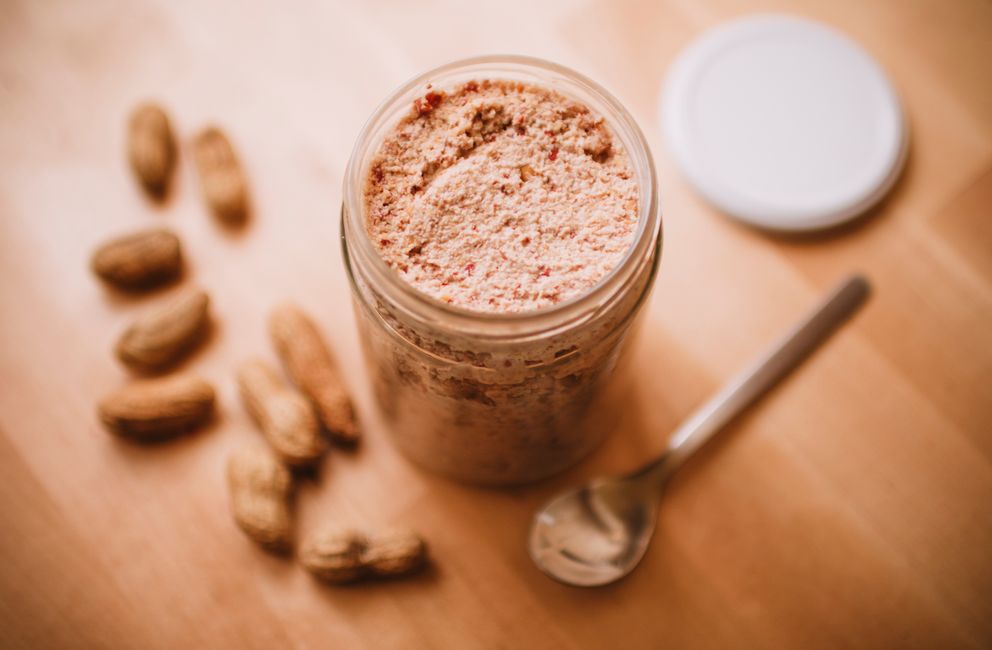

Researchers have found that eating about two servings of unsalted, roasted peanuts each day may help support memory and brain health in older adults. The study showed that 16 weeks of daily peanut consumption improved how well insulin works in brain regions important for memory, a function that tends to decline with age and has been connected to Alzheimer's disease.
The findings add to a growing body of evidence that what we eat may influence how our brains age. Unlike earlier research that has looked at simple amino acids for memory support or timing of meals and brain aging, this work focused on a familiar food many of us already keep in the cupboard.
What the study measured
The research tracked changes in insulin responsiveness, which refers to how effectively the brain uses insulin to regulate energy and support cellular function. As we get older, this process often becomes less efficient in memory-related brain areas. When insulin function weakens in these regions, it may contribute to cognitive decline and raise the risk of conditions like Alzheimer's.
Participants ate roughly two servings of skin-roasted peanuts without added salt each day for four months. By the end of that period, brain scans revealed measurable improvements in how those memory regions responded to insulin.

Photo: Tima Miroshnichenko · Pexels
Why peanuts might help
The study did not spell out exactly which compounds in peanuts drove the benefit, but peanuts are known to contain several nutrients that support metabolic health. They offer healthy fats, protein, fibre, and a range of vitamins and minerals including magnesium and vitamin E. Some of these components have been linked in other research to better insulin sensitivity and reduced inflammation.
What stands out about this finding is its simplicity. While some brain health interventions require supplements or dramatic diet changes, this study used whole peanuts in amounts that fit easily into daily routines. The approach mirrors other recent explorations into everyday foods, such as whether blueberries might brighten mood in older adults.
Putting it in context
This was a small study, and more research will be needed to confirm the results and understand how long the effects last. Scientists also do not yet know whether similar benefits would appear in younger adults, or whether other types of nuts might offer the same support.
The work does fit within a broader understanding that eating patterns can influence brain aging. Individual foods rarely work in isolation, but they contribute to overall dietary quality, which in turn shapes metabolic health and inflammation levels throughout the body and brain.
For people interested in brain health as they age, the findings suggest that small, consistent dietary habits may matter more than we think. The study did not involve supplements or medications, just a regular portion of a familiar food over a few months.

Photo: Dong Le · Pexels
What this means for everyday life
For podcasters and creators exploring brain health, aging, or nutrition, this study offers a concrete example of how accessible interventions might support cognitive wellbeing. It opens conversations about the role of whole foods in brain function and the ways that simple habits, sustained over time, could make a difference.
For listeners and readers navigating their own aging or that of loved ones, it is a reminder that support and structure matter in brain health efforts. Building routines around foods we enjoy, rather than chasing the latest trend, may be one part of a larger picture that includes movement, connection, and rest.
The takeaway is not that peanuts are a cure or a guarantee. It is that small, thoughtful choices about what we eat may quietly support the parts of the brain we rely on to remember, learn, and stay engaged with the world around us.
Listen next
 Healthy Mind Healthy LifeFrom Brain Injury To A New Life Built Daily, with Ryan Castleberry15 min
 Healthy Mind Healthy LifeA Brain Tumor, Memory Loss, And A New Life, with Jenny White15 min
 Wellness ReimaginedBrain Rebooting After Trauma: Rebuilding Identity, Memory, and Everyday Joy with Shannon Michelle25 min
Based on reporting from sciencedaily.com.

For the PodHub Journal. Stories and research on the mind, from the team behind the network's podcasts.


Comments
Loading comments…