Early trial hints vitamin B3 may boost survival in aggressive brain cancer
A small study suggests high-dose niacin could help the immune system fight glioblastoma, though much more research lies ahead.
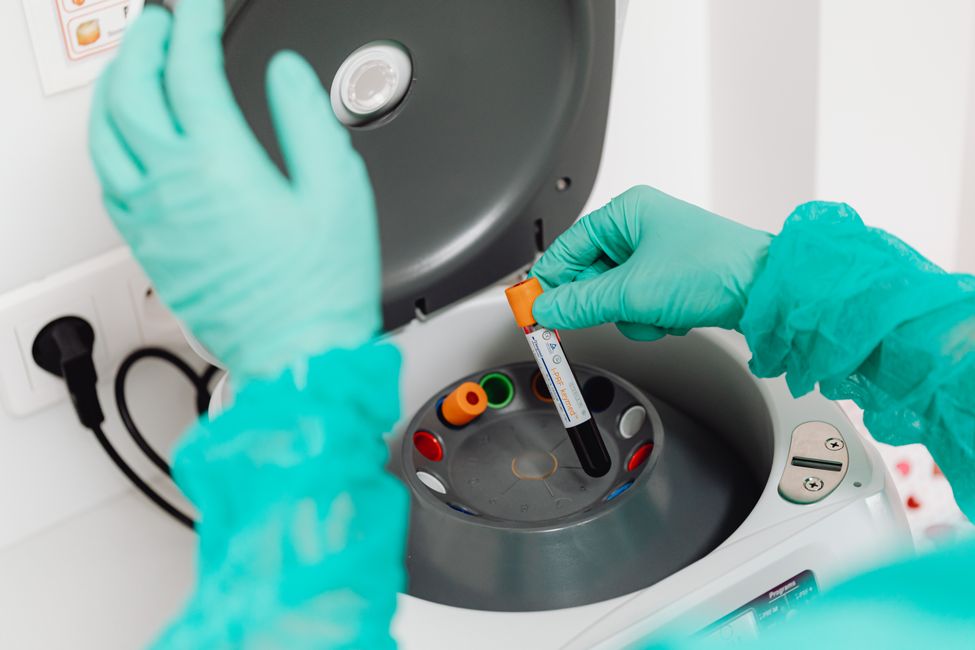
Glioblastoma is one of the most devastating diagnoses in medicine. This aggressive brain cancer typically leaves patients with only months to live, and treatment options have remained stubbornly limited for decades. But a small early trial is offering a thread of hope in an unexpected place: vitamin B3, also known as niacin, a nutrient most of us know from cereal boxes and multivitamin labels.
Researchers recently reported that when high doses of niacin were added to standard glioblastoma treatment, 82% of patients in their small study remained progression-free after six months. That's a notable figure in a disease where time is precious and conventional therapies often fall short. The findings are preliminary, and scientists are quick to emphasise that larger studies are essential before anyone can say whether this approach truly works. Still, the results are intriguing enough to warrant attention.
Why the immune system struggles against glioblastoma
To understand why niacin might help, it's worth stepping back to look at how glioblastoma operates. This cancer doesn't just grow aggressively—it actively suppresses the immune system's ability to fight back. Immune cells that would normally attack tumours get switched off or exhausted when they enter the hostile environment of a glioblastoma. It's as if the cancer creates a shield around itself, leaving the body's natural defences unable to do their job.
That's where the vitamin B3 theory comes in. Researchers believe that niacin may help revive those suppressed immune cells, giving them a second wind to target the cancer. The idea isn't entirely new—scientists have been exploring ways to reawaken the immune system in cancer treatment for years—but using a common vitamin in this way is a fresh angle. Niacin is already well understood, widely available, and generally safe in normal doses, which makes it an appealing candidate for further study.

*Photo: Vitaly Gariev · Pexels*
What the trial showed, and what it didn't
The trial itself was small, which means the results need to be interpreted carefully. A larger group of patients would give researchers more confidence that the effect is real and not down to chance. It's also important to note that the study looked at progression-free survival—meaning the time patients lived without their cancer getting worse—not overall survival. That's still a meaningful measure, especially in a disease as relentless as glioblastoma, but it's not the whole picture.
The dose of niacin used in the trial was high, far beyond what you'd get from food or a standard supplement. High-dose vitamins can have side effects, and what works in a controlled medical setting isn't necessarily safe for people to try on their own. That's a critical distinction. This research is at the stage where it's being tested under close supervision, not something to experiment with at home.
What makes this work compelling is the underlying logic. If niacin can genuinely help immune cells regain their function, it could complement existing treatments rather than replace them. Glioblastoma is typically treated with surgery, radiation, and chemotherapy, but even with all three, outcomes remain poor. Adding a fourth element that works through a different mechanism—boosting the immune response—could potentially improve results without adding the kind of toxicity that comes with more aggressive drugs.
The long road from early promise to proven treatment
It's easy to get swept up in hopeful headlines, especially when the disease in question is so devastating. But the history of cancer research is full of treatments that looked promising early on and then didn't pan out in larger, more rigorous trials. That's not a reason to dismiss this work, but it is a reason to stay grounded. The researchers themselves are calling for bigger studies, and that's the right next step.
*Photo: RF._.studio _ · Pexels*
For families affected by glioblastoma, news like this can stir complicated feelings. Hope is precious, but so is realism. What this study offers is not a cure or even a proven treatment yet—it's a direction worth exploring. It's a reminder that researchers are still searching, still testing new ideas, and still refusing to accept that nothing more can be done.
The fact that the potential answer might lie in something as ordinary as a vitamin feels almost poetic. Science doesn't always work that way, of course. Sometimes the most effective treatments are the most complex. But there's something quietly powerful about the idea that a molecule the body already uses, in doses that are manageable and understood, might offer a new tool in a fight that has felt stuck for so long.
For now, the message is one of cautious interest. The results are early but encouraging. The science makes sense on paper. And the need is undeniable. Whether this approach will hold up under further scrutiny remains to be seen, but it's a thread worth following. For people living with glioblastoma and those who love them, even a thread can matter.
Based on reporting from sciencedaily.com.



Comments
Loading comments…