




Researchers have identified a distinct form of depression connected to the body's internal clock, potentially explaining why some people find little relief from standard antidepressant medication. The subtype, which scientists are calling circadian depression, may affect nearly one in four individuals who experience severe, recurring, or long-lasting depressive episodes, according to ScienceDaily.
The discovery offers a possible answer to a question that has puzzled clinicians and patients alike: why do some people respond well to antidepressants while others see minimal improvement, even after trying multiple medications?
A pattern tied to the body clock
Circadian depression appears linked to disruptions in the natural rhythms that govern sleep, energy, and mood over a 24-hour cycle. People with this subtype often share certain traits: they tend to be night owls, sleep excessively, experience persistent exhaustion, and report more severe symptoms overall.
These patterns suggest the condition operates differently from other forms of depression. While many types of depression can disrupt sleep, circadian depression seems rooted in the timing systems themselves. The body's internal clock influences everything from hormone release to metabolism, and when those rhythms fall out of sync, the effects can be profound.
For those who have struggled through trial after trial of different antidepressants with limited success, this research offers a framework that makes sense of their experience. It's not that the medications are failing entirely, but rather that they may not be addressing the underlying circadian dysfunction.

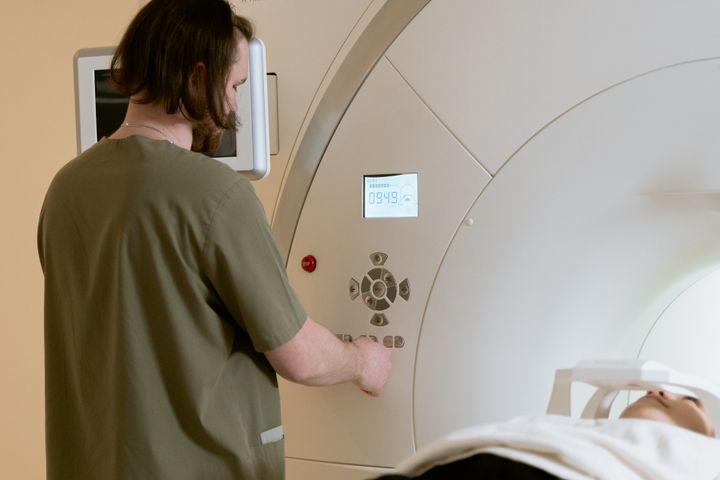
Photo: Ruslan Sikunov · Pexels
Why standard treatments fall short
Traditional antidepressants often work less effectively for people with circadian depression. This insight aligns with other recent findings about how genetic testing could help find the right antidepressant faster, suggesting that depression is not one uniform condition but a collection of subtypes requiring different approaches.
The research also adds nuance to our understanding of excessive sleep and depression. When oversleeping appears alongside night owl tendencies and severe fatigue, it may sometimes be a symptom of a deeper rhythm disorder rather than simply a behavioural pattern. This connection between how sleep controls the body's repair system and mood suggests that disruptions to these natural cycles can cascade into broader health issues.
The identification of circadian depression also reinforces findings that consistent daily schedules are linked to less pain and depression in older people. For younger people with circadian depression, establishing regular sleep-wake patterns may be crucial alongside any other treatment approach.
A clearer path forward
For people who have felt dismissed or confused by their lack of response to treatment, this research validates their experience. It confirms that treatment resistance isn't a personal failure or a matter of not trying hard enough. Instead, it reflects the complexity of depression itself and the need for more personalised approaches.
The findings also matter for clinicians, who now have a clearer framework for identifying patients who might benefit from circadian-focused interventions early in treatment rather than cycling through multiple antidepressants first. Understanding the role of brain cells that create the urge to sleep adds another layer to why timing matters so much in mental health.
As our understanding of depression continues to evolve, this discovery represents a meaningful step toward matching people with the treatments most likely to help them. The connection between internal rhythms and mental health is becoming impossible to ignore, and recognising circadian depression as its own category could spare many people years of frustration and suffering.
For anyone who has struggled with treatment-resistant depression marked by night owl tendencies, excessive sleep, and exhaustion, this research offers hope that more targeted approaches may be on the horizon. If you're experiencing these patterns, support is available.
Listen next

Based on reporting from sciencedaily.com.

For the PodHub Journal. Stories and research on the mind, from the team behind the network's podcasts.

Comments
Loading comments…