Scientists identify brain inflammation switch that could change treatment for dementia and depression
New research reveals blocking a single receptor can calm inflammation in brain tissue, opening doors for repurposed treatments.
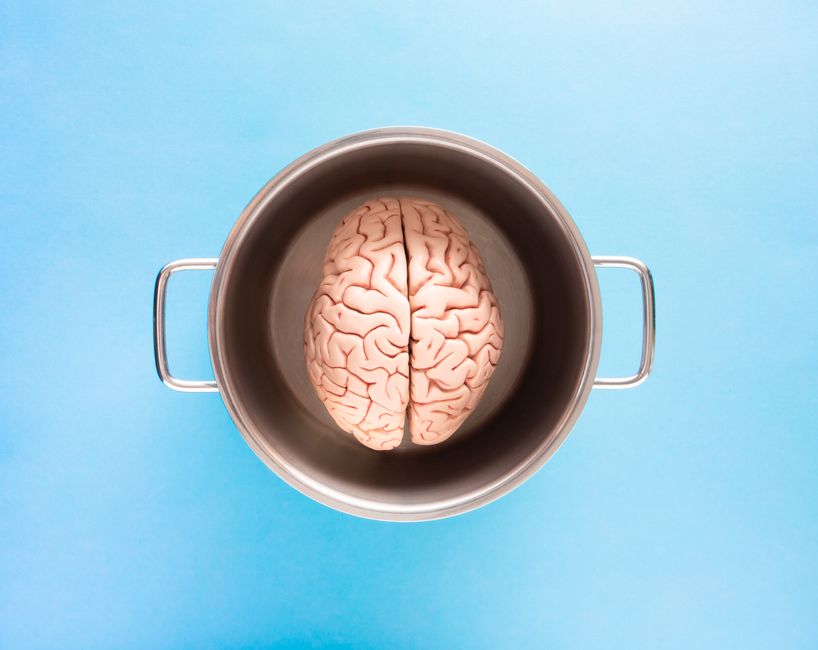
Researchers have identified a molecular target in the brain that, when blocked, dramatically reduces inflammation in human tissue. The discovery centres on a receptor called P2X7, and the findings suggest that existing drugs could potentially be repurposed to treat a wide range of conditions affecting the mind and brain.
The work matters because inflammation in the brain has been increasingly linked to conditions from Alzheimer's and Parkinson's to depression and schizophrenia. Until now, finding safe and effective ways to calm that inflammation without damaging healthy tissue has remained one of neuroscience's stubborn challenges.
A receptor that amplifies inflammation
The P2X7 receptor sits on the surface of certain brain cells. When activated, it triggers inflammatory responses that are meant to protect the brain from injury or infection. But in many neurological and psychiatric conditions, this system appears to go into overdrive, creating chronic inflammation that damages neurons and disrupts normal brain function.
The research team tested what would happen if they blocked this receptor in samples of human brain tissue. The results were striking. Inflammation levels dropped significantly when P2X7 was inhibited, suggesting that this receptor acts as a kind of amplifier for inflammatory signals in the brain.
What makes this discovery particularly promising is that scientists already know of drugs that can block P2X7. Some of these compounds have been tested in clinical trials for other purposes, which means the pathway from laboratory finding to potential treatment could be shorter than usual.
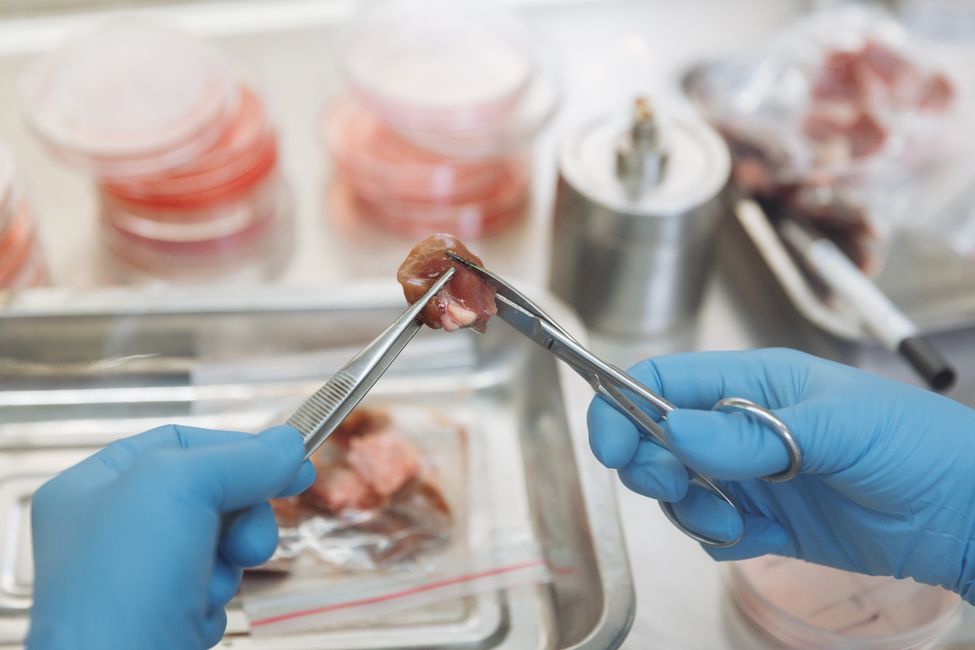
*Photo: Thirdman · Pexels*
From brain injury to mental health
The implications stretch across multiple areas of brain health. Traumatic brain injury often triggers waves of inflammation that continue long after the initial damage, contributing to lasting cognitive problems. Alzheimer's and Parkinson's both involve inflammatory processes that may accelerate the loss of neurons. And emerging research has connected inflammation in the brain to depression and schizophrenia, conditions once thought to be purely chemical imbalances.
The possibility of repurposing existing drugs is significant. Developing a new medication from scratch typically takes over a decade and costs billions. Repurposing means taking a drug that has already cleared safety testing and finding a new use for it. The process is faster, cheaper, and carries less risk because researchers already know how the compound behaves in the human body.
Of course, testing in human brain tissue samples is just one step. The findings will need to be confirmed in living systems and eventually in carefully designed clinical trials. Not every promising laboratory result translates into an effective treatment. But the specificity of the target and the strength of the inflammatory response give researchers reason for cautious optimism.
What this means for understanding the mind
Beyond the immediate treatment possibilities, this research reinforces a shift in how we understand mental and neurological health. For decades, psychiatry focused almost exclusively on neurotransmitters, the chemical messengers that carry signals between brain cells. Depression meant too little serotonin. Schizophrenia meant too much dopamine.
That picture was always incomplete. Inflammation, once seen as a side issue, is now recognised as a major player in brain health. The immune system and the nervous system talk to each other constantly, and when that conversation goes wrong, both mind and body suffer.

*Photo: Santhosh Kanthala · Pexels*
This more integrated view opens new possibilities for treatment. If inflammation contributes to depression in some people, then anti-inflammatory approaches might help where traditional antidepressants have failed. If brain inflammation worsens cognitive decline in dementia, then calming that inflammation early might slow the disease.
The P2X7 receptor represents one specific lever in a complex system. Blocking it won't cure Alzheimer's or erase the aftermath of a brain injury. But it could become part of a broader toolkit, especially for people whose conditions have an inflammatory component.
Why it matters
For anyone living with a neurological condition or supporting someone who is, research like this represents hope that is grounded in biology rather than hype. The brain is extraordinarily complex, but piece by piece, scientists are mapping its vulnerabilities and identifying places where intervention might help.
For those of us interested in mental wellness, the findings are a reminder that the line between brain health and mental health is blurrier than we once thought. Inflammation, stress, sleep, mood, and cognition are all interconnected. Taking care of the whole system matters, and when that system needs help, having more treatment options makes a real difference to real lives.
The path from this discovery to a treatment you could access will take time and careful work. But knowing that researchers are identifying tangible targets, testing them rigorously, and thinking creatively about solutions brings the possibility of better care a little closer.
Based on reporting from sciencedaily.com.


Comments
Loading comments…