Scientists explore surprising gut connection in depression treatment
New research in animals suggests antidepressants might work through the digestive system, not just the brain.
For decades, we've understood antidepressants as medications that work primarily in the brain. But a new study is challenging that assumption in an unexpected way, suggesting that the gut may play a more central role in how these medications ease depression and anxiety than anyone previously thought.
Researchers have found in animal studies that boosting serotonin specifically in the cells lining the gut reduced behaviors associated with depression and anxiety. What makes this particularly interesting is that this approach didn't produce the cognitive or digestive side effects often seen with traditional antidepressants.
The findings open up questions about where and how antidepressants actually do their work in the body, and whether targeting the gut directly might one day offer a different path forward for treatment.
The gut-brain conversation
The idea that our digestive system and our emotional state are connected isn't entirely new. Most of us have felt butterflies in our stomach when nervous, or lost our appetite during times of stress. Scientists have been exploring the gut-brain axis for years, recognizing that these two systems communicate constantly through nerves, hormones, and immune signals.
What this latest research adds is more specific evidence about serotonin's role in that conversation. Serotonin is a chemical messenger that's become almost synonymous with antidepressant treatment. Most people know that medications like SSRIs (selective serotonin reuptake inhibitors) work by affecting serotonin levels. What's less widely known is that the vast majority of the body's serotonin is actually found in the gut, not the brain.
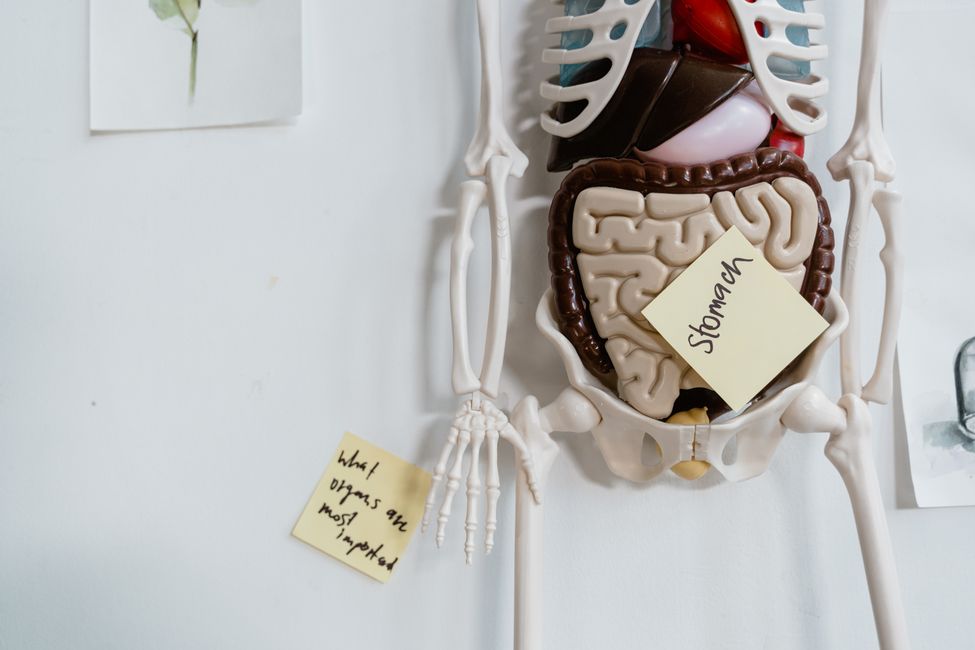
*Photo: MART PRODUCTION · Pexels*
The researchers in this study worked with animal models to test what would happen if they increased serotonin only in the enterochromaffin cells, which are specialized cells that line the intestines. These cells produce and release serotonin in response to various signals from food, microbes, and other factors in the gut environment.
Different results, fewer side effects
When serotonin was boosted in these gut cells, the animals showed reduced signs of anxiety and depression-like behaviors. Importantly, this happened without the side effects that often accompany conventional antidepressants that work throughout the brain and body.
Common side effects of traditional antidepressants can include digestive problems, changes in appetite, sleep disturbances, and cognitive effects like difficulty concentrating or emotional blunting. The fact that targeting serotonin in the gut alone didn't produce these effects suggests that location matters tremendously when it comes to how these medications affect us.
This doesn't mean current antidepressants are working in the wrong place. For many people, these medications are genuinely helpful and sometimes life-saving. But it does suggest there might be multiple pathways to achieving similar results, and that understanding these pathways better could lead to treatments with different profiles of benefits and side effects.
*Photo: Artem Podrez · Pexels*
What this means going forward
It's important to note that this research was conducted in animals, not humans. The journey from promising animal studies to treatments that work safely and effectively in people is long and complex. Many findings in animal research don't translate directly to human medicine.
Still, the work adds to a growing body of evidence that the gut plays a significant role in mental health, and that this relationship is worth taking seriously. It suggests that researchers and clinicians might benefit from thinking more broadly about where and how interventions for depression and anxiety could work.
For people currently taking antidepressants or considering them, this research doesn't change anything about treatment today. These are early-stage findings that will need years of further study. But it's a reminder of how much we're still learning about depression, anxiety, and how to treat them effectively.
The study also fits into a larger shift in how we understand mental health, moving away from seeing it as purely a brain phenomenon and recognizing the whole body's involvement. Our digestive system, our immune system, our sleep patterns, our physical activity levels, all of these interact with our emotional wellbeing in ways we're only beginning to map.
For those of us interested in mental wellness, whether as podcasters sharing information or individuals navigating our own mental health, this research offers a helpful reminder that the story is always more complex and more interesting than any single explanation. The fact that something as seemingly unrelated as our gut lining might influence our mood speaks to how interconnected our systems really are.
The work continues, and each new piece of understanding brings us closer to more effective, personalized approaches to supporting mental health in all its complexity.
Based on reporting from sciencedaily.com.

Comments
Loading comments…