
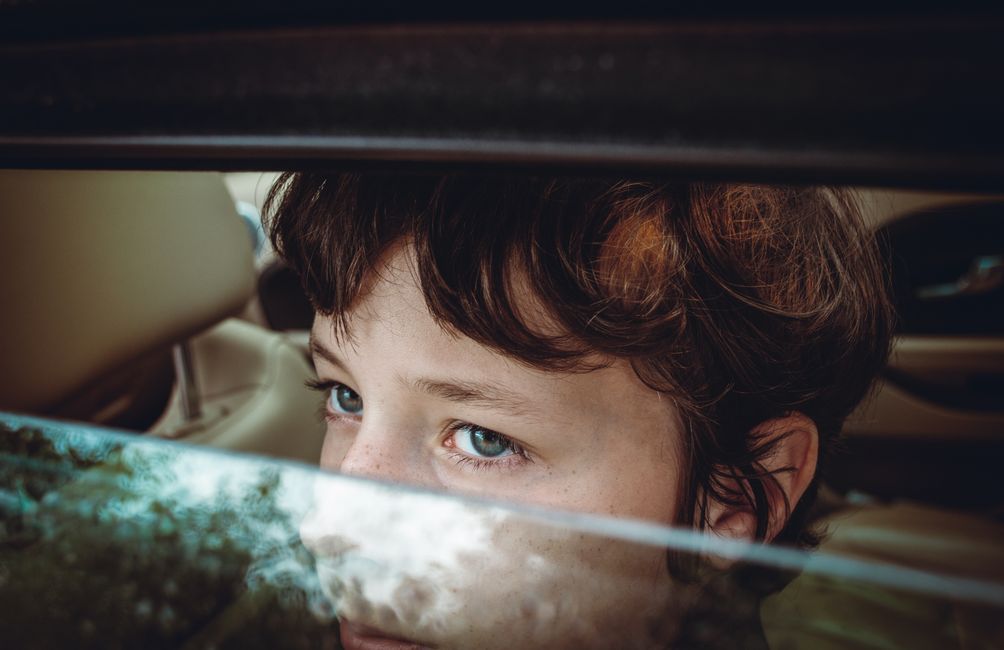
Scientists have long known that some autistic people find it harder to recognize faces or read emotions from facial expressions. Now a significant new study is changing how we understand why that happens, and when those differences begin.
The research reveals that the autistic brain processes faces in ways that diverge from typical development, and those differences may start much earlier in childhood than researchers previously realized. Rather than a simple delay or deficit, the findings point to a fundamentally different developmental path.
How facial recognition typically develops
As children grow, their brains become increasingly specialized at recognizing faces. Certain brain signals associated with face processing grow stronger and more refined over time. This specialization is part of typical neurological development, helping us quickly identify people we know and pick up on subtle emotional cues from facial expressions.
The new study tracked these brain signals in both neurotypical and autistic children. What the researchers found was striking. In neurotypical children, the expected pattern held: brain responses to faces became more specialized as the children got older. But in autistic children, those same signals showed much less change over time.
This doesn't mean autistic children aren't developing. Their brains are simply following a different trajectory when it comes to processing faces. The specialization that happens automatically in neurotypical development appears to unfold differently, or perhaps not at all, in many autistic children.
Photo: MART PRODUCTION · Pexels
What this means for understanding autism
The timing of these differences matters. By showing that distinct patterns of face processing emerge early in development, the research challenges older assumptions that social difficulties in autism were primarily learned or environmental. Instead, it suggests these differences have neurological roots that appear in childhood.
This could help explain why facial recognition and emotion reading vary so widely among autistic people. Some navigate social situations with ease, while others find interpreting faces exhausting or confusing. The research points to real biological variation in how individual brains develop these capacities.
For families and educators, the findings offer a framework for understanding why a child might struggle with tasks that seem automatic to others. It's not a matter of not paying attention or not caring. The brain is genuinely processing the information differently.
The study also opens questions about what this means for intervention and support. If these differences begin early and reflect a distinct developmental path rather than a delay, it suggests we need approaches that work with how autistic brains actually function, rather than trying to force them toward a neurotypical model.

Photo: Antonius Ferret · Pexels
A broader view of neurodiversity
This research arrives at a moment when our cultural understanding of autism is shifting. More people are recognizing that autism isn't simply a collection of deficits to be corrected, but a different way of being in the world, with its own strengths and challenges.
The face processing findings fit into that picture. Yes, some autistic people find reading faces difficult. But that difficulty stems from real neurological differences, not from lack of social interest or emotional capacity. Many autistic people report rich inner emotional lives, even when they struggle to decode others' facial expressions.
It's worth remembering that facial recognition is just one element of social connection. People communicate in many ways: through words, tone of voice, shared interests, and simply spending time together. Autistic people often excel at forms of communication that don't rely on reading subtle facial cues.
The research team behind this study used a large sample, which makes the findings more robust. Major studies like this one build the foundation for better understanding and, eventually, better support.
Why this matters
For anyone who podcasts about mental health, neurodiversity, or child development, this research offers an important update to how we talk about autism. The language of "processing differently" is more accurate than older deficit-based frameworks.
For parents of autistic children, the findings may bring a sense of clarity. When a child doesn't respond to facial expressions the way you expect, it reflects something real about how their brain works, not a failure of parenting or connection.
And for autistic adults, research like this can validate lived experience. Many have long known that faces don't speak to them the way they seem to speak to others. Now neuroscience is catching up to what they've understood all along.
The study reminds us that brains develop along many paths, not just one. Understanding those differences doesn't mean pathologizing them. It means building a world where different kinds of minds can thrive.
Based on reporting from sciencedaily.com.


Comments
Loading comments…