
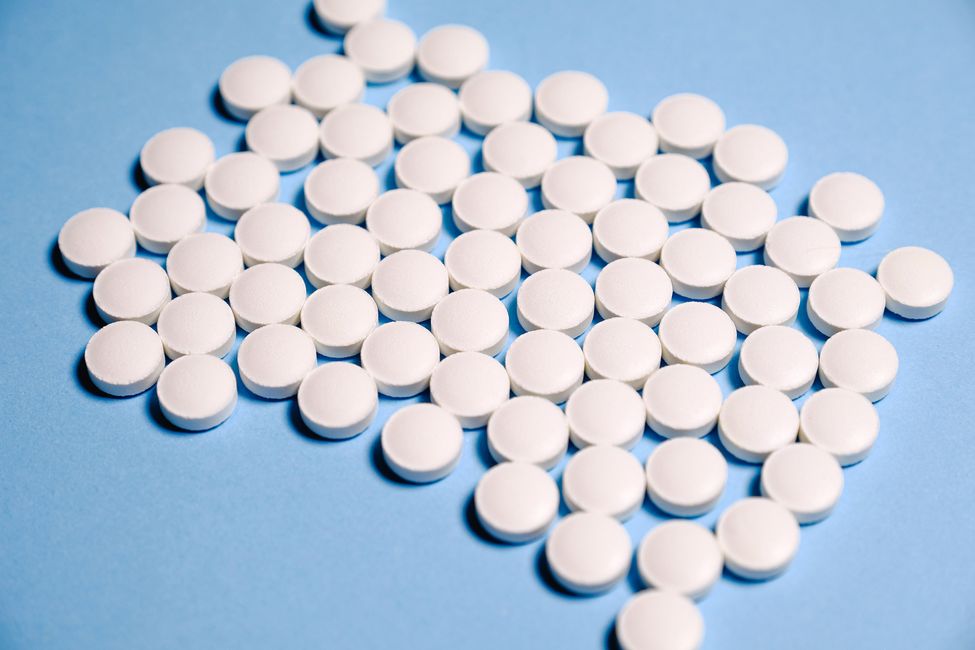
For years, scientists have been searching for accessible ways to protect against dementia. A new study has uncovered something surprising about a medication millions of people already take: low-dose aspirin might significantly reduce dementia risk, but only if you carry certain genes.
Researchers found that older adults with a particular genetic profile showed a 70% lower relative risk of developing dementia when they took low-dose aspirin regularly. This finding is striking because earlier research found no protective effect when looking at the general population as a whole. The difference appears to come down to individual genetics, which could explain why aspirin seems to help some people but not others.
The genetic piece of the puzzle
The discovery highlights something we're learning across medicine: what works for one person may not work for another, and our genes often hold the key to understanding why. In this case, having a specific genetic profile appeared to make all the difference in whether aspirin offered protection against dementia.
This isn't about aspirin being a miracle cure. Rather, it suggests that personalised approaches to brain health might be more effective than one-size-fits-all solutions. The researchers focused on low-dose aspirin, the kind many older adults already take for heart health, making this an especially practical finding if it holds up in further studies.

Photo: Kampus Production · Pexels
Previous studies on aspirin and dementia haven't shown clear benefits across entire populations. That led many researchers to conclude aspirin probably didn't help with cognitive decline. But this new work suggests those earlier studies might have missed something important by not accounting for genetic differences. When everyone is grouped together, the strong benefit in some people gets diluted by the lack of benefit in others.
What this means in practice
The findings raise intriguing possibilities, but also important questions. We don't yet know exactly which genes are involved or how common this protective genetic profile is in the population. The research also doesn't tell us whether people should start taking aspirin specifically to prevent dementia.
Aspirin, despite being widely available and inexpensive, isn't without risks. It can increase the chance of bleeding, particularly in the stomach and brain. For some people, especially older adults, those risks can be serious. This is why doctors carefully weigh up whether the benefits of aspirin outweigh the potential harms for each individual patient.
What makes this research valuable is not that it gives us a simple answer, but that it points toward a more sophisticated understanding of dementia prevention. It suggests that genetic testing could one day help identify who might benefit from certain preventive strategies and who might not.

Photo: Google DeepMind · Pexels
The study also reminds us how complex brain health is. Dementia doesn't have a single cause, and it likely won't have a single solution. Genetics, lifestyle, medication, underlying health conditions, and factors we haven't even identified yet all seem to play roles. Understanding how these pieces fit together takes time and careful research.
A step toward personalised brain health
This work is part of a broader shift in how we think about preventing age-related conditions. Rather than looking for universal interventions that work for everyone, researchers are increasingly interested in matching specific treatments to specific people based on their individual characteristics.
For now, anyone taking aspirin or considering it should do so in consultation with their doctor, who can weigh up the potential benefits and risks based on their complete health picture. This research doesn't change that fundamental guidance. What it does is add one more piece to the larger puzzle of understanding how we might protect our brains as we age.
The fact that such a common, affordable medication showed such a strong protective effect in a subset of people is encouraging. It suggests that effective dementia prevention strategies don't necessarily have to be expensive or complicated. They just need to be thoughtfully matched to the right people.
As genetic testing becomes more accessible, we might see more of this kind of personalised approach to brain health. Rather than everyone following identical advice, people could receive guidance tailored to their own genetic makeup, medical history, and risk factors.
For anyone working in health communication or podcasting, this research offers a useful example of how nuanced medical findings can be. The headline numbers are dramatic, but the real story lies in understanding who those numbers apply to and what they mean in context. It's a reminder that the most helpful health information often comes with important caveats and that personalisation might be the future of prevention.
Based on reporting from sciencedaily.com.



Comments
Loading comments…