
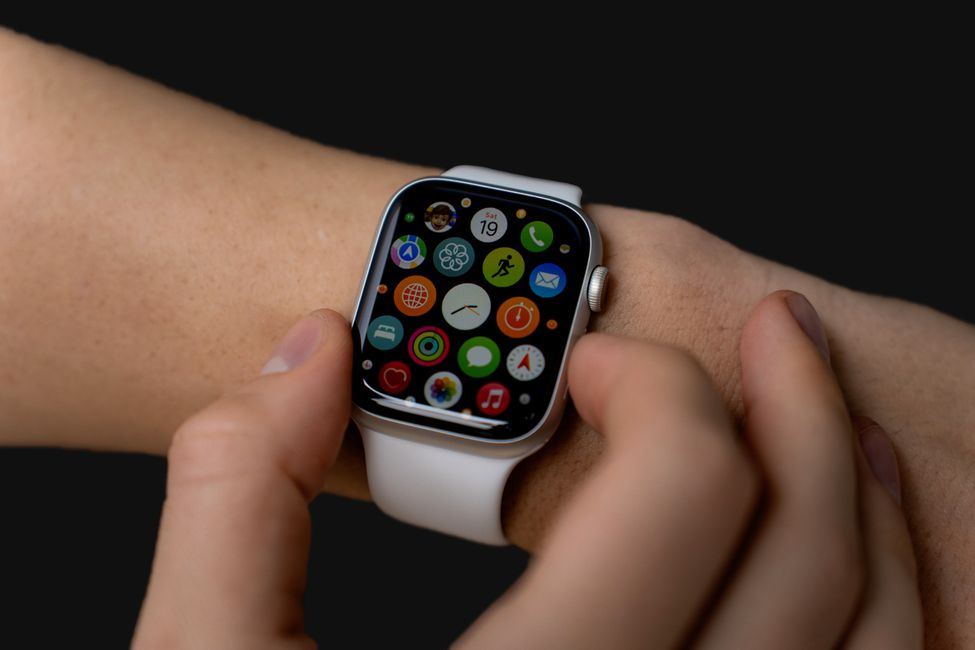

Researchers at the University of Texas have created a wearable patch that uses gentle ultrasound waves to help people reach REM sleep faster and stay there longer, without medication or surgery. In early trials, participants wearing the device entered REM sleep an average of 43 minutes sooner and remained in that restorative stage for 16 minutes longer than usual.
The technology works by sending soft ultrasound pulses through the skin to stimulate deep brain regions involved in sleep regulation. Unlike pills or invasive procedures, the patch sits on the body and does its work from outside, making it a potentially gentler option for people struggling with sleep quality.
How the patch affects the sleeping brain
REM sleep, often called dream sleep, is when our brains process emotions and consolidate memories. During this stage, the brain is highly active while the body remains still. Getting enough of it matters for mood, learning, and mental resilience.
The Texas team found that their ultrasound patch did more than just speed up the journey into REM. Early results also showed promising effects on stress regulation and the brain circuits that handle emotion, though the researchers are still studying exactly how these changes unfold over time.

Photo: cottonbro studio · Pexels
This kind of technology builds on a growing understanding of how deep sleep helps the body heal itself and repair. While that earlier research focused on the physical restoration that happens during non-REM stages, this new patch targets the emotional and cognitive benefits tied specifically to REM.
A different approach to sleep problems
Many people turn to medication when sleep becomes a problem, but drugs often come with side effects or the risk of dependence. Others try behavioural changes like cutting out evening coffee that might be stealing deep sleep, or practices like meditation, which has been shown to reshape the brain in just seven days.
This ultrasound patch offers a third path. It sits somewhere between lifestyle adjustments and medical treatment, using physics rather than chemistry to influence what happens in the brain. The approach mirrors other recent innovations in neurotechnology, like a tiny device that eases chronic pain without wires, which also works from outside the body to change what happens inside.
The Texas researchers are careful to say this is early-stage work. They have shown the patch can influence sleep timing and duration in controlled conditions, but questions remain about how well it works across different people, over longer periods, and in real-world settings where sleep gets disrupted by stress, noise, or irregular schedules.
What it could mean for stress and emotion
One of the more intriguing findings involves how the patch appears to affect emotional regulation. The brain circuits that handle stress and emotion are intimately connected to sleep, particularly REM sleep. When we don't get enough of it, stressful moments can stick with us more intensely, making it harder to process difficult experiences.
If the patch can genuinely improve both the quantity and quality of REM sleep, it might offer indirect benefits for people dealing with ongoing stress or emotional challenges. That possibility needs more study, but it points to why sleep technology matters beyond just feeling rested.

Photo: cottonbro studio · Pexels
The researchers published their findings through ScienceDaily, and they are continuing to refine the device and test it with larger groups. Questions about cost, accessibility, and long-term safety will need answers before this becomes something people can use at home.
For now, the patch represents another step in understanding how we might support the brain's natural rhythms without relying solely on pills or invasive procedures. The idea that a gentle physical intervention could help the mind rest more fully feels quietly hopeful, especially for anyone who has spent long nights wishing sleep would come sooner and last longer.
Listen next


Based on reporting from sciencedaily.com.

For the PodHub Journal. Stories and research on the mind, from the team behind the network's podcasts.


Comments
Loading comments…