A seed-sized device could ease chronic pain without surgery or wires
Researchers are testing a wireless implant no bigger than a grain of rice that may offer new hope for people living with persistent pain.
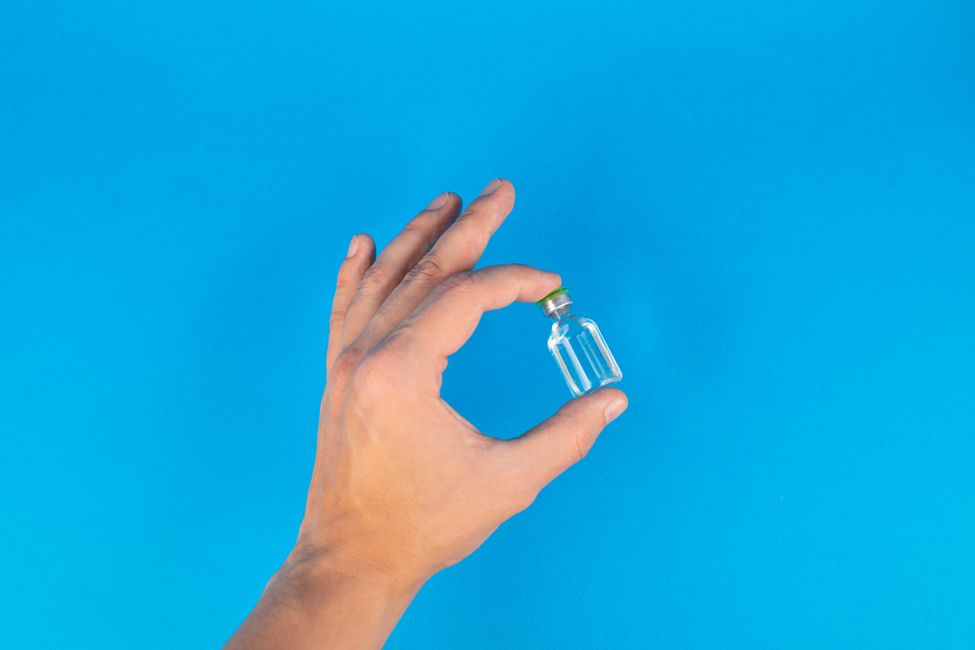
Living with chronic pain changes everything. It shapes your day before you're fully awake, influences every plan you make, and quietly rewrites what feels possible. For millions of people, current treatments involve a difficult calculus of side effects, invasive procedures, or simply learning to endure.
Now scientists have created something surprisingly small that might shift those options. Researchers have developed an implantable device, about the size of a seed, that can modulate nerve activity to treat chronic pain and certain movement disorders. What makes it different is what it doesn't need: no batteries to replace, no wires threading through tissue, and no major surgery to put it in place.
How it works without the usual trade-offs
The device operates on a principle that sounds almost futuristic but builds on established physics. Instead of relying on an internal power source that would eventually run down or require replacement, it draws energy wirelessly from outside the body. This means the technology can remain functional indefinitely without the complications that come with battery-operated implants.
Traditional neuromodulation devices, the kind already used for conditions like Parkinson's disease or severe chronic pain, typically require surgical implantation and periodic battery changes. Those procedures carry risks and recovery time. The new approach uses an injection method instead, making placement far less invasive.

*Photo: Polina Tankilevitch · Pexels*
The device targets nerve activity directly, working at the source of certain pain signals or movement disruptions rather than masking symptoms at a higher level. According to the team behind the technology, early testing has shown promising results, though it's important to note that this work is still in its research phase.
What this could mean for people who hurt
Chronic pain affects somewhere between one in five and one in three adults, depending on how it's measured. It often resists standard treatments, and the medications that do help frequently come with their own burden: dependency risks, cognitive fog, digestive trouble, or diminishing returns over time.
For someone navigating that landscape, a device that works continuously without the need for daily pills or repeated procedures represents a fundamentally different kind of option. It won't be right for everyone or every type of pain, but it adds a potential pathway that didn't exist before.
The same technology shows potential for movement disorders, conditions where the nervous system sends signals that cause involuntary muscle activity or interfere with normal motion. These disorders can be isolating and exhausting, and current treatments often involve a similar trade-off between benefit and burden.


Comments
Loading comments…