Ultrasound patch shows promise for deeper, longer REM sleep
A wearable device helped people reach dream sleep faster and stay there longer, with hints it may ease stress and support emotional health.

Researchers have developed a wearable ultrasound patch that appears to help people enter REM sleep more quickly and sustain it for longer periods, all without medication or invasive procedures. The finding offers a glimpse of how non-drug approaches might one day support the restorative sleep that underpins mental and emotional wellbeing.
In a study involving 28 participants, the device reduced the time it took to reach REM sleep by 43 minutes on average and extended the duration of REM by roughly 16 minutes. Beyond the sleep metrics, researchers noted signs that the technology may influence stress regulation and alter activity in brain circuits associated with emotion processing.
What makes REM sleep matter
REM sleep, the stage characterised by rapid eye movement and vivid dreaming, plays a crucial role in emotional regulation, memory consolidation and cognitive function. When we don't get enough of it, we may feel more irritable, struggle to process difficult emotions or find it harder to learn and retain information.
Many people experience disrupted REM sleep due to stress, anxiety, irregular schedules or underlying sleep disorders. Traditional interventions often involve medications that come with side effects or require ongoing use, and some people are reluctant to take that route. The appeal of a wearable patch lies in its potential to offer support without those trade-offs.
The technology uses ultrasound waves delivered through a patch worn on the body. While the study didn't detail exactly how the ultrasound influences sleep architecture, the results suggest it may gently nudge the brain toward the deeper stages of rest that many of us miss out on.

*Photo: Nutrisense Inc · Pexels*
Early findings and emotional health
What stands out in this research is not just the sleep improvement itself, but the hints of broader effects on emotional wellbeing. The researchers observed changes in brain circuits tied to emotion, alongside indications of better stress regulation among participants.
These observations are preliminary, but they point to something many sleep scientists already know: quality sleep and emotional health are deeply intertwined. When we sleep well, we're better equipped to navigate difficult feelings, respond thoughtfully rather than reactively, and maintain a sense of balance through daily challenges.
The study's sample size was relatively small, and much more work is needed to understand how the patch works, who it might help most, and whether the benefits hold up over time. Still, the early data is encouraging for anyone interested in tools that support mental wellness without relying solely on pharmaceuticals.
A different kind of sleep aid
The landscape of sleep technology has expanded rapidly in recent years, from apps that track your rest to light therapy devices and sound machines. What sets this ultrasound patch apart is its direct, physical approach to influencing sleep stages rather than simply creating a better environment or monitoring what's already happening.
For people who podcast about mental health, sleep science or personal wellbeing, this kind of development raises interesting questions. How do we balance excitement about innovation with the need for rigorous, long-term evidence? What does it mean to intervene in something as natural as sleep, even in a non-invasive way? And how do we ensure new tools reach people who need them most, rather than becoming expensive luxuries?
The patch is still in the research phase, so it's not something anyone can try today. But the principle behind it—that we might support sleep through gentle, wearable technology—feels aligned with a broader shift toward preventive, personalised approaches to mental wellness.
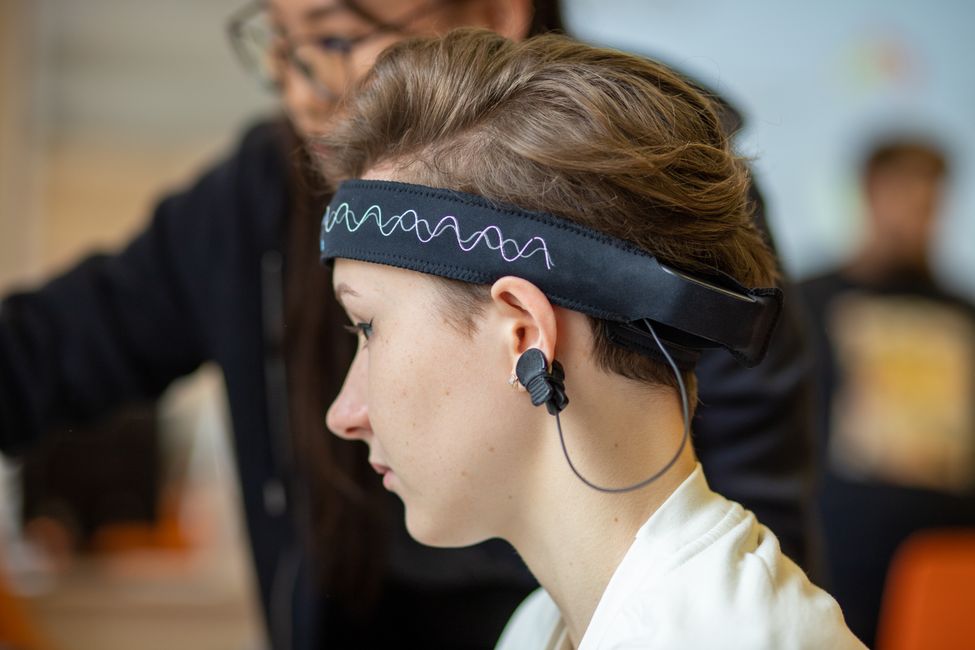
*Photo: Михаил Крамор · Pexels*
Why this matters
Sleep is one of the most fundamental pillars of mental health, yet it's often the first thing to suffer when life gets demanding. Tools that help us sleep better without unwanted side effects could have ripple effects across mood, relationships, work and overall quality of life.
For podcasters exploring themes of rest, recovery and resilience, this research offers a tangible example of how science is searching for gentler interventions. It's a reminder that supporting our minds doesn't always require dramatic measures—sometimes it's about finding small, sustainable ways to work with our biology rather than against it.
The ultrasound patch study is a single piece in a much larger puzzle, but it points toward a future where we have more options for protecting the sleep our minds need to heal, process and grow.
Based on reporting from sciencedaily.com.

Comments
Loading comments…