



Researchers have developed a nasal treatment that restored youthful memory and learning in aging mice and protected mice with Alzheimer's-like disease from severe cognitive decline. The nose drops use technology similar to mRNA vaccines to trigger production of a brain-protecting protein, achieving these results without removing the brain plaques typically associated with Alzheimer's disease. The discovery suggests a fundamentally different path for protecting brain function as we age, one that strengthens neurons rather than simply trying to clear away disease markers.
How the treatment works
The nasal drops deliver instructions similar to those used in COVID-19 mRNA vaccines, but instead of teaching the body to fight a virus, they guide brain cells to produce more of a naturally occurring protein that protects neurons. This protein strengthens the connections between brain cells and supports the processes underlying memory.
When the treatment was given to aging mice, their learning and memory performance returned to levels seen in younger animals. In mice bred to develop Alzheimer's-like disease, the nose drops prevented the severe memory loss that typically appears as the condition progresses.
What makes the results particularly striking is that the brain-protecting effects happened without reducing the amyloid plaques that have been the focus of most Alzheimer's research for decades. The findings align with other recent work, including research on a brain protein that protects against Alzheimer's damage in mice, suggesting that supporting neuron health directly may matter more than clearing plaques alone.
Photo: Anna Tarazevich · Pexels
A different approach to cognitive decline
Most Alzheimer's treatments in development have focused on removing or preventing the buildup of protein plaques in the brain. The new approach sidesteps that strategy entirely. By strengthening neurons and their connections, the treatment appears to help the brain maintain function even when plaques are present. This aligns with growing evidence that brain resilience matters as much as removing disease markers.
Other research has explored various angles on brain aging, from how carrying extra weight may speed up brain aging to a simple amino acid showing promise for memory. The nose drop method adds another tool to the emerging toolkit for protecting cognitive function.
Why nasal delivery matters
Delivering treatment through the nose offers practical advantages. The nasal route provides a direct path to the brain, bypassing the blood-brain barrier that blocks many medicines from reaching brain tissue.
The technology borrows from the success of mRNA vaccines but adapts it for a completely different purpose. Instead of fighting infection, it supports the brain's own protective mechanisms.
From mice to humans
These results come from mouse studies, which means years of additional research lie ahead before anyone knows whether the treatment will work safely in people. Mice age differently than humans, and their version of Alzheimer's-like disease does not perfectly mirror the human condition.
Still, the findings open up questions worth pursuing. If a protein can be boosted to protect neurons, might there be other natural brain-protecting factors that could be enhanced? Could similar treatments support brain cells that create the urge to sleep or other essential functions as we age?
The research also joins other work exploring how different body systems influence brain health, including studies on how liver rejuvenation affects Alzheimer's proteins.
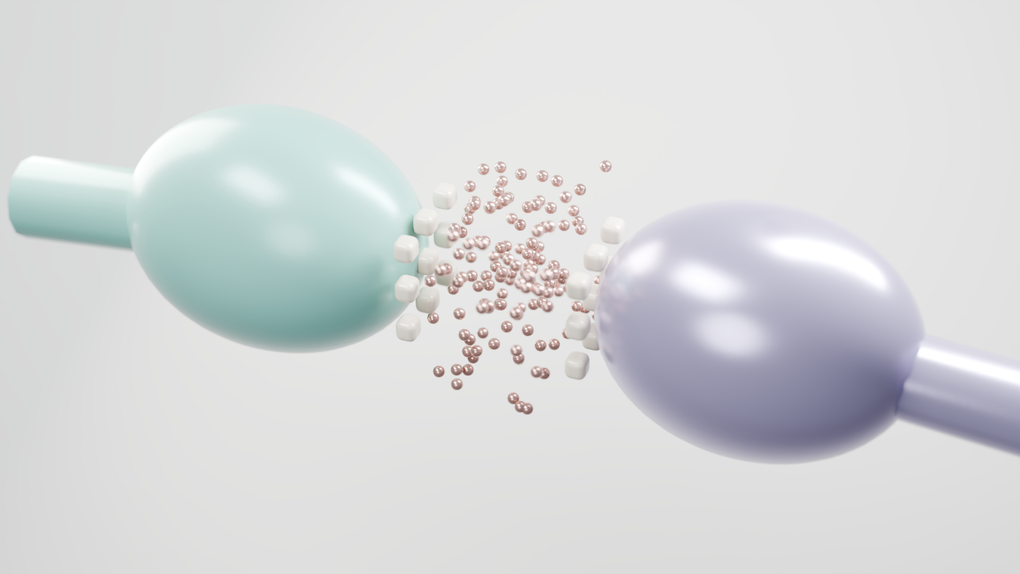
Photo: Santhosh Kanthala · Pexels
What this means
For podcasters exploring health and science, this study represents a shift in how researchers think about Alzheimer's and aging. The focus moves from attacking disease markers to supporting brain resilience, a more hopeful frame that opens up new possibilities.
For anyone watching a loved one navigate memory changes or worrying about their own cognitive future, the research offers a reminder that scientists continue searching for better answers. The fact that neurons responded and memory improved in these mice, even without removing plaques, suggests the aging brain may have more capacity for protection and repair than we have understood.
Listen next
 Mind Over MasculinityProtect Your Mind and Your Money: Security Without Paranoia with Robert Siciliano32 min
 The Mindful JourneyHealthy Aging Without the Hype: Plant-Based Living, Stress Resilience, and Simple Longevity Rituals with Michael Dorfman29 min
 The Mindful LivingVibrant Aging Without the Hype: Blue Zones, Plant-Based Living, and Mindset Shifts for Longevity with Michael Dorfman30 min
Based on reporting from sciencedaily.com.

For the PodHub Journal. Stories and research on the mind, from the team behind the network's podcasts.


Comments
Loading comments…