Key takeaways
- We show that sleeping eight hours can still leave you exhausted if emotional rest is lacking.
- I describe how suppressing emotions keeps cortisol high and prevents deep, restorative sleep stages.
- We explain that digital overload and attention deficit trait induce chronic sympathetic arousal and cognitive drain.
- I argue modern dating and parasocial bonds trigger attachment wounds and lock the nervous system in fight mode.
- We present neuro wellness solutions, from vagus nerve devices to nature therapy, that restore safety and regulation.
Show notes
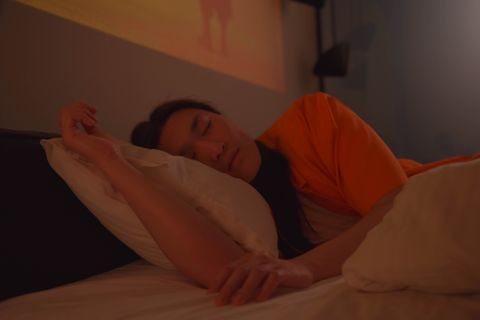
We assert that persistent exhaustion arises not from insufficient sleep hours but from a nervous system chronically held in threat because emotional rest is missing. We show that suppressing feelings severs communication between the prefrontal cortex and the amygdala, which prevents deep restorative sleep. We trace how digital overload, attention deficit trait, and modern dating dynamics keep cortisol high and force the brain into light, defensive sleep. We present evidence for targeted interventions, including vagus nerve stimulation and EEG‑guided sleep aids, alongside somatic therapy, time in nature, and communal joyful practice. We conclude that true physical recovery requires emotional safety and nervous system regulation, not merely better mattresses or more tracking. We urge you to reduce digital stress, seek authentic connection, and restore safety so your brain can finally stop running an invisible marathon.
- We show that sleeping eight hours can still leave you exhausted if emotional rest is lacking.
- I describe how suppressing emotions keeps cortisol high and prevents deep, restorative sleep stages.
- We explain that digital overload and attention deficit trait induce chronic sympathetic arousal and cognitive drain.
- I argue modern dating and parasocial bonds trigger attachment wounds and lock the nervous system in fight mode.
- We present neuro wellness solutions, from vagus nerve devices to nature therapy, that restore safety and regulation.
- I warn that overquantifying sleep and wellness creates performance anxiety and worsens chronic exhaustion rather than resolving it.
- Global Wellness Summit
- Wildflower Center for Emotional Health
- International Journal of Indian Psychology
- Harvard Graduate School of Education
- Pulsetto
- Elemind
- YouTube
More on burnout

Listener reviews.
Ratings and comments left here on podhub.club. Ratings from Apple Podcasts, Spotify and PodMatch are on the show page.
Loading reviews…
About this episode
What is "We Explain How Suppressed Emotion Sabotages Deep Sleep" about?
We assert that persistent exhaustion arises not from insufficient sleep hours but from a nervous system chronically held in threat because emotional rest is missing. We show that suppressing feelings severs communication between the prefrontal cortex and the amygdala, which prevents deep restorative sleep.
Who hosts Feeling Human?
Feeling Human is hosted by Swati. It is one of the shows on PodHub, the podcast network by Healthy Mind by Avik.
How long is this episode, and when was it released?
It runs 24 min and was released on 8 Oct 2026.
Where can I listen to it?
You can play it on this page, or on Apple Podcasts, Spotify and the show's website.
More from this show.
See all episodesWe Face Burnout: How Nature and AI Restore Focus
25 min
 9 Oct 2026
We Turned Off the Idling Engine: How I Began a Digital Detox
21 min
 8 Oct 2026
We Are Not Smartphones: How We Reclaim Our Bodies from Burnout
22 min
 8 Oct 2026
We Explain Why Dating Apps Leave Us Lonely
20 min
 8 Oct 2026
We Expose the Loneliness Paradox: Hyperconnected Yet Isolated Ages 30–44
23 min
 8 Oct 2026
We Explain Why Your Sleep Tracker Triggers Stress
19 min
 8 Oct 2026
We Expose the Loneliness Epidemic of the Digital Age
24 min