
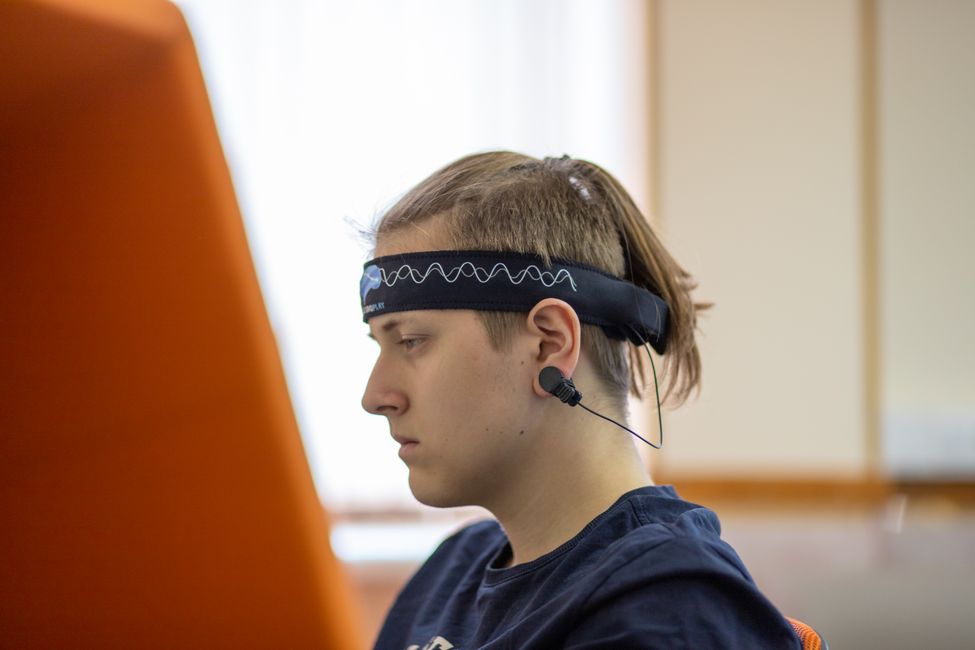
What if your brain could send out a quiet warning about dementia years before you noticed anything wrong with your memory? That possibility is closer than it sounds. Scientists have found a way to measure how fast your brain is aging while you sleep, and the findings suggest this measurement could help identify people at higher risk of dementia long before any symptoms show up.
The discovery comes from a study that used machine learning to analyse the sleeping brains of roughly 7,000 adults. Researchers looked at EEG recordings, the kind of brainwave patterns that doctors have been measuring for decades, but this time they fed that data into an algorithm designed to estimate biological brain age. What they found was striking: when someone's brain appeared older than their actual age, their risk of developing dementia climbed sharply.
A Clock Hidden in Sleep
We already know that biological age and chronological age don't always match. You might be fifty on paper but have the heart health of someone ten years younger, or vice versa. The brain works the same way. Some brains age more gracefully than others, and this study suggests that those differences show up in the electrical rhythms of sleep.
The researchers trained their machine learning model to recognise patterns in EEG data that correspond with different stages of brain aging. Once the model learned what a typical 60-year-old brain looks like during sleep, for instance, it could then estimate the brain age of any participant based on their recordings. When that estimated age was significantly older than the person's real age, it raised a red flag.
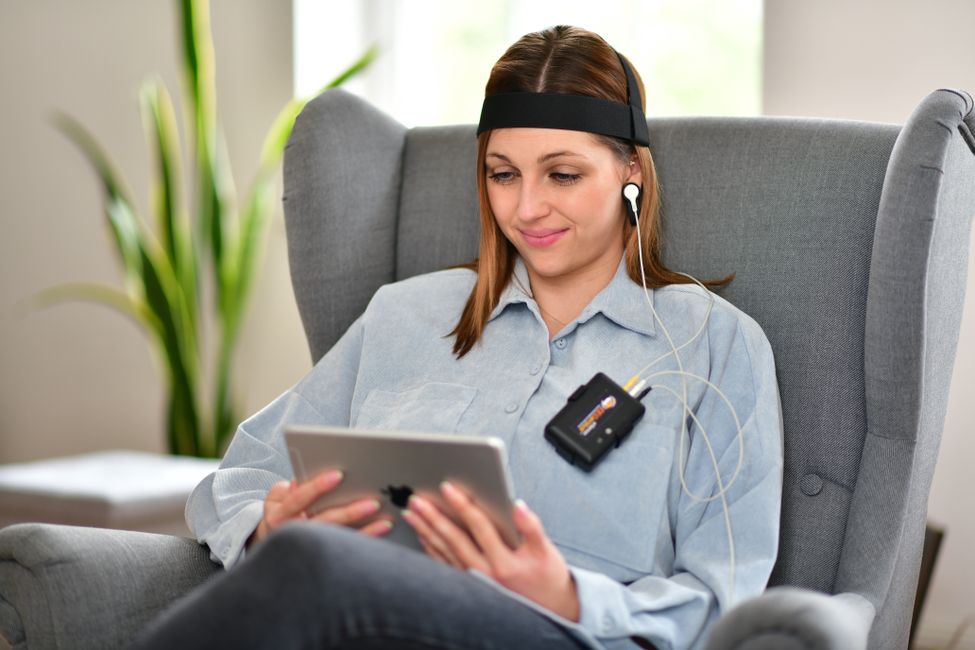
*Photo: Mindfield Biosystems Ltd. · Pexels*
The numbers tell a sobering story. For every additional ten years of brain aging beyond a person's actual age, the risk of dementia increased by nearly 40 per cent. That's a substantial jump, and it points to something measurable happening in the brain well before confusion or memory loss become obvious to the person or their loved ones.
Why Sleep Matters for the Brain
Sleep has always been a window into brain health, but we're only beginning to understand just how revealing that window can be. During sleep, the brain goes through essential maintenance work. It clears out waste products, consolidates memories, and resets neural circuits for the next day. When those processes falter, the effects ripple outward, sometimes in ways that don't become visible for years.
EEG captures the brain's electrical activity in real time, picking up the rhythms and patterns that accompany different sleep stages. These patterns change as we age, but they also change when something goes wrong. The machine learning approach in this study essentially learned to spot the difference between normal aging and the kind of accelerated aging that might signal trouble ahead.
What makes this approach particularly interesting is that it relies on something relatively simple and non-invasive. EEG technology has been around for decades. It doesn't require expensive scans or invasive procedures. If this kind of analysis becomes more widely available, it could offer a practical way to screen for dementia risk much earlier than current methods allow.

*Photo: SHVETS production · Pexels*
What It Means for the Future
Early detection has always been one of the great challenges in dementia care. By the time symptoms are clear enough to diagnose, significant changes have often already taken place in the brain. If we could identify people at higher risk years earlier, it might open the door to interventions that slow or prevent decline, whether through lifestyle changes, medication, or other approaches still being researched.
This study doesn't claim to predict dementia with certainty, and it doesn't offer a diagnosis. What it does is add another piece to the puzzle of understanding who might be at greater risk and why. It also highlights how much information our brains give away while we sleep, information we're only just learning how to read.
The use of machine learning here is also worth noting. These tools are becoming increasingly good at spotting patterns that human eyes might miss, especially in large datasets. The algorithm in this study was trained on thousands of EEG recordings, learning subtle distinctions that might help doctors make more informed decisions down the line.
For now, this research is still in the realm of science rather than everyday clinical practice. But it's a reminder that the brain leaves traces, and that paying attention to those traces, especially during something as universal as sleep, could change how we think about aging and cognitive health.
For anyone listening to podcasts about the brain, mental wellness, or aging, this kind of research matters because it shifts the conversation from reactive to proactive. It suggests that the brain is always communicating, even when we're not awake to hear it, and that learning its language could help us take better care of it for longer.
Based on reporting from sciencedaily.com.



Comments
Loading comments…