

Listen to the full episode · More from Mind Over Masculinity
On Mind Over Masculinity, host Swati sits down with wellbeing researcher Mark Fabian to examine how traditional ideas about strength, tied to physical power and emotional stoicism, shape men's lives and what it costs when vulnerability is treated as weakness. Fabian, an associate professor of public policy at the University of Warwick and author of Beyond Happy, explores where these expectations come from, how suppressed feelings turn into anger, and what healthier masculinity actually looks like.
Key takeaways
- Traditional strength mixes physical capability with emotional control, often learned from a history of competition and warfare.
- Suppressed feelings of inadequacy and inferiority do not disappear; they often emerge as explosive anger or withdrawal.
- Men benefit when they open up to other men, not only to mothers or partners.
- Fictional and real role models who combine strength with kindness and listening offer a template for healthier masculinity.
- Meaningful support means avoiding criticism and defensiveness so people can stay open to change.
- Wellbeing is something we build together, with patience and a supportive community.
Where do traditional ideas about men's strength come from?
Fabian traces the roots of traditional masculinity to systems of patriarchy and historical circumstances where physical power mattered for survival. He explains that strength originally referred to physical capability, especially in warfare, but also to emotional stoicism, the ability to suppress feelings in high-stress environments. Under these systems, men derived social status, economic power and sexual cachet from their ability to dominate and provide, which made self-reliance and competition essential skills to teach boys.
"If you have a son and you are raising that son, I think it would be pretty rational of you to raise that son to be very self-reliant, very competitive," Fabian says.
That rational strategy had consequences. Boys learned that their worth depended on what they achieved, how useful they were to others, and how little help they seemed to need. The problem is that those lessons do not disappear even when the world changes. Many men continue to perform strength long after the circumstances that made it adaptive have shifted.
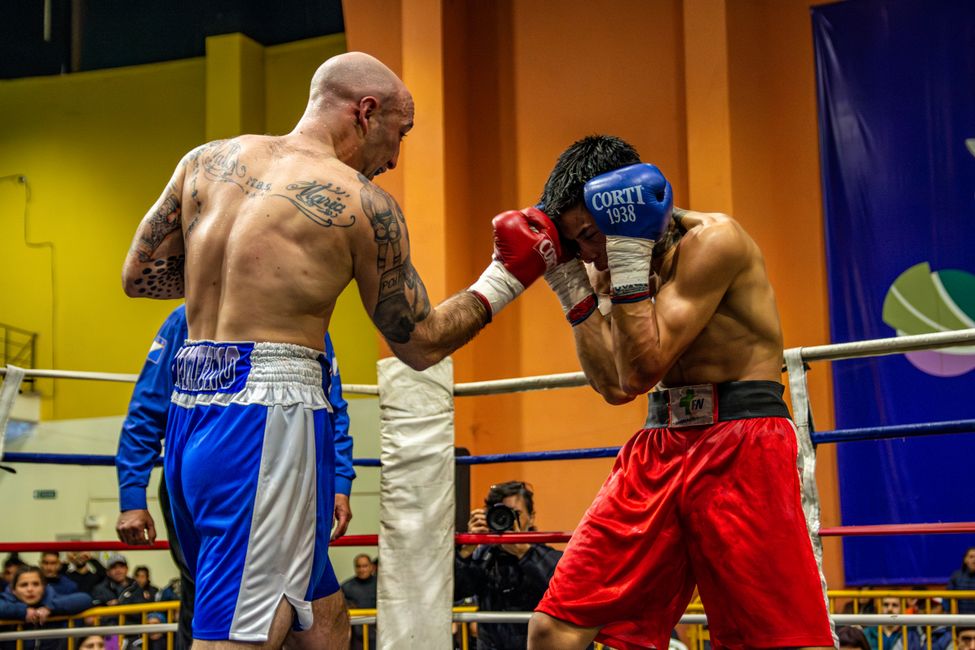
Photo: Franco Monsalvo, Pexels
What happens when men hide their emotions?
When men are taught to suppress emotions, especially feelings of inadequacy, sadness or fear, those emotions do not simply vanish. Fabian points out that patriarchy encourages disconnection from emotions tied to competition and vulnerability, which makes it harder to process feelings of defeat or inferiority. Because those emotions signal failure in a system that rewards dominance, they become unbearable to acknowledge.
The result is often anger. Repressed emotions leak out in toxic ways, frequently directed at people with less power. Fabian notes that domestic violence has historically been higher in patriarchal societies and remains more common among men in marginalized positions today. He suggests that men would thrive if they could develop a healthier relationship with vulnerability, one that allows them to express feelings of inadequacy to someone who cares, ideally to other men rather than relying solely on mothers or romantic partners.
"I think it would be even better, perhaps the best thing, if men could open up with the other boys about these kind of feelings that they had," Fabian says.
Opening up to other men, he argues, helps develop emotional intelligence and builds mutual support, which breaks the cycle of isolation and explosive anger.
What does healthy masculinity look like in everyday life?
Fabian offers a vivid example from fiction: Prince Ashitaka, the protagonist of Hayao Miyazaki's film Princess Mononoke. Ashitaka is a warrior with traditional martial skill, but his real superpower is active listening. In one scene, he rescues Princess Mononoke from a suicidal mission by disarming her without causing harm, then allows her to release her rage by letting her strike him because he is strong enough to absorb it. Once her anger deflates, her deeper feelings of sadness and inadequacy surface, and only then can he offer comfort.
"He has the traditional things that are associated with a strong man. He's good at fighting. He's very physically capable. He's very good at managing his emotions. He's calm under pressure," Fabian explains. "But that allows him to then develop or deploy these other skills that aren't traditionally associated with men, like being able to offer care, being able to offer kindness, compassion, empathy. A good hug."
Ashitaka represents a sophisticated masculine archetype that combines strength with emotional intelligence. Fabian also points to real figures like actor Ryan Gosling, who plays traditionally masculine roles but is known for being sensitive and emotionally expressive. These role models show that strength does not require emotional shutdown. Instead, it creates space for connection.

Photo: Siarhei Nester, Pexels
How can men start relating to their emotions differently?
For someone beginning to recognize these patterns, Fabian suggests two practical starting points. First, look for different male role models, often found in fiction but also in real life, who display strength alongside kindness and emotional openness. These models help reimagine what masculinity can be without abandoning qualities like courage or resilience.
Second, talk to younger women about what they want from men. Fabian stresses the importance of listening without defensiveness, treating their perspectives not as criticism but as invitations to grow in ways that feel authentic.
"Try to not take that as a criticism of you, but rather to think, how can I apply this to myself in a way that feels authentic, in a way that is maybe compatible with these male role models that I've identified," he says.
The key is patience. Change takes time, and it requires practice. Men are not expected to transform overnight, but to learn by doing, testing new ways of relating to themselves and others.
How can others support men who are changing?
For partners, friends and family members, meaningful support means making room for change without triggering defensiveness or rushing the process. Fabian recalls overhearing a father tell his son, "Hold on, hold on. He's not criticizing you. He's just making an observation." That distinction matters. When people feel criticized, they double down and become argumentative, which blocks genuine dialogue.
Support also means avoiding categorical thinking. Labels like traditional or modern, masculine or feminine, can create pressure to choose sides. Instead, Fabian encourages nuance, recognizing that some aspects of older models remain valuable while some newer ideas may not fit every personality or situation.
"Most good things take a long time and take a village or take a whole bunch of people," Fabian says. "Wellbeing is something that we do together, not something that we do just individually."
Building healthier masculinity is a collective project. It requires patience, conversation and a community willing to support men as they practice new ways of being.
Who this episode is for
This episode is for men who are starting to question the unspoken rules they inherited about strength, performance and emotional control. It is also for partners, friends and family members who want to support men in their lives without judgment or pressure, creating space for honest conversation and gradual change.
Listen to the full episode
Hear the complete conversation with Mark Fabian on Mind Over Masculinity. Visit the show page to explore more episodes on rethinking masculinity and mental wellbeing.
Questions people ask
What does traditional masculinity mean for men's emotional health?
Traditional masculinity often combines physical strength with emotional stoicism, teaching men to suppress feelings like sadness, fear and inadequacy. Mark Fabian explains that these suppressed emotions do not disappear; instead they often emerge as anger or are directed at people with less power, which damages relationships and wellbeing.
How can men start opening up about their emotions?
Fabian suggests men look for role models who combine strength with emotional openness and begin talking to other men, not just mothers or partners, about feelings of vulnerability. Starting these conversations without defensiveness and with patience helps men practice emotional honesty in safe, supportive relationships.
What is a healthy example of masculine strength?
Fabian points to Prince Ashitaka from Princess Mononoke, a warrior whose real strength is active listening and emotional intelligence. Ashitaka uses his physical capability to create space for care, kindness and compassion, showing that strength and emotional sophistication can coexist.
Why do men learn to tie their worth to performance?
Historically, patriarchal systems gave men power and status based on their ability to compete, provide and dominate economically and socially. Boys raised in these systems learned that self-reliance, achievement and emotional control were essential to earning respect, which tied their sense of worth directly to performance and usefulness.
How can partners or friends support men exploring healthier masculinity?
Meaningful support means avoiding criticism and not triggering defensiveness, which causes people to double down on old patterns. Fabian recommends listening with openness, being patient as men practice new ways of relating, and building a supportive community rather than expecting individual change to happen quickly or alone.
What role do male role models play in redefining masculinity?
Role models who display strength alongside kindness, empathy and emotional honesty give men a template for healthier masculinity. Fabian suggests looking in fiction and real life for figures who embody courage and resilience without emotional shutdown, helping men imagine new ways to be strong and connected.

Comments
Loading comments…