
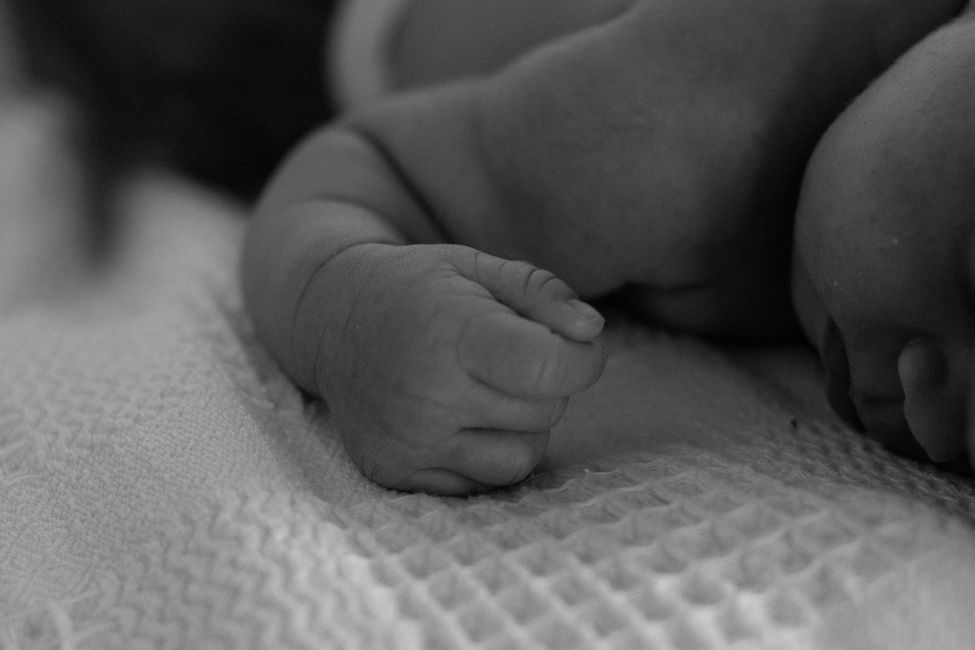
The story of how our brains develop has always pointed toward genetics and environment. Now, a major study is adding an unexpected chapter: the role of gut bacteria that begin their work even before a baby takes their first breath.
Researchers have found that certain biological markers present at birth appear to influence how a baby's gut microbiome develops over the first twelve months of life. More remarkably, specific combinations of these early markers and the gut bacteria they help shape were associated with early indicators of autism and ADHD by the time children reached age three.
The findings suggest that some of the groundwork for brain development may be laid through a partnership between our genes and the microscopic organisms living in our digestive system, a relationship that starts forming before we're even born.
What the Research Revealed
The study examined epigenetic changes, which are chemical modifications that affect how genes behave without altering the DNA sequence itself. These changes can be influenced by many factors during pregnancy and are present when a baby is born.
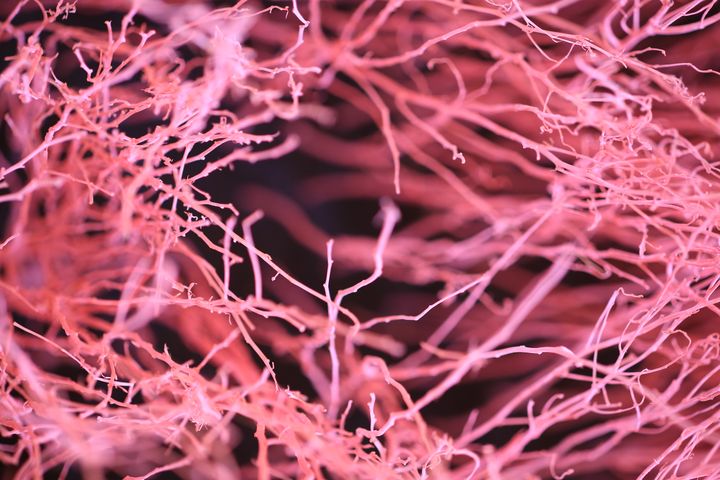
What scientists discovered is that these epigenetic patterns at birth don't just sit idle. They appear to play a role in shaping which types of bacteria colonize a baby's gut during that crucial first year. The gut microbiome during infancy is remarkably dynamic, shifting as babies transition from milk to solid foods and as their immune systems mature.

*Photo: Griselda Belba · Pexels*
When researchers followed children to age three, they found that certain combinations of birth epigenetic markers and gut microbiome composition were linked to early signs of neurodevelopmental differences. Some children showed early indicators associated with autism, while others displayed patterns connected to ADHD.
The research doesn't suggest that gut bacteria cause these conditions, nor does it offer a simple cause-and-effect explanation. Instead, it points to a more complex picture where genetic factors, epigenetic changes, and the gut microbiome all interact during a critical window of development.
Why the Gut-Brain Connection Matters
The idea that our gut and brain communicate isn't new. Scientists have been studying the gut-brain axis for years, recognizing that the digestive system and the nervous system are in constant conversation through hormones, immune signals, and the vagus nerve.
What makes this study significant is the timing. The first year of life is a period of extraordinary brain development. Neural connections form at a breathtaking pace, and the brain is particularly responsive to its environment. The discovery that gut bacteria may be part of this developmental landscape during such a sensitive period opens new questions about how we support healthy development from the very start.
For parents and caregivers, this research adds another dimension to what we understand about early childhood. It doesn't change the fundamentals of loving, responsive care, but it does highlight how intricate and interconnected human development truly is.

*Photo: Kristina Paukshtite · Pexels*
Looking Forward Without Oversimplifying
Research like this can feel both hopeful and overwhelming. The hopeful part is that understanding these connections might eventually lead to new ways of supporting neurodevelopment. If gut bacteria play a role, could supporting a healthy microbiome during pregnancy or infancy make a difference? Scientists will need years of further research to answer that question responsibly.
The overwhelming part is that parents already carry enough worry about doing everything right. This study isn't meant to add to that burden. Brain development is influenced by countless factors, many beyond anyone's control. What this research really does is deepen our appreciation for how complex and resilient human development is.
It's also worth noting that autism and ADHD are not conditions to be feared or prevented at all costs. Many people with these neurodevelopmental differences live full, meaningful lives. The goal of research like this isn't to eliminate neurodiversity, but to better understand it and to support all children in thriving.
Why This Matters
For anyone interested in human development, mental wellness, or the science of how we become who we are, this study offers a fascinating glimpse into processes that begin before we take our first breath. It reminds us that the body is an ecosystem, and that the communities of microbes we carry are part of our story from the very beginning.
For podcasters and creators exploring topics around parenting, neuroscience, or mental health, this research highlights how much we're still learning about the earliest chapters of human life. It's a reminder to hold space for complexity and to resist the urge to oversimplify what science reveals.
Most of all, it's a testament to the intricate dance between nature and nurture, between what we inherit and what we encounter, between our genes and the tiny organisms that share our journey from day one.
Based on reporting from sciencedaily.com.


Comments
Loading comments…