
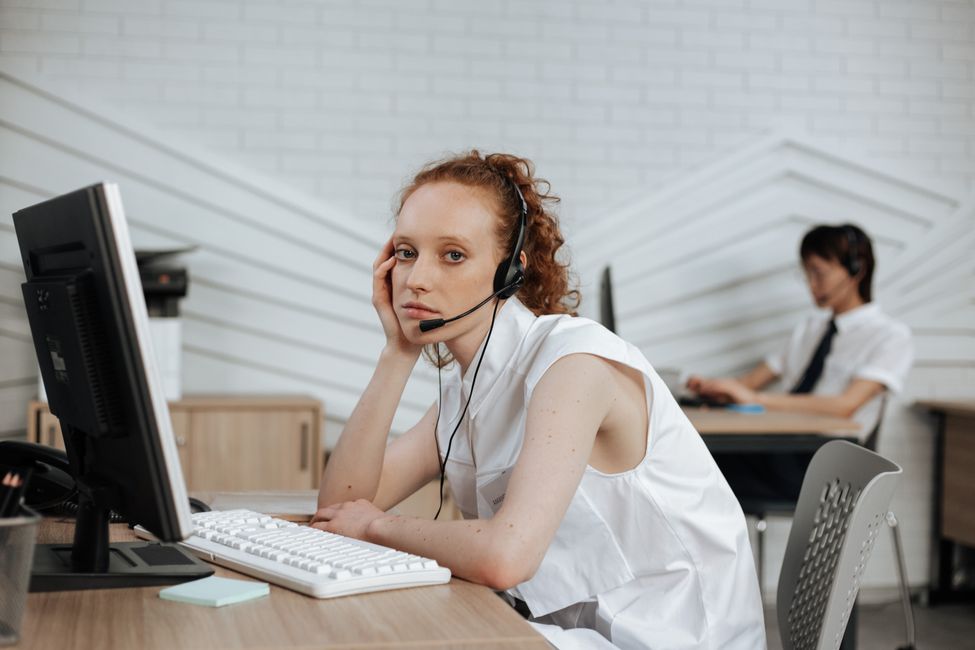
We've all heard it before, usually from a parent or teacher: sit up straight. Most of us associate good posture with preventing back pain or looking more confident in a job interview. But a new study suggests that how we hold our bodies might also quietly influence our emotional state and the decisions we make throughout the day.
Researchers found that people who sat upright reported feeling more pride than those who hunched forward. The upright sitters also performed better in a decision-making task, taking more successful risks in a virtual balloon game. What makes the findings particularly interesting is that most participants didn't even realise their posture had been influenced by the researchers, which helps rule out the possibility that people were simply behaving how they thought they were expected to.
More than just physical comfort
The study adds to a growing body of work exploring how our physical state affects our mental and emotional experience. It's a two-way street we don't always think about. We know that when we feel confident, we might naturally stand taller. But the reverse also appears to be true: standing or sitting taller can actually shift how we feel inside.
In workplace settings, we tend to focus on ergonomics purely from a physical health perspective. We adjust our chairs and screens to avoid neck strain or repetitive stress injuries. This research suggests there might be another layer to consider. The way we arrange our physical workspace could be influencing not just our comfort, but our mood, our sense of confidence, and even the quality of decisions we make during the working day.
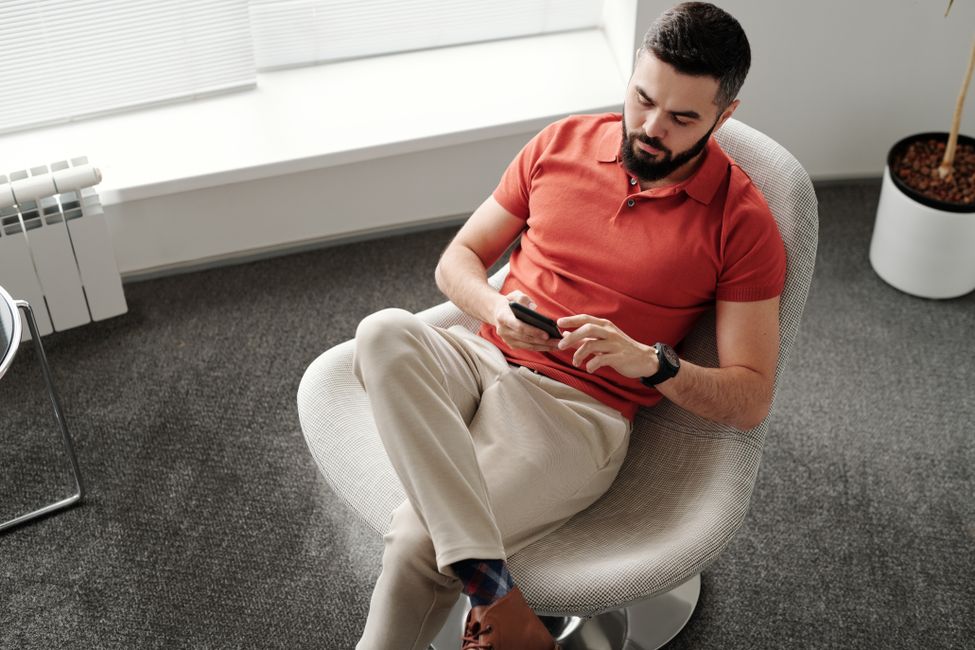
*Photo: Edmond Dantès · Pexels*
The researchers used a clever setup to avoid biasing the results. Rather than simply telling people to sit in a certain way, which might have tipped them off about what was being studied, they found subtler ways to influence posture. The fact that most participants remained unaware of this influence is important. It means the changes in mood and decision-making were likely genuine effects of the postural shift itself, rather than people unconsciously playing along with what they guessed the study was about.
Small shifts, real effects
The virtual balloon game used in the study is a recognised tool for measuring risk-taking behaviour. Participants have to decide when to stop inflating a balloon before it pops. Push too far and you lose points; stop too soon and you miss potential rewards. It requires a balance of confidence and caution. Those sitting upright tended to navigate this balance more successfully, suggesting their posture may have supported clearer or more confident decision-making.
The feelings of pride reported by upright sitters are also worth noting. Pride, in a healthy sense, is linked to self-worth and motivation. It's the quiet satisfaction of doing something well or showing up as your best self. If something as simple as adjusting how we sit can tap into that feeling, even slightly, it's worth paying attention to.
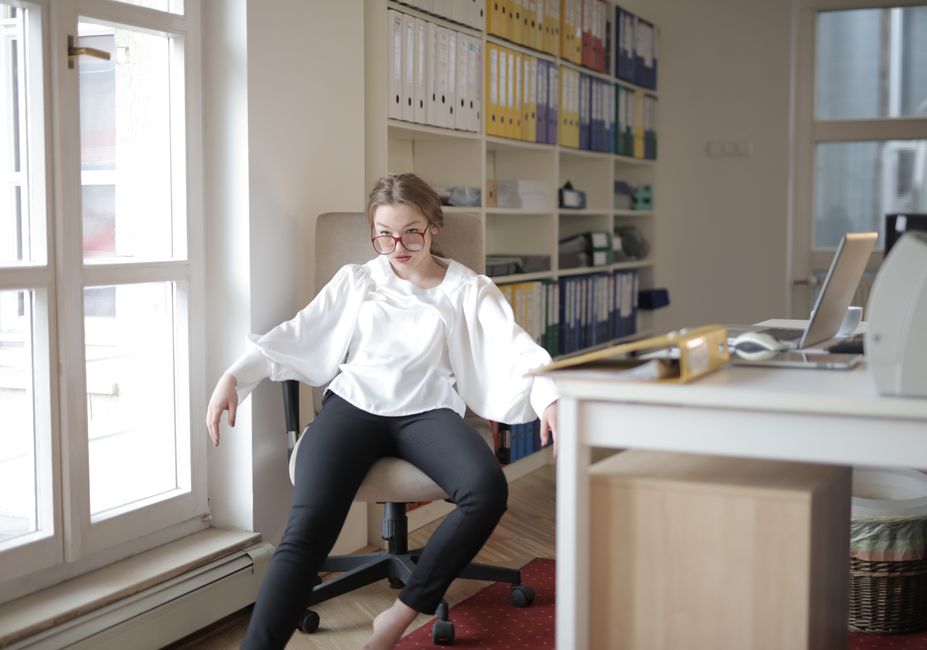
*Photo: Andrea Piacquadio · Pexels*
None of this is about rigidly holding yourself in an uncomfortable position all day. The body needs movement and rest. But it does suggest that when we slump or collapse into ourselves, especially during moments when we need to feel capable or make important choices, we might be working against ourselves without realising it.
Why it matters
For those of us spending hours at a desk, whether recording a podcast, editing audio, or working through emails, these findings offer a small but practical reminder. The way we sit isn't just about avoiding pain later. It might be shaping how we feel right now, and how effectively we think and choose.
If you're facing a difficult conversation, a creative block, or an important decision, it might be worth checking in with your body. Are you collapsed forward, shoulders rounded? A gentle shift upward could offer more than physical relief. It might offer a subtle emotional lift too.
This isn't about perfection or adding another thing to feel anxious about. It's simply an invitation to notice. Our minds and bodies are not separate systems. They're in constant conversation, influencing each other in ways we're only beginning to understand. Sometimes the smallest adjustments, the ones we barely think about, can make a meaningful difference in how we move through our day.
Based on reporting from sciencedaily.com.



Comments
Loading comments…