
For years, the advice around blood pressure has been clear and consistent: cut back on salt. But according to a new report, that guidance may only be telling half the story. Researchers now suggest that controlling blood pressure effectively requires a two-pronged approach—reducing sodium while also making sure you get enough potassium.
The finding matters because high blood pressure affects millions of people and remains a leading risk factor for heart disease and stroke. Yet despite decades of public health campaigns focused on sodium reduction, many people still struggle to bring their numbers down. This new perspective suggests we may have been looking at the problem too narrowly.
The Balancing Act
The report highlights something that nutritional science has understood for some time but hasn't made its way into mainstream health advice: potassium and sodium work together in the body, and the balance between them matters as much as the absolute amount of either one.
Potassium-rich foods appear to help counterbalance the effects of sodium on blood pressure. When we consume potassium, it supports the body's ability to flush out excess sodium and helps blood vessels relax. In other words, eating more potassium doesn't just add a beneficial nutrient—it actively works against the harmful effects of too much salt.
The problem is that most people consume far less potassium than health experts recommend. While public awareness about sodium is relatively high, potassium has remained in the background of nutritional conversations. This gap means that even people who conscientiously reduce their salt intake may not be giving their bodies the tools they need to manage blood pressure effectively.

*Photo: Mikhail Nilov · Pexels*
Where Potassium Lives
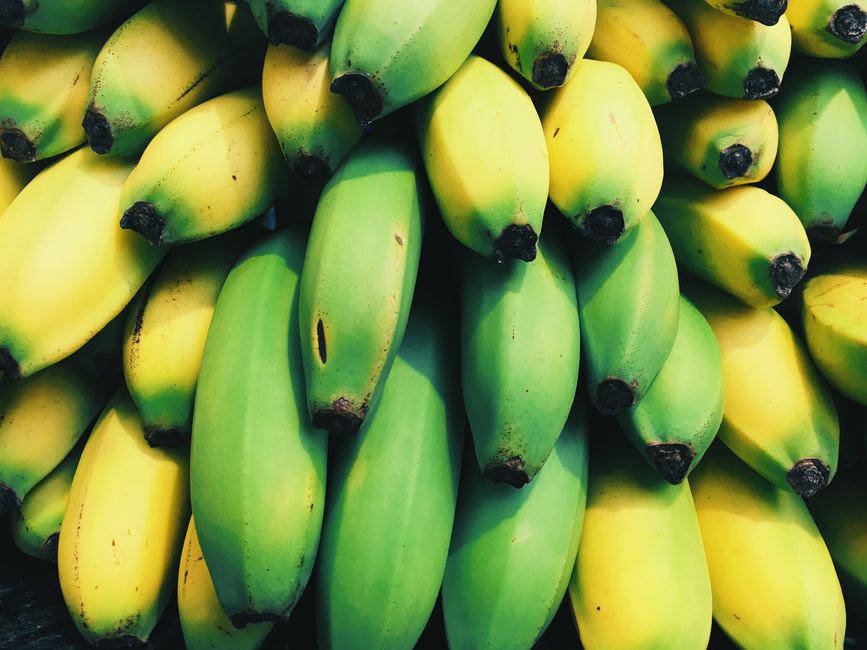
So where do you find potassium? The nutrient is abundant in whole foods, particularly fruits and vegetables. Bananas are the poster child for potassium, but they're far from the only source. Leafy greens, sweet potatoes, beans, avocados, and tomatoes all deliver substantial amounts. So do certain fish, dairy products, and nuts.
What these foods have in common is that they're minimally processed. The modern diet, heavy on packaged and prepared foods, tends to be high in sodium and low in potassium—exactly the opposite of what our bodies evolved to handle. Our ancestors consumed diets naturally rich in potassium and relatively low in sodium. The industrial food system has flipped that ratio, and our cardiovascular systems are paying the price.
This isn't about demonising any single food or nutrient. It's about recognising that our bodies function best when certain elements are in balance. A diet built around whole foods naturally tends to provide that balance. One heavy on processed foods disrupts it.
Beyond the Numbers
The implications of this research go beyond individual food choices. It suggests that public health messaging may need to evolve. For decades, the focus has been almost exclusively on reducing sodium intake. That's not wrong—excess sodium does contribute to high blood pressure. But if the goal is to help people actually lower their blood pressure, the conversation needs to expand.
Telling someone to cut out salt can feel restrictive and joyless. It's a message of limitation. Adding potassium-rich foods, on the other hand, is an invitation to eat more of something beneficial. It shifts the frame from deprivation to abundance. Psychologically, that difference matters. It's easier to sustain a change when it feels like you're adding something good rather than just taking something away.
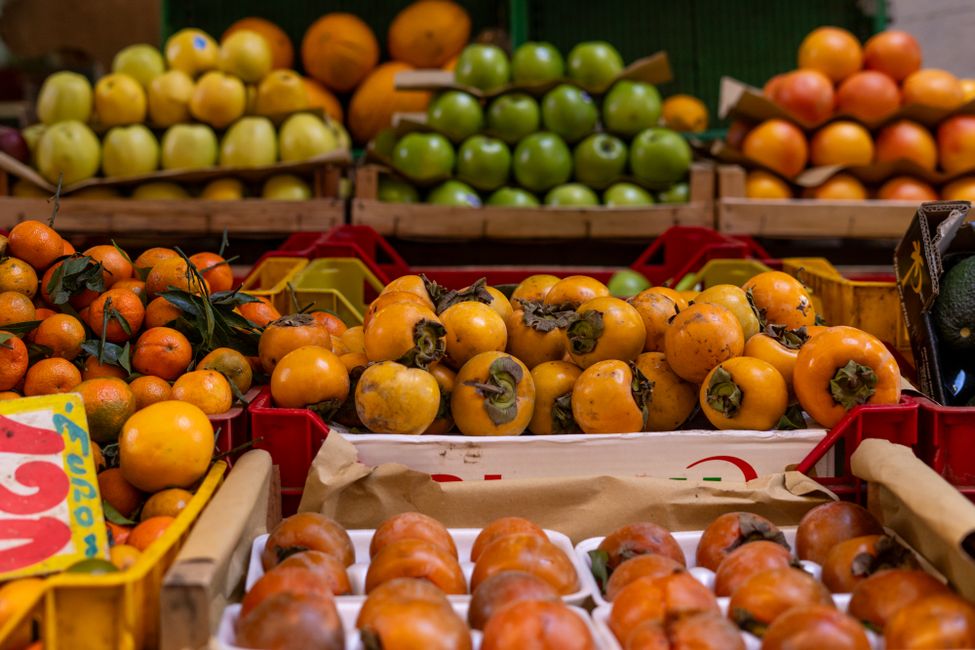
*Photo: Anastasiya Badun · Pexels*
There's also a practical dimension. Some people find it genuinely difficult to reduce sodium, especially if they rely on convenience foods or eat out frequently. But almost anyone can find ways to add more potassium-rich foods to their day. A handful of spinach in a morning smoothie, a sweet potato with dinner, a piece of fruit as a snack—these are small, doable changes that don't require overhauling your entire diet.
What It Means for You
This research is a reminder that health is rarely about a single factor. Our bodies are complex systems where different nutrients and processes interact in ways we're still working to understand. Blood pressure control, it turns out, isn't just about what you avoid—it's also about what you include.
For those of us in the podcasting and wellness space, there's a broader lesson here about how we talk about health. Simple messages are appealing, and "cut back on salt" is certainly simple. But simple isn't always complete. The most helpful guidance often acknowledges nuance and gives people multiple pathways to better health.
If you're someone who thinks about blood pressure, whether because of your own numbers or a family history, this research offers a practical, positive step you can take. It doesn't replace medical advice or medication when needed, but it does suggest that filling your plate with potassium-rich whole foods might be just as important as reading sodium labels.
The equation isn't just about subtraction. Sometimes the most powerful changes come from what we choose to add.
Based on reporting from sciencedaily.com.



Comments
Loading comments…