
Scientists at Northwestern University have reached a remarkable new threshold in the long effort to connect technology with the human brain. For the first time, researchers have successfully printed artificial neurons that can generate electrical signals lifelike enough to activate real, living brain cells.
The breakthrough, demonstrated in mouse brain tissue, represents a step forward in understanding how machines might one day interface directly with our most complex organ. The artificial neurons are flexible, inexpensive to produce, and capable of mimicking the electrical language that brain cells use to communicate with each other.
A New Kind of Conversation
The human brain operates through billions of neurons constantly exchanging electrical and chemical signals. This communication network underlies everything we think, feel, and do. Until now, creating artificial devices that could participate in this conversation has remained largely theoretical or limited to rigid, expensive technologies.
What makes this development notable is not just that the artificial neurons can produce electrical signals, but that those signals are sophisticated enough to trigger responses in actual brain cells. The Northwestern team achieved this by printing the devices, a manufacturing approach that keeps costs down and allows for flexibility in the materials. Unlike traditional electronics, these artificial neurons can bend and adapt, qualities that matter enormously when working with soft, delicate biological tissue.
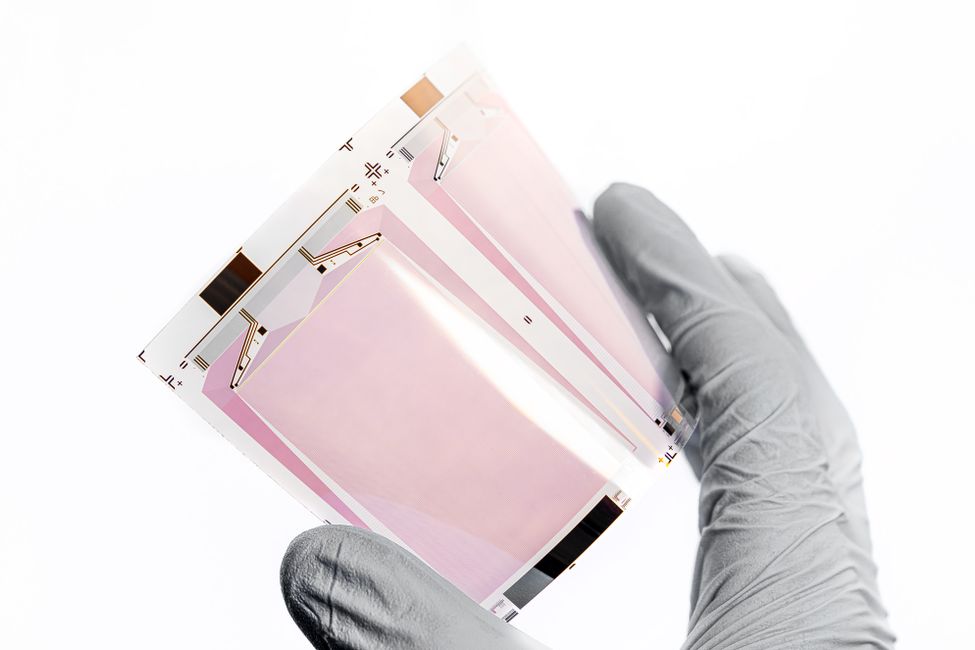
*Photo: Российский центр гибкой электроники · Pexels*
The researchers tested their printed neurons by introducing them to mouse brain tissue and observing whether the artificial signals could prompt real neurons to respond. The living cells did react, confirming that the artificial devices were speaking a language the brain could understand.
What This Could Mean
The immediate applications are not yet clear, and the researchers have not suggested this technology is ready for human use. But the implications stretch across several fields. In the long term, devices like these could help restore function in people with neurological injuries or conditions. They might assist in research, allowing scientists to study brain activity with greater precision. They could also serve as tools for testing treatments without relying solely on animal or human trials.
For now, the work remains in the laboratory. The artificial neurons have been tested only in controlled settings with isolated tissue, not within a living, functioning brain. Moving from tissue samples to whole organisms, and eventually to clinical use, involves layers of complexity and safety considerations that will take years to address.
*Photo: turek · Pexels*
Still, the fact that printed, flexible electronics can now engage in real-time communication with brain cells marks a shift. It brings the idea of brain-machine interfaces a little closer to something practical and affordable, rather than the realm of science fiction or prohibitively expensive experimental medicine.
The Human Side of the Science
Advances like this can feel distant from daily life, especially when they involve terms like artificial neurons and electrical signals. But at the heart of this research is a simple human hope: the possibility of helping people whose brains have been damaged by injury, stroke, or disease.
The brain is resilient, but it is also fragile. When neurons die or connections are severed, the effects can be devastating. Memory, movement, sensation, and personality can all be altered. If artificial neurons could one day step in to bridge those gaps, even partially, it could change lives in profound ways.
The research also speaks to our broader relationship with technology. We carry devices that extend our memory, connect us across distances, and shape how we perceive the world. The idea of technology that could communicate directly with our neurons is both awe-inspiring and unsettling. It raises questions about identity, autonomy, and what it means to be human. Those questions will need careful, thoughtful answers as the science progresses.
For now, the Northwestern team has achieved something quieter but no less significant: they have shown that the gap between machine and mind is not as wide as it once seemed. The two can, in fact, begin to speak.
Why It Matters
This work reminds us that science moves forward in small, careful steps, not sudden leaps. It also highlights the importance of curiosity-driven research, the kind that asks what is possible before asking what is profitable.
For podcasters and creators exploring the intersection of technology, health, and human experience, this story offers rich ground. It touches on innovation, ethics, the future of medicine, and the mysteries of the brain itself. And for anyone who has watched a loved one struggle with neurological illness, it offers a glimmer of hope that new tools may one day be available.
The printed neurons are not a cure, not yet even a treatment. But they are a beginning, and sometimes that is enough.
Based on reporting from sciencedaily.com.


Comments
Loading comments…