
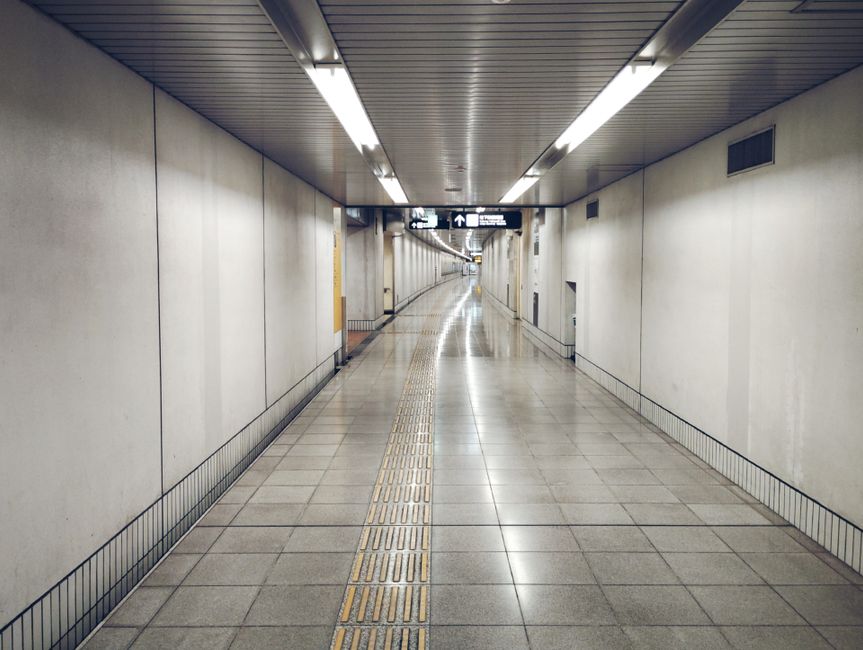
It began with a single photograph. Empty yellow rooms, fluorescent lights humming overhead, worn carpet stretching into the distance. No people, no exit signs, just an unsettling sense that you've been here before but can't quite remember when. That image, posted online, became the seed for something researchers are now studying as a new phenomenon in how we connect, create and explore imaginary spaces together.
The Backrooms, as this growing fictional universe is known, has evolved far beyond that original eerie snapshot. What makes it remarkable isn't just the horror or the nostalgia it triggers. It's how thousands of people across the internet have collectively built an entire world from it, contributing their own videos, games, maps, survival guides and social media stories. They're not just consuming content. They're actively constructing and wandering through a shared landscape that exists only in our collective imagination.
Building worlds without blueprints
Unlike traditional storytelling where one author controls the narrative, the Backrooms grew organically through contribution after contribution. Someone posts a video exploring a new level. Another person creates a guide to surviving encounters with entities that supposedly inhabit these spaces. A game developer builds an interactive version. A TikTok creator shares their character's journey through the endless corridors.

*Photo: Andrea Piacquadio · Pexels*
None of it is real, yet the emotional experience feels disturbingly authentic. The yellow rooms tap into something psychologists call liminal space, those in-between places like empty shopping centres after hours or hotel hallways late at night. These are locations we pass through but never inhabit, and they carry a strange emotional weight. When we're alone in them, we feel slightly off-balance, as though the normal rules have been suspended.
The Backrooms amplifies that feeling and invites us to sit with it, explore it, even play with it alongside others who feel the same pull.
A new kind of journey
Researchers examining this phenomenon suggest we're witnessing what they call digital tourism. Just as people travel to physical places to experience different environments and emotions, internet users are now emotionally entering imaginary locations. The Backrooms offers mystery, a hint of danger, and the peculiar comfort of shared unease.
What draws people isn't necessarily the horror itself. It's the sense of discovery, the collaborative world-building, and perhaps most importantly, the feeling of not being alone in these strange digital corridors. When you watch a Backrooms video or play a Backrooms game, you're joining countless others who have walked these same fictional hallways, felt the same creeping dread, wondered what lies around the next corner.
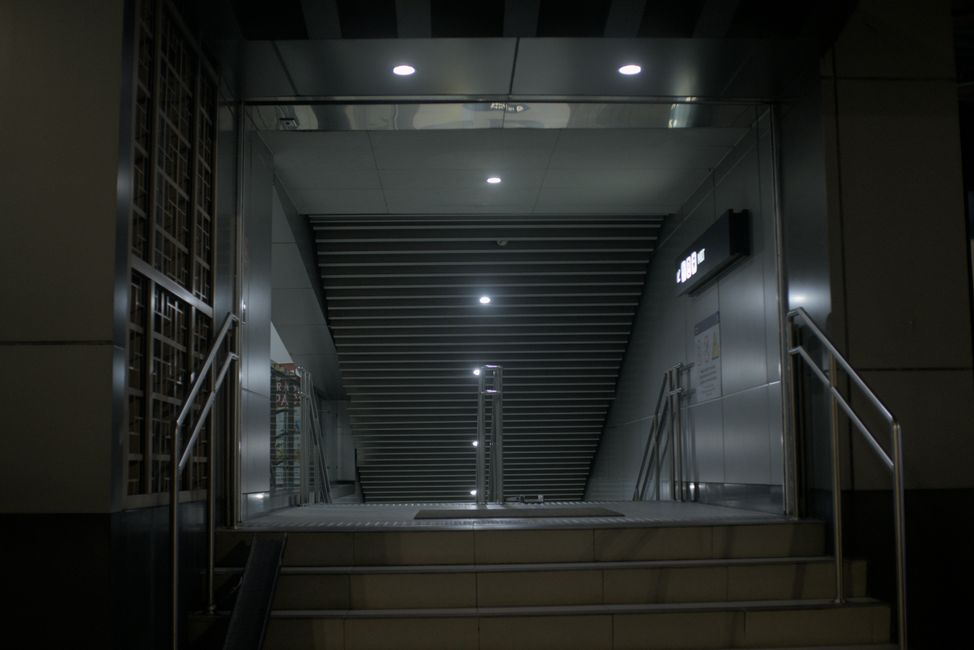
*Photo: Qeis Ismail · Pexels*
This matters because it reveals something about how we seek connection in digital spaces. We're not just looking for information or entertainment. We're looking for experiences we can share, worlds we can inhabit together even when we're physically apart. The Backrooms provides a framework for that kind of collective emotional journey.
What it tells us about belonging
There's something deeply human about creating mythology together. For thousands of years, we've gathered around fires to tell stories, adding our own details and interpretations, building shared universes that help us make sense of our feelings and experiences. The Backrooms is that same impulse, translated into internet culture.
It offers a space where feelings of disorientation, nostalgia and mild anxiety can be explored safely. The endless yellow rooms become a metaphor for experiences many of us recognise: feeling lost, searching for an exit, moving through spaces that feel familiar yet wrong. By turning these feelings into a collaborative fiction, we make them less isolating.
For podcasters and content creators, this phenomenon offers a lesson in the power of open-ended storytelling. The most engaging narratives today might not be the ones with tidy conclusions, but rather those that invite audiences to step inside, contribute their own perspective and explore alongside others. We're not just building audiences anymore. We're building communities that co-create the experiences they want to have together.
The Backrooms reminds us that even in unsettling spaces, real or imagined, we're drawn to share the journey with others. That instinct to reach out, to say "I'm here too, I see this too," is what transforms a creepy image into something meaningful. It's connection found in the most unexpected corridors.
Based on reporting from sciencedaily.com.


Comments
Loading comments…