
What makes someone choose to help another person when it costs them something? A new study suggests the answer might lie in how well different parts of our brain talk to each other. Researchers found that when they gently stimulated two specific brain regions and got them working in sync, people became noticeably more generous, even when being generous meant they would walk away with less money for themselves.
The findings add a fascinating dimension to our understanding of prosocial behaviour. For years, we have been told that generosity is a virtue to cultivate, a choice we make through willpower and moral reasoning. This research hints that the capacity for generosity might also have a biological foundation, rooted in the coordination between brain networks that handle different aspects of decision making.
How the study worked
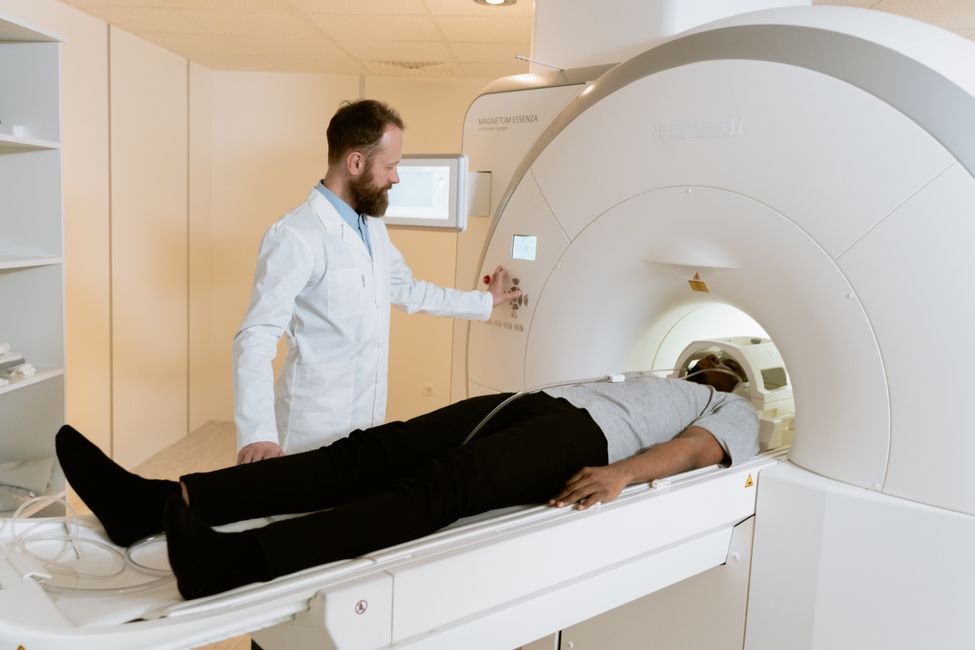
The research team used a technique called brain stimulation to target two areas of the brain. While the source does not specify the exact regions or the type of stimulation used, the key insight was that syncing the activity between these two areas had a measurable effect on behaviour. Participants in the study were given opportunities to share money with others, and those who received the coordinated brain stimulation were more likely to choose the generous option, even when it meant reducing their own earnings.
This is not about forcing someone to be kind against their will. The stimulation was described as gentle, and the effect seems to be about removing barriers or enhancing natural processes rather than overriding someone's intentions. Think of it less as flipping a switch and more as turning up the volume on a conversation that was already happening inside the brain.

*Photo: Alex Dos Santos · Pexels*
What it means for understanding human connection
Generosity sits at the heart of healthy relationships and communities. When we share resources, time, or attention with others, we strengthen bonds and create networks of trust. But generosity is not always easy. It often requires us to override immediate self-interest in favour of a longer-term or collective good. That internal tug of war happens in the brain, where different regions weigh personal gain against social values.
This study suggests that when certain brain areas are better coordinated, the scales tip more easily toward sharing. It raises interesting questions about why some people find generosity easier than others. Is it partly about how naturally synchronised these brain networks are? Could differences in this neural coordination explain some of the variation we see in prosocial behaviour across individuals?
The research also touches on something deeper: the idea that our moral choices are not purely abstract or separate from our biology. The brain is constantly integrating information, balancing competing priorities, and generating the feelings and impulses that guide our actions. Generosity, empathy, and compassion all have neural underpinnings, and understanding them does not make these qualities less meaningful. If anything, it highlights how deeply woven they are into what it means to be human.
The bigger picture
This kind of research is still in early stages, and there is no suggestion that brain stimulation will become a tool for everyday life. But the findings do open up possibilities. If generosity can be influenced by how brain regions communicate, then perhaps other interventions, whether through mindfulness practices, therapy, or even lifestyle changes, might also strengthen these pathways over time.
For those of us interested in mental wellness and human connection, the study is a reminder that our brains are not fixed. Neural pathways can be shaped by experience, practice, and perhaps one day by targeted interventions that help people become more aligned with the values they already hold. It also underscores the importance of environments that support prosocial behaviour. If the brain is wired to respond to social cues and rewards, then cultures and communities that celebrate generosity might be helping to strengthen these neural networks in everyone.
The research does not diminish personal responsibility or the importance of teaching kindness. Instead, it adds another layer to the picture, showing that biology and choice are not opposing forces but partners in shaping who we are and how we relate to others.
For podcasters exploring themes of connection, empathy, or the science of behaviour, this study offers rich material. It bridges neuroscience and everyday ethics, showing that the choices we make in relationships have roots that run deeper than we might have imagined. And for anyone trying to cultivate more generosity in their own life, it is a hopeful sign that change is possible, not just through effort but through the remarkable adaptability of the brain itself.
Based on reporting from sciencedaily.com.


Comments
Loading comments…