
A large international survey has uncovered a striking pattern: people living with eating disorders are increasingly using cannabis and psychedelic substances to manage their symptoms, and many say these alternatives work better for them than the medications doctors typically prescribe.
The findings, which draw on responses from thousands of people around the world, suggest a significant gap between what gets prescribed and what people feel actually helps. While antidepressants and other standard treatments were acknowledged as useful for general mental health, they scored lower when it came to the specific struggles of eating disorders.
What people are actually using
The survey revealed that substances like cannabis, magic mushrooms, and LSD are being used by a notable portion of those dealing with eating disorders. Participants reported turning to these options when conventional routes felt inadequate or unsuccessful. Importantly, people weren't dismissing traditional treatments entirely. They acknowledged that antidepressants could help with mood and anxiety. But when it came to the core symptoms of their eating disorders, the relief they experienced from these medications wasn't enough.
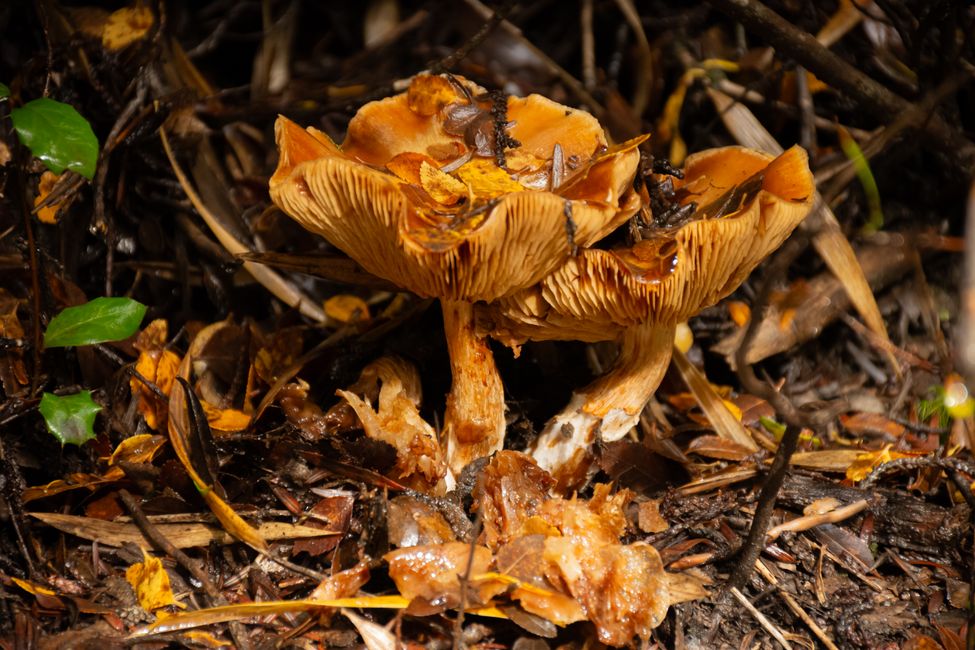
Cannabis emerged as one of the more commonly used alternatives, with users describing it as helpful for managing anxiety around food and reducing some of the distress that accompanies eating disorder behaviours. Psychedelics like psilocybin, found in magic mushrooms, and LSD were also mentioned, though less frequently. Those who used them often described a different quality of relief, one that seemed to touch on deeper patterns of thinking and feeling.

*Photo: https://kaboompics.com/ · Pexels*
The gap between prescription and experience
What makes these findings significant is not just that people are seeking alternatives. It's that they're doing so because what's currently available isn't meeting their needs. Eating disorders are complex conditions that intertwine biology, emotion, identity, and trauma. They resist simple solutions. The standard approach often involves a combination of therapy and medication, usually antidepressants or anti-anxiety drugs. These can be lifesaving for some, but the survey suggests they're not universally effective for the particular challenges of eating disorders.
The gap may reflect a broader issue in how we understand and treat these conditions. Eating disorders aren't just about food or weight. They often involve rigid thinking patterns, intense self-criticism, disconnection from the body, and profound emotional pain. Traditional medications target symptoms like low mood or high anxiety, but they may not reach the underlying mechanisms that keep an eating disorder alive.
Cannabis and psychedelics, by contrast, seem to work differently in the brain. Cannabis affects appetite, anxiety, and sensory experience. Psychedelics have been shown in recent research to influence brain networks involved in rigid thinking and emotional processing. While these substances are far from risk-free and aren't appropriate for everyone, the survey suggests that for some people, they're filling a therapeutic void.
What this means for treatment and understanding
This isn't a call to replace medication with cannabis or psychedelics. The survey reflects personal experience, not clinical trials, and self-medication carries real risks. Cannabis can affect memory, motivation, and mental health, particularly with heavy use. Psychedelics can be unpredictable and may not be safe for people with certain mental health conditions. Legal status also varies widely, and access is uneven.

*Photo: SHVETS production · Pexels*
But the survey does ask us to take seriously what people are saying about their own lives. If large numbers of individuals are seeking relief outside the medical system, that's a signal worth listening to. It suggests that current treatments, while valuable, may not be sufficient on their own. It also points to the need for more research into how different substances and therapies might work for eating disorders specifically, rather than assuming that what helps with depression or anxiety will automatically help with disordered eating.
There's also a human dimension here that numbers can't fully capture. Living with an eating disorder is exhausting and isolating. The search for relief can feel desperate. When people find something that eases their pain, even a little, it matters. The fact that so many are turning to alternatives speaks to both the severity of their suffering and the limitations of what's currently on offer.
Why it matters
For anyone working in mental health, whether as a clinician, researcher, or podcaster, this survey is a reminder to stay curious and humble. People's lived experience is data too. The conversation around eating disorders needs to expand beyond weight and food to include the full complexity of what people are going through and what actually helps them heal.
If you or someone you care about is struggling with an eating disorder, support is available through specialised services and therapists who understand these conditions.
Based on reporting from sciencedaily.com.

Comments
Loading comments…