
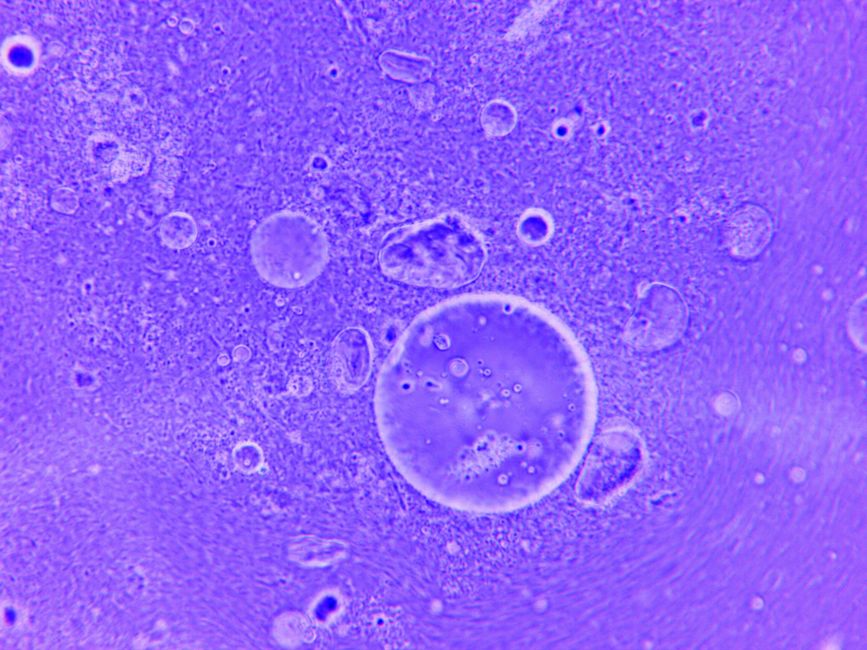
Your body has its own emergency response team, constantly on patrol for threats. Natural killer cells—often called NK cells—are the immune system's first responders, designed to identify and destroy infected or abnormal cells before they can cause harm. But new research suggests that the twin burdens of anxiety and insomnia may be quietly reducing these crucial defenders, leaving us more vulnerable just when we need protection most.
The Hidden Cost of Sleepless Worry
A study conducted with young women in Saudi Arabia has uncovered a troubling connection between mental distress and immune function. Researchers found that both anxiety and insomnia were associated with significantly lower levels of NK cells in the bloodstream. These aren't just any immune cells—they're the circulating type responsible for moving through the body and eliminating threats wherever they appear.
What makes the findings particularly striking is the dose-response relationship. As anxiety severity increased in participants, NK cell levels dropped even further. It's as though the immune system weakens in proportion to our psychological struggle, creating a biological echo of our inner turmoil.
The research focused on young women, a group often navigating multiple stressors from education to social pressures to future uncertainties. But the implications reach far beyond any single demographic. Anxiety and insomnia affect people across all ages and backgrounds, and this study offers fresh evidence of how deeply our mental state can influence our physical resilience.
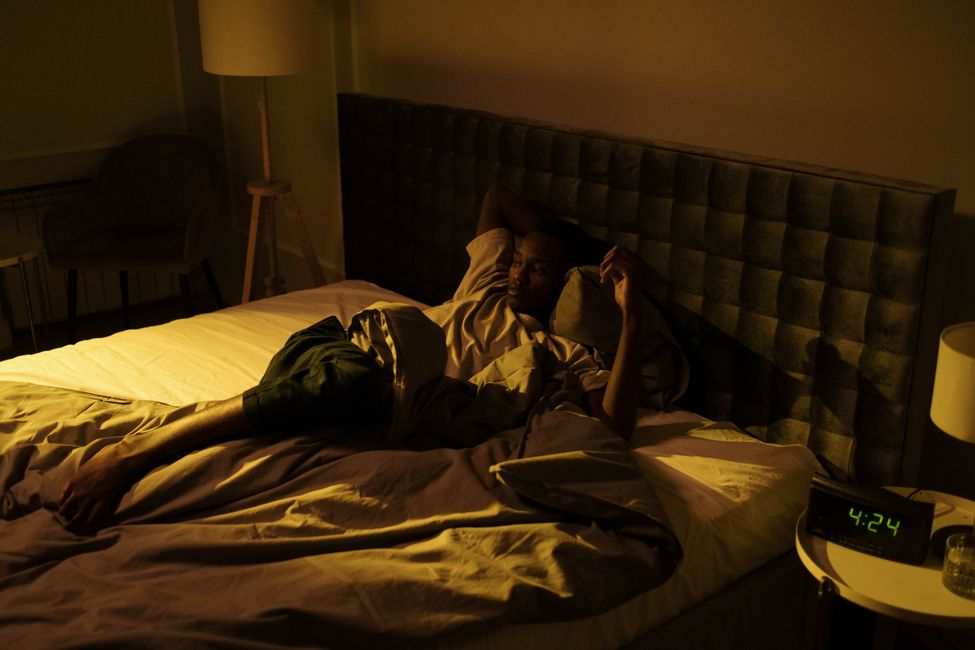
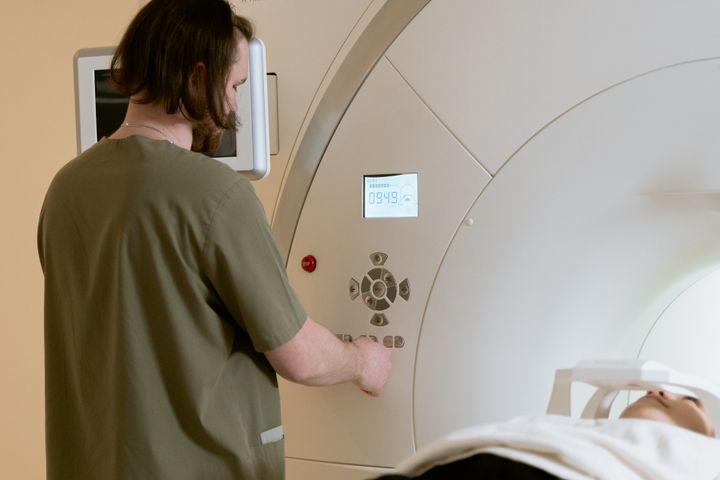
*Photo: cottonbro studio · Pexels*
Understanding the Stress Connection
The link between stress and immunity isn't entirely new. Scientists have long observed that chronic stress can dampen immune function, making people more susceptible to infections and slower to heal. But this research adds specific detail to that picture, identifying a particular type of immune cell that appears especially vulnerable to the effects of anxiety and poor sleep.
Natural killer cells work without needing prior exposure to a threat. Unlike other immune cells that must learn to recognize specific invaders, NK cells can respond immediately to abnormal cells. They're part of what immunologists call the innate immune system—the ancient, hardwired defenses we're born with. When their numbers drop, that rapid-response capability diminishes.
The mechanism behind this reduction isn't fully explained by the current study, but researchers understand that stress hormones like cortisol can interfere with immune cell production and function. Chronic activation of the stress response—the kind that comes with persistent worry or night after night of broken sleep—may signal the body to redirect resources away from immune surveillance and toward immediate survival needs.
It's a cruel irony: the very conditions that might make us more vulnerable to illness are also the ones that weaken our defenses against it.
What This Means for Everyday Life
For those of us managing anxiety or struggling with sleep, this research serves as a reminder that our wellbeing isn't compartmentalized. Mental health and physical health aren't separate tracks running parallel—they're deeply intertwined, each influencing the other in ways both obvious and subtle.
*Photo: Verena · Pexels*
The findings don't suggest that a few restless nights will collapse your immune system. Our bodies are remarkably resilient and designed to handle short-term stress. But the pattern matters. When anxiety becomes persistent, when insomnia stretches from occasional to chronic, the cumulative effect on our biology can be significant.
This research also highlights why addressing sleep and emotional wellbeing isn't a luxury—it's a fundamental part of taking care of ourselves. The young women in this study weren't dealing with rare or extreme conditions. Anxiety and insomnia are common experiences, often normalized or dismissed as just part of modern life. But their bodies were telling a different story.
For podcasters and creators who spend hours in front of screens, juggling deadlines and audience expectations, the message is especially relevant. The pressure to produce, the irregular hours, the constant connectivity—all of these can feed into cycles of poor sleep and heightened anxiety. Understanding that these patterns have real biological consequences might be the push some of us need to prioritize rest and nervous system care.
The study was conducted with a specific population, and more research will help clarify whether these patterns hold across different groups and contexts. But the core insight remains: what happens in our minds doesn't stay in our minds. It ripples through our cells, our systems, our capacity to stay well.
If you're navigating anxiety or insomnia, know that support is available and that small steps toward better sleep and emotional balance can make a real difference.
Based on reporting from sciencedaily.com.

Comments
Loading comments…