
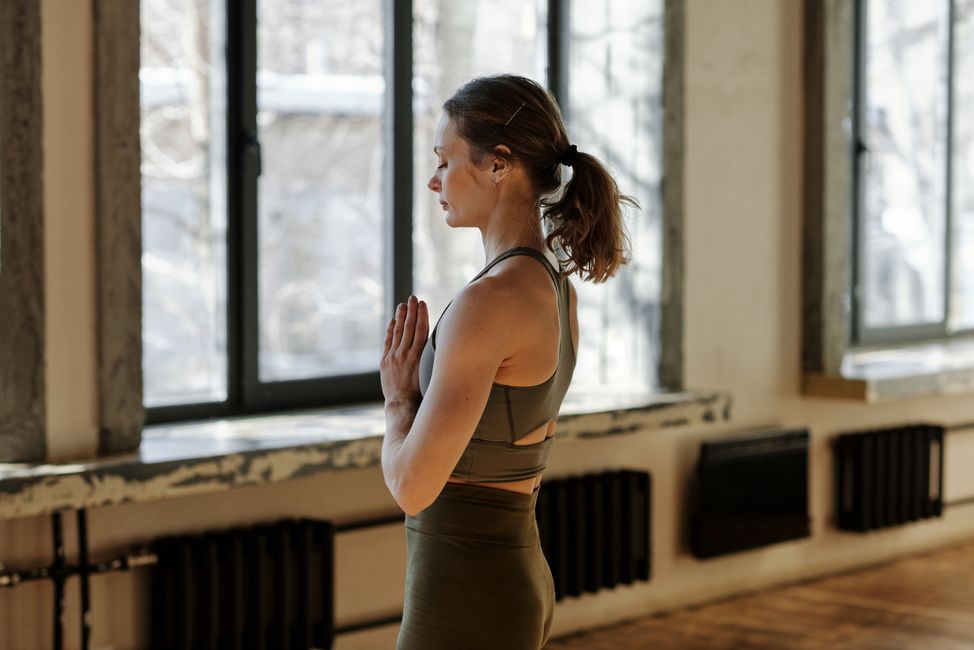
Meditation has become a cornerstone of modern wellness culture. Apps, podcasts, and mental health professionals regularly recommend it as a way to reduce stress, improve focus, and cultivate inner peace. But new research is revealing a more complicated picture, one that challenges the idea that meditation is universally helpful and free from risk.
Psychologist Nicholas Van Dam and his research team have found that meditation can produce unexpected side effects for a significant number of people. Their work shows that nearly 60% of meditators have experienced some kind of effect beyond the intended benefits, and roughly a third found those experiences distressing enough to cause concern.
What kinds of effects are people experiencing?
The side effects reported in the research vary widely. Some people experienced heightened anxiety rather than the calm they were seeking. Others described feelings of dissociation, a sense of being disconnected from themselves or their surroundings. For some practitioners, meditation led to what researchers described as functional impairment, meaning the practice interfered with their ability to go about daily life.
These findings matter because they contradict the common assumption that meditation is a low-risk practice suitable for everyone. While many people do find meditation helpful, the research suggests that a substantial minority encounter difficulties that are rarely discussed in popular wellness conversations.
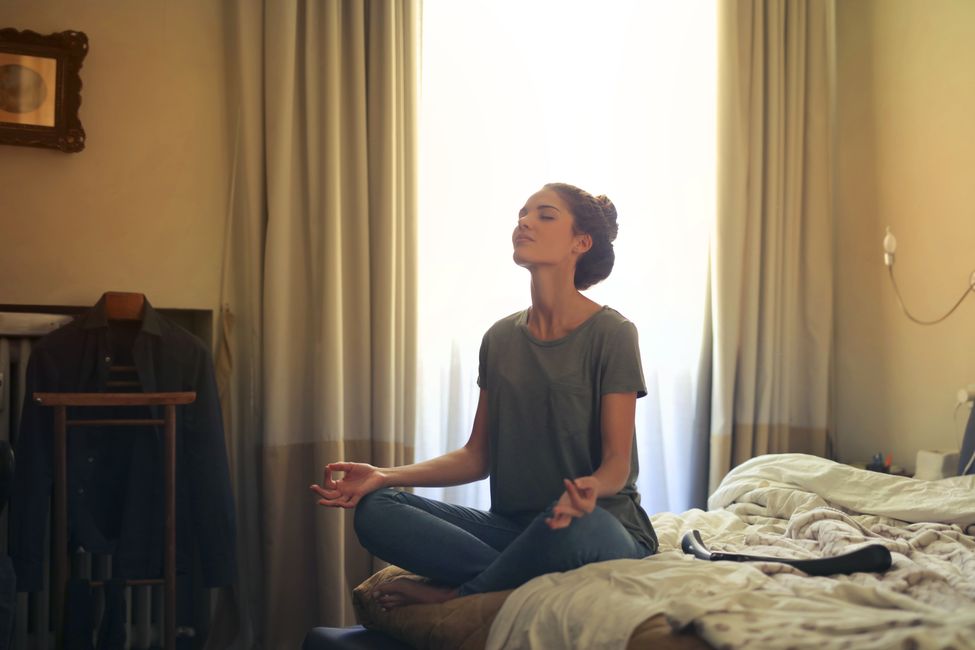
*Photo: Andrea Piacquadio · Pexels*
The study does not argue that meditation is dangerous or should be avoided. Rather, it highlights the need for a more honest and nuanced understanding of what can happen when people sit down to observe their thoughts and sensations. For some, that process can bring up difficult emotions, unsettling experiences, or a destabilising shift in how they perceive themselves and the world.
Why does meditation affect people differently?
The reasons behind these varied responses are not fully understood, but researchers believe several factors may play a role. Personal history, mental health background, and the type and intensity of meditation practice can all influence how someone responds. A person with unprocessed trauma, for example, might find that meditation brings painful memories or feelings to the surface without the support structures needed to process them safely.
The context in which people meditate also matters. Practising alone with an app is a very different experience from meditating in a structured environment with a trained teacher who can offer guidance when challenges arise. The research suggests that some of the distressing effects might be mitigated by better preparation, clearer instructions, and access to support when things feel difficult.
It is also worth noting that not all unexpected effects are necessarily harmful in the long term. Some traditions view difficult experiences during meditation as part of the process, moments that can lead to deeper insight or growth. But the distinction between a challenging experience that leads somewhere meaningful and one that causes genuine harm is not always clear, especially for people new to the practice.

*Photo: dilara irem · Pexels*
What this means for wellness conversations
This research arrives at a time when meditation is often presented as a simple solution to complex problems. It is marketed as something anyone can do, anywhere, at any time, with only positive outcomes. The reality appears to be more textured than that.
For people who create content about mental wellness, whether through podcasts, writing, or teaching, these findings are a reminder to approach meditation with care and honesty. Recommending the practice without acknowledging that it can be challenging for some people risks leaving those individuals feeling isolated or as though they are doing something wrong.
It also raises questions about informed consent. When someone begins meditating, do they understand that it might stir up difficult feelings or experiences? Are they prepared for that possibility, and do they know where to turn if it happens? These are questions that the wellness community is only beginning to address seriously.
The good news is that this research does not suggest meditation should be abandoned. Instead, it calls for a more thoughtful approach, one that recognises individual differences and provides better support for people who encounter difficulties. It is an invitation to move beyond one-size-fits-all advice and toward practices that are genuinely responsive to what people need.
For podcasters and creators in the mental wellness space, this research offers an opportunity to have richer, more honest conversations about contemplative practices. It matters because our audiences deserve information that reflects the full spectrum of human experience, not just the success stories. And it matters because when people know what to expect, they are better equipped to make choices that truly serve their wellbeing.
Based on reporting from sciencedaily.com.



Comments
Loading comments…