

Depression in older adults is often understood as a response to life circumstances, isolation, or the challenges that come with ageing. But new research suggests that in some cases, depression may be something else entirely: an early signal that the brain is beginning to change in ways that will later show up as Parkinson's disease or Lewy body dementia.
According to researchers, depression can appear years before these conditions are formally diagnosed, and it tends to remain elevated long after diagnosis too. That pattern is different from what happens with other chronic illnesses, where depression often eases once treatment begins or people adjust. The persistence of depression in these cases points to something deeper, something rooted in the biology of the brain itself rather than in emotional distress alone.
A Different Kind of Depression
The study highlights an important distinction. When someone develops a chronic illness like diabetes or heart disease, depression may follow as they come to terms with the diagnosis and its impact on their life. But that form of depression usually improves over time with support, treatment, or simply adaptation.
With Parkinson's disease and Lewy body dementia, the timeline looks different. Depression shows up early, sometimes a decade or more before motor symptoms or cognitive decline become obvious. And it doesn't fade in the way you might expect. Instead, it lingers, suggesting that it may be part of the disease process itself, not just a reaction to it.
This matters because it changes how we might think about depression in older adults. Not every case of late-life depression is a warning sign, of course. But this research opens the door to understanding that some forms of depression may reflect underlying neurological changes that are only beginning to unfold.

*Photo: Tima Miroshnichenko · Pexels*
What This Means for Recognising Early Changes
One of the challenges with both Parkinson's and Lewy body dementia is that by the time they are diagnosed, the brain has often already undergone significant changes. Early symptoms can be subtle and easily mistaken for normal ageing, stress, or mood disorders. Tremors, stiffness, memory lapses, or confusion typically prompt medical attention, but by then, the disease has been quietly progressing for years.
If depression can serve as an early marker, it offers a potential window for earlier recognition. That doesn't mean depression should be treated as a diagnostic tool on its own, but it does suggest that persistent or unusual depressive symptoms in older adults might warrant closer attention, especially if they don't respond to standard treatments or if they appear alongside other subtle changes in movement, thinking, or sleep.
The research also underscores how interconnected our emotional and neurological health really are. Depression isn't just a mood state that exists separately from the brain. It involves changes in brain chemistry, structure, and function. In the case of Parkinson's and Lewy body dementia, those changes may be part of the same degenerative process that will later affect movement and cognition.
A Gentler Way of Understanding
For families and individuals living with these conditions, this research may bring a mix of feelings. On one hand, it validates something many people have sensed: that the depression they or their loved one experienced wasn't just sadness or a lack of resilience. It was real, it was biological, and it was part of a larger picture.
On the other hand, it can be unsettling to think that depression might have been a signal of something more serious all along. It's important to remember that depression is common in older adults for many reasons, and most cases are not linked to neurological disease. What this research does is add nuance to our understanding, not create alarm.
It also highlights the importance of taking mental health seriously at every age. When older adults experience depression, it deserves attention, compassion, and proper care, regardless of whether it's connected to a larger neurological process. And when depression persists despite treatment, or when it appears alongside other changes, it may be worth exploring further with a healthcare provider who understands the full range of possibilities.

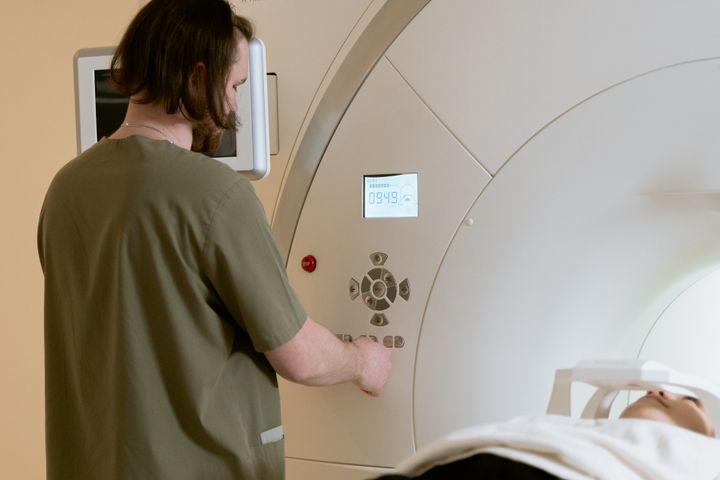
*Photo: Kindel Media · Pexels*
The findings come from ScienceDaily, and they remind us that the brain is complex, and so is the experience of ageing. Depression is never just one thing. It can be a response to loss, a symptom of illness, a chemical imbalance, or a sign of something unfolding beneath the surface.
For those working in mental health, podcasting about wellbeing, or supporting older adults, this research is a reminder to listen carefully and to hold space for the full story. Depression in later life is not a failure of character or a lack of gratitude. It's a signal worth paying attention to, with kindness and without assumptions. And when it persists or puzzles, it may be the brain asking for help in the only way it knows how.
Based on reporting from sciencedaily.com.


Comments
Loading comments…