
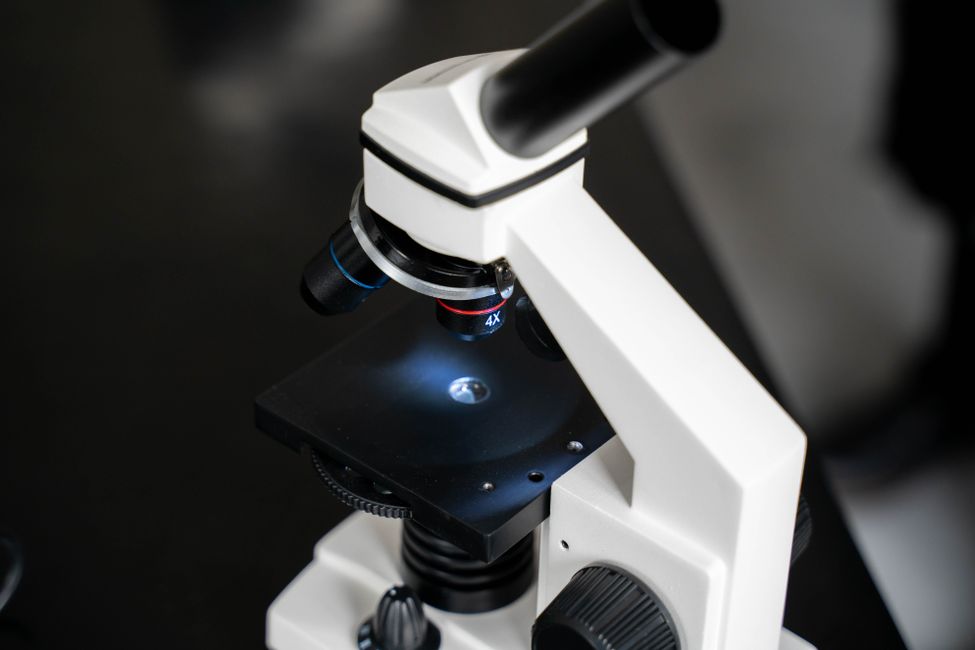
Researchers have taken a step toward more personalized Alzheimer's care by growing miniature versions of human brains in the lab. These tiny models, called organoids, are made from cells taken from actual patients and are being used to test how different people's brain tissue responds to medication.
The work focuses on one antidepressant in particular, and the early findings show something striking: the same drug can produce very different effects depending on whose cells were used to grow the organoid. That variability could eventually help doctors figure out which treatments are most likely to help which patients, rather than relying on trial and error.
Why mini brains matter
Brain organoids are not full brains. They are small clusters of cells that mimic some of the structure and function of real brain tissue. Scientists have been using them for several years to study diseases in ways that animal models or cell cultures cannot quite capture. Because the organoids are grown from a patient's own cells, they carry the same genetic information and some of the same biological quirks.
In this case, researchers grew organoids from people living with Alzheimer's disease. They then exposed the tissue to an antidepressant and watched what happened. The responses varied widely. Some organoids showed changes that suggested the drug might be helpful. Others did not. That kind of insight is hard to come by in traditional research, where treatments are tested on large groups and individual differences often get averaged out.
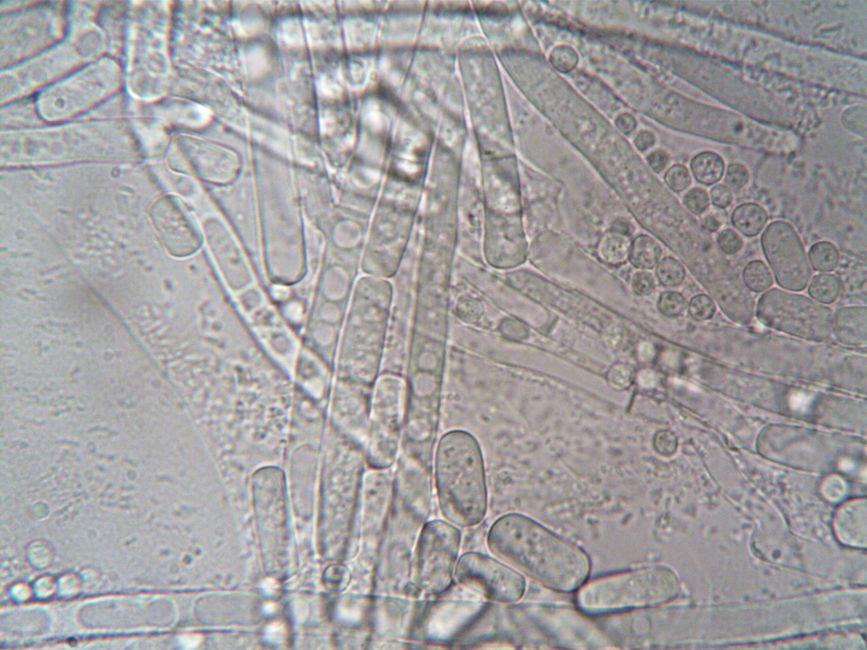
*Photo: turek · Pexels*
The researchers also looked at particles released by the organoids. These tiny fragments, which cells shed naturally, could offer clues about what is happening inside the brain. The hope is that one day, doctors might be able to use similar markers to diagnose Alzheimer's earlier or to monitor how well a treatment is working, without needing invasive procedures.
The link between depression and Alzheimer's
Depression and Alzheimer's disease often appear together, though the relationship between them is complicated. Some people develop depression as an early symptom of Alzheimer's. Others have a history of depression that may increase their risk of dementia later in life. The two conditions can also share underlying biological processes, including inflammation and changes in how brain cells communicate.
Antidepressants are sometimes prescribed to people with Alzheimer's, both to manage mood and because some researchers believe these drugs might have protective effects on the brain. But the results have been mixed, and not everyone benefits. That is part of what makes this research interesting. If scientists can predict who will respond to a given drug before it is prescribed, it could spare patients months of ineffective treatment and side effects.
The organoid approach is still experimental. Growing these models is time-consuming and expensive, and there are limits to how closely they can mirror the complexity of a living brain. But the early results suggest the method has potential, especially as the technology improves and becomes more accessible.
What this could mean for patients and families
Alzheimer's disease affects millions of people worldwide, and the search for better treatments has been long and often frustrating. Most drugs currently available can slow symptoms for a while, but they do not stop the disease, and they do not work for everyone. Families and caregivers often face difficult decisions about which treatments to try, with little information to guide them.
Personalized medicine, the idea that treatment should be tailored to the individual, has been gaining ground in other areas of health care. Cancer treatment, for example, increasingly relies on genetic testing to match patients with therapies that are most likely to work for their specific tumor. Alzheimer's research has lagged behind, partly because the brain is so difficult to study and partly because the disease itself is so varied.

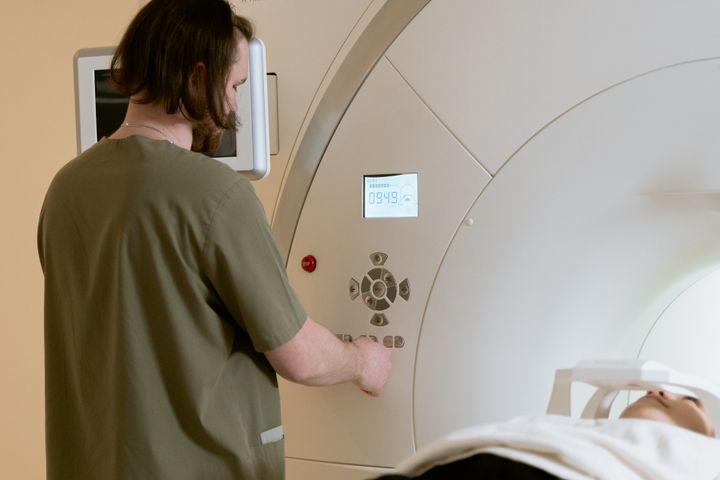
*Photo: Kwaku Griffin · Pexels*
If organoid testing becomes practical, it could give families more confidence in the treatment plan. It could also speed up drug development by helping researchers identify which compounds are worth pursuing and for whom. The particles released by the organoids might even lead to new diagnostic tools, making it possible to catch Alzheimer's earlier, when interventions might do the most good.
For now, this work is a reminder that science is moving toward a future where one-size-fits-all treatments give way to approaches that respect how different we all are, right down to the level of our cells. That shift will not happen overnight, but each study like this one brings it a little closer.
Why it matters: For people navigating Alzheimer's, whether as patients or caregivers, the possibility of more precise, individualized treatment offers hope that care can become less about guessing and more about understanding what actually helps.
Based on reporting from sciencedaily.com.

Comments
Loading comments…