
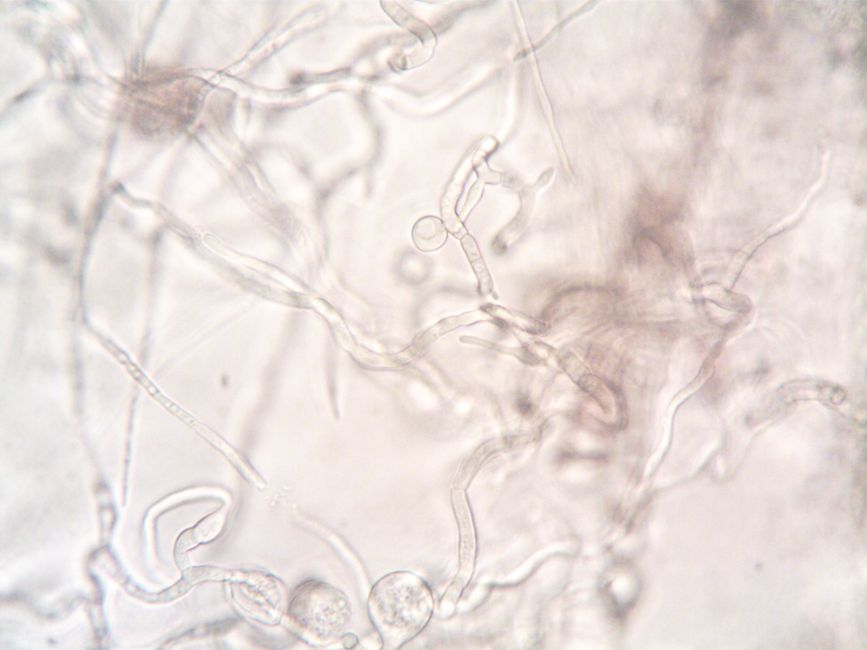
For decades, astrocytes were treated as the stagehands of the brain. These star-shaped cells were thought to simply hold neurons in place, deliver nutrients, and tidy up after the real action happened. But new research is rewriting that story entirely. It turns out astrocytes are active participants in one of our most fundamental experiences: fear.
Scientists have now shown that these overlooked cells help decide which frightening moments become seared into memory, which ones we can recall, and which ones eventually lose their grip on us. The discovery could reshape how we understand and treat conditions like PTSD and anxiety disorders.
More than scaffolding
The traditional view of the brain placed neurons at the centre of everything. They fire, they connect, they store memories. Astrocytes, meanwhile, were considered passive housekeepers. They outnumber neurons, filling much of the brain's volume, but for a long time researchers assumed they were just keeping the lights on.
That picture has been crumbling for years, but this latest work makes the case impossible to ignore. Researchers studying fear memory found that astrocytes don't just sit quietly while neurons do the heavy lifting. They interact with neurons in real time, shaping the very process of learning to be afraid.
When an animal experiences something frightening, neurons in specific brain regions become active and form connections. What the new research reveals is that astrocytes are right there alongside them, influencing how strong those connections become. They're not observing the process. They're part of it.
*Photo: Landiva Weber · Pexels*
Turning fear up and down
The most striking part of the findings is what happened when researchers deliberately changed astrocyte activity. By making these cells more or less active during fear learning, the scientists could directly alter how intense the resulting fear memory became.
In practical terms, that means astrocytes help determine whether a bad experience becomes a passing unpleasant memory or something that haunts you. They're involved when that memory gets recalled later, and crucially, they also play a role in weakening fear responses over time, a process that's essential to recovery.
This isn't a small supporting role. Astrocytes appear to be central to the entire lifecycle of a fear memory, from the moment it forms to the gradual process of letting it go. That has profound implications for anyone who's ever struggled with intrusive memories, panic responses, or the lingering weight of trauma.
What it could mean for treatment
Current treatments for PTSD and anxiety disorders mostly focus on neurons. Medications target neurotransmitter systems, and therapies like exposure treatment work by helping the brain relearn safety through repeated experience. These approaches help many people, but they don't work for everyone, and we've long known there are gaps in our understanding.
Astrocytes represent an entirely new angle. If these cells are genuinely controlling fear memory, then finding ways to influence their activity could open up treatment paths that simply didn't exist before. It's early days, and translating findings from laboratory models to human therapies takes time, care, and rigorous testing. But the principle is compelling.
*Photo: Anna Shvets · Pexels*
The research also offers something else: a reminder of how much we still don't know about our own minds. The brain is not a fixed machine with a single instruction manual. It's layered, adaptive, and full of players we're only beginning to recognise. Astrocytes were hiding in plain sight, doing essential work while we looked elsewhere.
Why it matters
For anyone living with anxiety, phobias, or trauma responses, this research is a quiet form of hope. It doesn't promise a cure or a quick fix, but it does suggest that science is still uncovering fundamental truths about how fear works. Every new layer of understanding brings us closer to more effective, more personalised ways of healing.
For those of us making podcasts and content about mental health, it's a reminder to stay curious and humble. The biology of emotion is more intricate than we often acknowledge, and the line between brain and mind, between cells and experience, is beautifully blurred.
Fear is one of our oldest companions. It kept our ancestors alive, and it still serves us in moments of real danger. But when it overstays its welcome, when it writes itself too deeply into our neural architecture, we need every tool we can find to gently show it the door. Astrocytes may turn out to be one of those tools.
If fear has been taking up too much space in your life, support is available.
Based on reporting from sciencedaily.com.
Comments
Loading comments…