
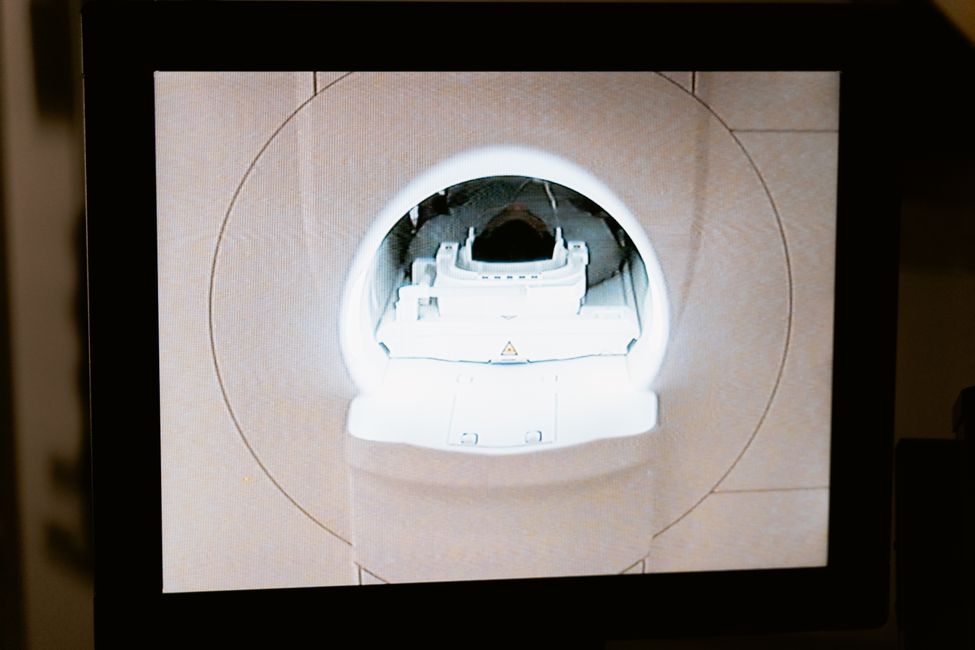
For anyone who has watched an injury heal on the outside while pain continues to burn on the inside, a new discovery offers both an explanation and a glimmer of hope. Researchers have identified a small, previously overlooked region deep in the brain that appears to act as a kind of switch—one that determines whether pain resolves naturally or settles in for the long haul.
The region is called the caudal granular insular cortex, or CGIC for short. It sits tucked away in a part of the brain that scientists have only recently begun to understand. What they found is that this tiny area appears to function like a command center, instructing the body to keep pain signals flowing long after the original injury has mended.
A switch that keeps pain alive
Chronic pain is one of the most isolating experiences a person can endure. It affects millions of people worldwide, often without clear cause or cure. Unlike acute pain, which serves as a warning that something is wrong, chronic pain persists even when the body has healed. It can last for months or years, reshaping a person's life in ways that are difficult to put into words.
Until now, the mechanisms behind this transformation from temporary to lasting pain have remained largely mysterious. The new research suggests that the CGIC may be a critical piece of the puzzle. In animal studies, scientists observed that this brain region appears to sustain pain pathways even when there is no ongoing damage to explain them.
What makes the discovery particularly striking is what happened when researchers intervened. By shutting down activity in the CGIC, they were able to prevent chronic pain from developing in the first place. Even more remarkably, the intervention appeared to reverse chronic pain that had already taken hold, offering a potential pathway not just for prevention but for relief.
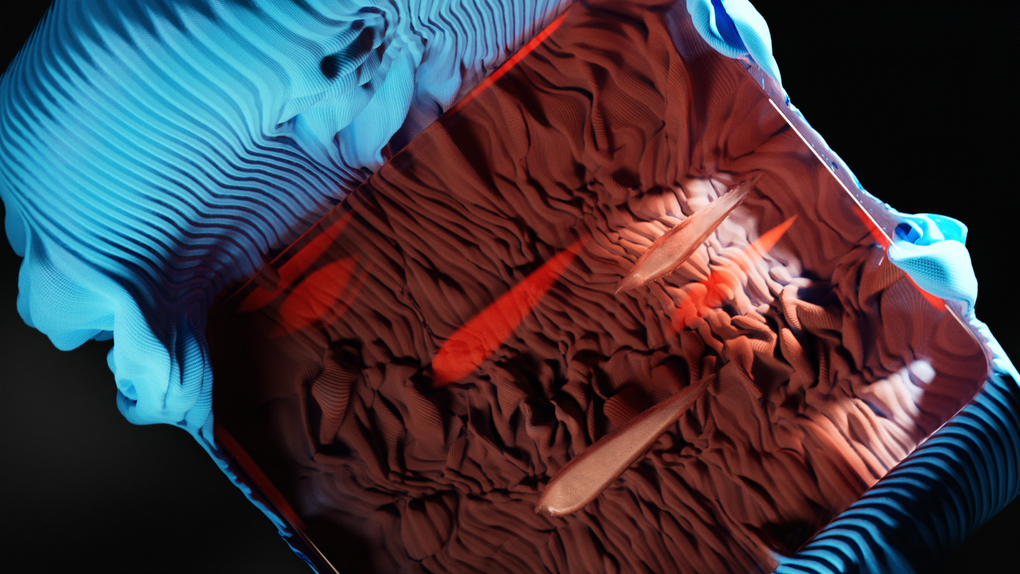
*Photo: Google DeepMind · Pexels*
What this means for understanding pain
The findings shift how we might think about chronic pain itself. Rather than viewing it solely as a problem in the body's tissues or nerves, this research points to the brain's role in deciding whether pain continues. It is a reminder that pain is not just a signal—it is also a process, one that the brain actively manages and sometimes sustains beyond its usefulness.
For people living with chronic pain, this kind of research can feel both validating and frustrating. Validating because it confirms that the pain is real, rooted in measurable changes in the brain. Frustrating because it underscores how much remains unknown, and how far we still are from treatments that work reliably for everyone.
The CGIC is not a household name, even among neuroscientists. It is part of the insular cortex, a region involved in processing bodily sensations and emotions. The fact that such a small, specific area could wield so much influence over something as pervasive as chronic pain speaks to the brain's complexity and to the careful, painstaking work required to map it.


Comments
Loading comments…