
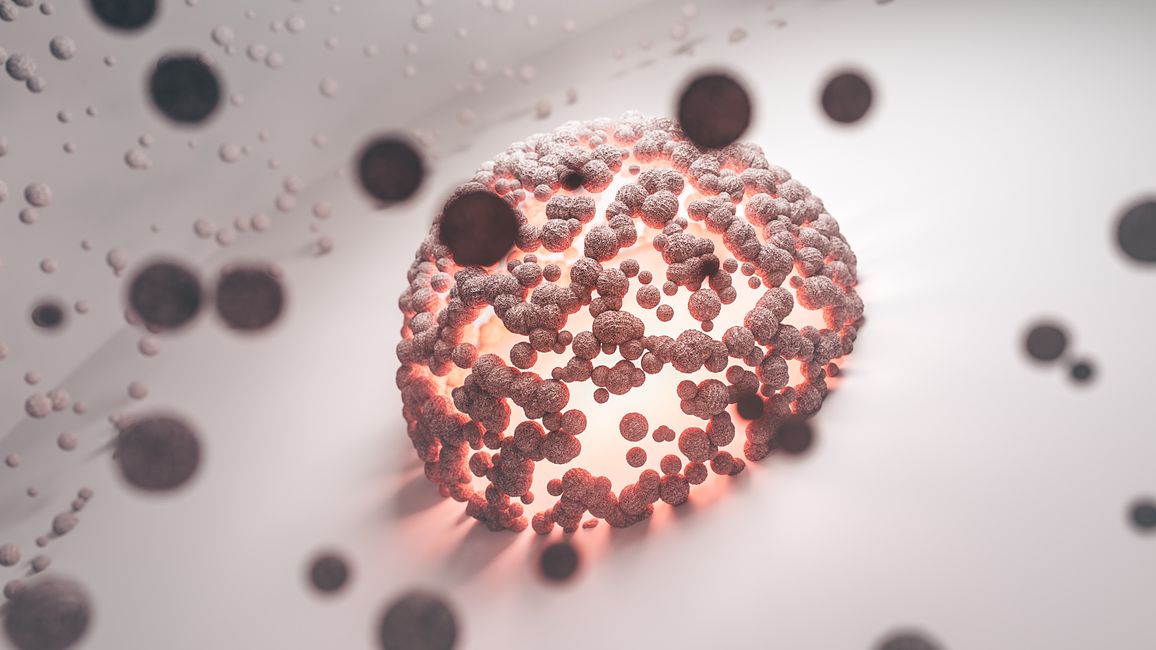
For decades, psychiatry has tried to map mental illness by symptoms alone. Now, a team at Harvard is looking deeper, past behaviour and mood, into the microscopic engines that keep our brain cells running. What they are finding could reshape how we understand conditions like depression, bipolar disorder, and schizophrenia.
The research centres on cellular metabolism, the process by which our cells convert nutrients into energy. When that energy system falters inside neurons, the effects can ripple outward into mood, cognition, and emotional regulation. The scientists used reprogrammed neurons, cells engineered to mimic brain tissue, to observe these energy failures up close. What emerged was a picture of mental illness not as a single malfunction, but as a complex biological event rooted in how our cells power themselves.
The problem with labels
Traditional psychiatric diagnosis relies heavily on categorising people by clusters of symptoms. You feel this way, behave that way, and the label follows. But the Harvard work suggests that approach may miss what is actually happening beneath the surface. Two people with the same diagnosis might have entirely different biological drivers. One person's depression might stem from one kind of metabolic disruption, while another's comes from something else entirely.
The researchers argue for moving away from rigid diagnostic boxes and toward systems that reflect the true biological complexity of mental health. That means looking at the mechanisms, the cellular and metabolic processes, rather than just the outward signs. It is a fundamental shift in perspective, one that treats mental illness less like a checklist and more like a spectrum of interconnected biological events.
*Photo: Google DeepMind · Pexels*
What this means for treatment
If energy failures inside brain cells contribute to psychiatric conditions, then the door opens to entirely new forms of care. Instead of waiting for someone to reach crisis, clinicians might one day identify metabolic vulnerabilities early and intervene before symptoms take hold. Precision medicine, already transforming fields like cancer care, could become a reality in mental health.
This is not about replacing therapy or dismissing the role of life experience. Trauma, loss, stress, and environment all matter deeply. But understanding the biological underpinnings could help explain why some people are more vulnerable, why certain treatments work for some and not others, and how we might prevent suffering before it begins.
The research also points toward preventive care, a concept that has long been elusive in psychiatry. If we can measure cellular health and spot early warning signs in metabolism, we might be able to support people before they spiral. That kind of early intervention could reduce the burden of illness and offer hope to those who have felt failed by traditional approaches.
A more human system
What stands out in this work is not just the science, but the humility. The researchers acknowledge that mental illness is messy, layered, and deeply individual. By moving away from one-size-fits-all categories, they are making space for that complexity. They are saying that your struggle is not just a label. It is a biological story, and understanding that story might help us care for you better.

*Photo: Mikhail Nilov · Pexels*
The implications stretch beyond the clinic. For people living with mental health conditions, this research offers validation. It says that what you are experiencing has roots in biology, that it is real and measurable, and that science is working to meet you where you are. It also challenges stigma. When we see mental illness as a metabolic or cellular issue, it becomes harder to dismiss it as weakness or failure.
For the wider mental health field, this is a call to evolve. The old models served a purpose, but they were never complete. Biology-based systems that honour complexity and individuality could bring us closer to truly effective, compassionate care. That does not mean abandoning what works now. It means building on it, refining it, and being willing to rethink assumptions that no longer serve us.
The Harvard research is part of a broader movement in neuroscience and psychiatry, one that sees mental health through the lens of the whole person: brain, body, environment, and experience. It is a shift toward precision, prevention, and a deeper respect for how intricate we all are.
For podcasters and creators in the mental wellness space, this work is a reminder that the conversation is changing. The more we learn about the biology of mental health, the more we can speak to it with nuance and care. It is an invitation to stay curious, to follow the science, and to hold space for the complexity of human experience.
Based on reporting from sciencedaily.com.

Comments
Loading comments…