

Pain is one of the most universal human experiences, yet how our brains actually manage it has remained surprisingly mysterious. Now researchers have created the most detailed map yet of the brain's built-in pain control centre, revealing a precision system that could change how we approach pain relief.
Using advanced imaging technology, scientists have discovered that the brainstem handles pain from different parts of the body through distinct, separate regions. The findings open a path toward treatments that work with the body's own mechanisms rather than relying on opioids.
Seeing pain management in unprecedented detail
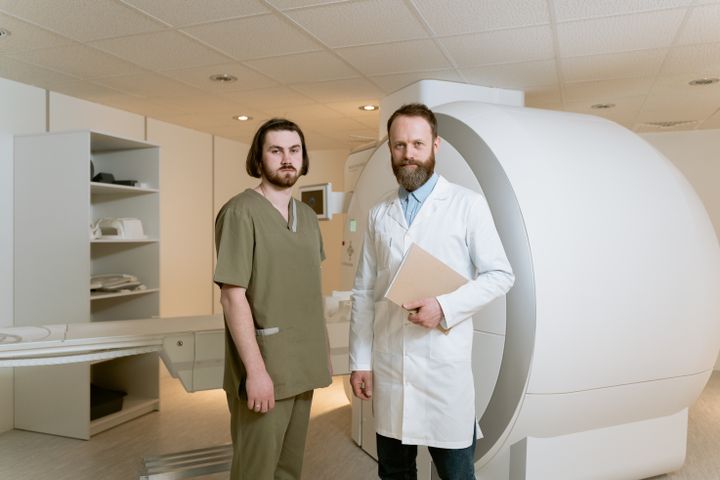
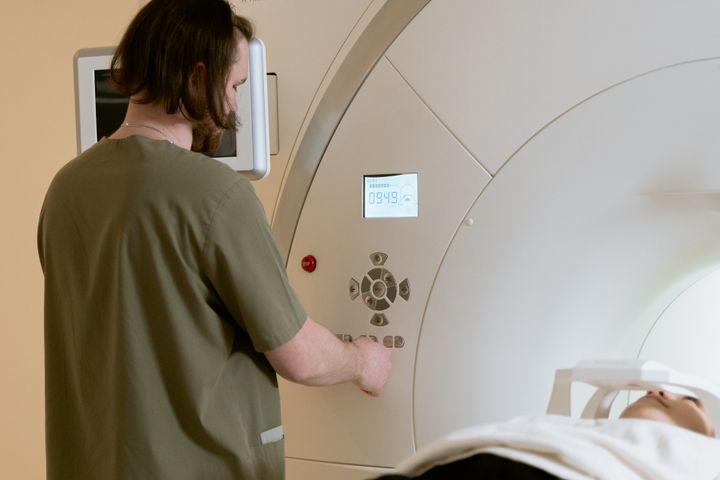
The research team used 7-Tesla brain imaging, a powerful scanning technology that captures far more detail than standard medical scans. This allowed them to observe the brainstem, a small but crucial region at the base of the brain, as it responded to pain signals from different areas of the body.
What they found was remarkable. The brainstem doesn't treat all pain the same way. Instead, it activates different zones depending on whether pain comes from the face or from the limbs. This specificity suggests our brains have evolved a sophisticated, targeted approach to managing discomfort across the body.
*Photo: MART PRODUCTION · Pexels*
The precision of this system matters because it shows the brain isn't just broadcasting a general alarm when we hurt. It's running a coordinated response that varies based on where the problem is. Understanding this natural organisation could help researchers develop treatments that work with these pathways rather than overriding them entirely.
A safer path forward
The implications reach beyond basic neuroscience. For years, the medical community has grappled with the devastating consequences of opioid-based pain management. While these medications can be effective, they carry serious risks including addiction, overdose, and a cascade of side effects that can diminish quality of life.
This new mapping of the brainstem's pain control system points toward an alternative. The researchers noted that their findings could support the development of targeted treatments using cannabinoid mechanisms instead of opioids. Cannabinoid systems are part of the body's own regulatory network, involved in everything from mood to inflammation to pain perception.
The advantage of working with cannabinoid pathways is that they may offer relief without the same level of risk. By understanding exactly which brainstem regions handle which types of pain, future treatments could potentially be designed to activate these natural control systems more precisely.
*Photo: Kleison Leopoldino · Pexels*
What this means for everyday wellbeing
For anyone who lives with chronic pain, or has watched someone struggle with it, these findings represent more than academic progress. They're a reminder that science continues to uncover the remarkable capabilities already present in our bodies.
The brainstem's ability to distinguish between facial pain and limb pain, and to manage each differently, shows an elegance in how we're built. It also suggests that one-size-fits-all approaches to pain management may be missing opportunities to work more intelligently with our natural systems.
This research doesn't offer an immediate cure, and the path from brain imaging to available treatments is long and complex. But it does shift the conversation. Instead of only asking how to block pain signals or numb sensation, researchers can now ask how to support and enhance the control systems that are already there.
For those interested in holistic wellbeing, this aligns with a growing understanding that our bodies often have mechanisms worth supporting rather than overriding. The brainstem's precision pain management is part of a broader picture of how interconnected our systems are, how responsive they can be, and how much we still have to learn about working with them.
The use of 7-Tesla imaging technology also highlights how tools matter. Sometimes breakthroughs come not from entirely new ideas, but from finally being able to see clearly what was always there. The brainstem has been managing pain in this sophisticated way throughout human history. We're only now developing the means to observe it in action.
As research continues, the hope is that this detailed mapping will lead to treatments that are both more effective and safer. For the millions of people navigating pain, whether from injury, illness, or chronic conditions, that possibility matters deeply. It suggests a future where relief doesn't have to come with the weight of addiction risk or severe side effects.
This work reminds us that understanding how we function, down to the specific regions of the brainstem, isn't abstract science. It's the foundation for care that respects both our suffering and our complexity.
Based on reporting from sciencedaily.com.

Comments
Loading comments…