
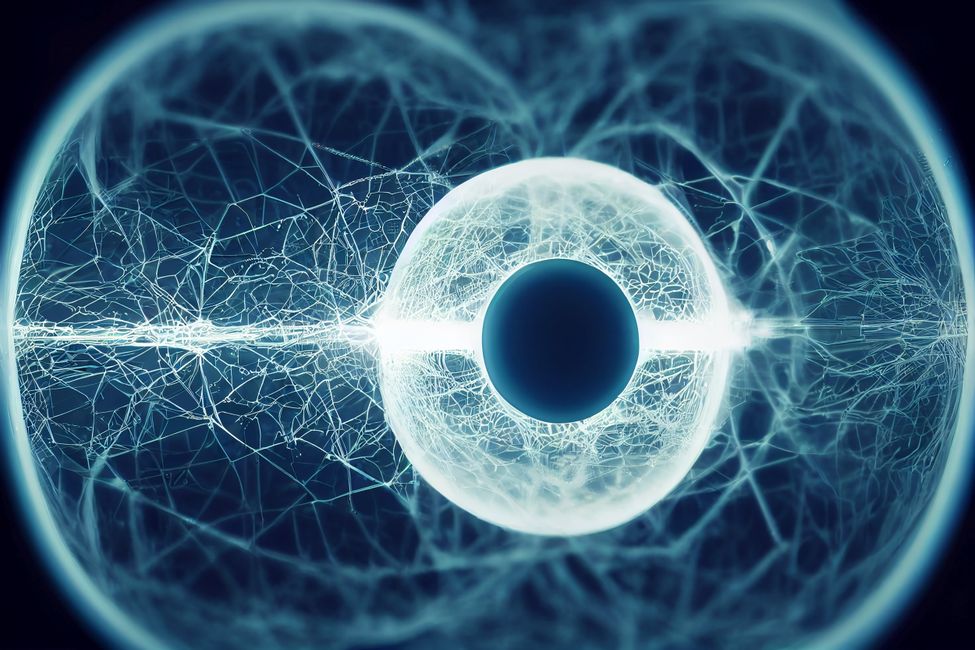
For years, people have been told that depression is just a chemical imbalance, a phrase that captured something real but left out most of the complexity. Now, researchers have taken a significant step forward by identifying two specific types of brain cells that behave differently in people living with depression. This work moves us closer to understanding what actually happens at the cellular level when depression takes hold.
The findings come from a study that examined donated brain tissue using advanced genetic tools, allowing scientists to look at individual cells in unprecedented detail. What they found were distinct changes in two types of cells: neurons that are involved in regulating mood and responding to stress, and microglia, which are immune cells that live in the brain and help maintain its health.
What the research revealed
The study focused on patterns of activity and function within these cells, comparing tissue from people who had experienced depression with tissue from those who had not. The neurons showed alterations in how they process signals related to mood and stress, suggesting that the brain's ability to regulate emotional responses may be compromised at a fundamental level. Meanwhile, the microglia displayed signs of heightened activity, pointing to inflammation or immune system involvement in depression.
These changes are not just abstract markers. They represent disruptions in critical brain systems that affect how we feel, think, and cope with the world around us. The researchers believe these findings help explain why depression feels so overwhelming and why it cannot simply be willed away. The brain itself is working differently.
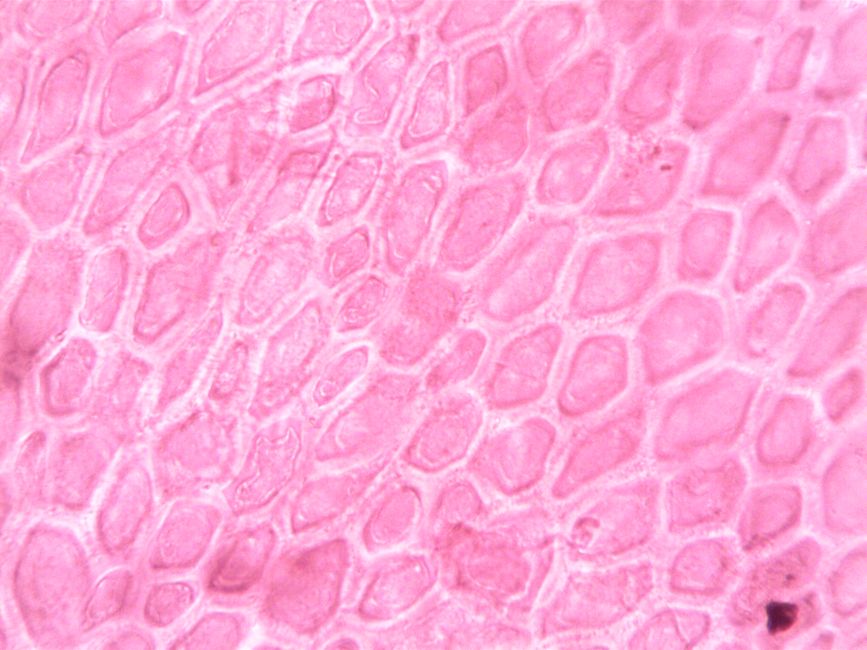
*Photo: turek · Pexels*
Why this matters beyond the lab
This research reinforces something many people with depression have long known but struggled to have validated: depression is rooted in biology. It is not a failure of character, a lack of willpower, or something that can be fixed by thinking positive thoughts. The brain is an organ, and like any organ, it can function in ways that cause suffering.
Understanding depression at the cellular level also opens new possibilities for treatment. If scientists can identify exactly which cells are behaving differently and why, they may be able to develop therapies that target those specific changes. This could lead to more effective medications, or entirely new approaches that go beyond the tools we have today.
But perhaps just as important is what this research does for the conversation around mental health. For too long, depression has been misunderstood, minimized, or dismissed. Findings like these help shift the narrative from one of blame or shame to one of compassion and curiosity. They remind us that when someone says they are struggling, something real is happening inside their brain, even if it cannot be seen from the outside.
The human side of science
It is worth pausing to acknowledge the people whose donated tissue made this research possible. Their contribution, and the willingness of their families to support science in the midst of grief, is what allows discoveries like this to happen. Every breakthrough in understanding depression is built on acts of generosity that often go unrecognized.
The study also highlights the importance of continuing to fund and support research into mental health. For decades, mental illness has received far less attention and resources than other areas of medicine, despite affecting hundreds of millions of people worldwide. Work like this shows what becomes possible when scientists have the tools and support they need to look deeper.

*Photo: Artem Podrez · Pexels*
What comes next
This research is not a cure, and it does not offer immediate answers for anyone struggling right now. But it is a meaningful step in a longer journey toward understanding and treating depression more effectively. It adds another piece to a puzzle that has frustrated scientists, doctors, and patients for generations.
For those living with depression, findings like these can offer something valuable: validation. They confirm that what you are experiencing is real, that it has a basis in biology, and that it is not your fault. They also offer hope that as science continues to uncover the mechanisms behind depression, better treatments will follow.
The study was covered by ScienceDaily and represents part of a growing body of work that is transforming how we understand mental health. As researchers continue to map the brain at ever finer levels of detail, the mystery of depression becomes a little less mysterious, and the path forward becomes a little clearer.
For anyone listening who finds themselves in a difficult place, know that support is available and reaching out is always worth it.
Based on reporting from sciencedaily.com.

Comments
Loading comments…