
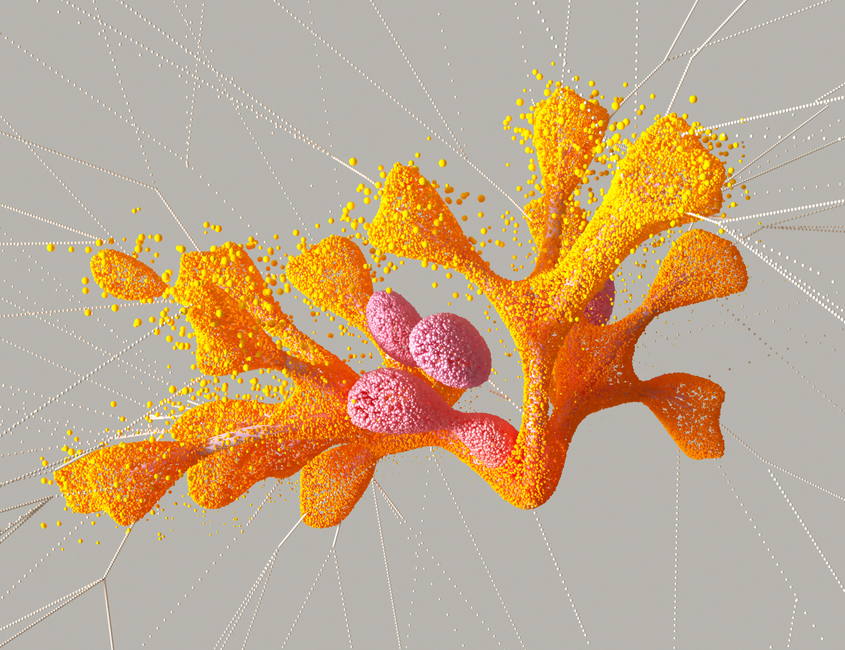
For years, people living with post-traumatic stress disorder have been told their symptoms stem from memories that won't fade. Now scientists believe they've identified a specific chemical imbalance in the brain that prevents those memories from being processed and released.
The discovery centres on a neurotransmitter called GABA, which plays a crucial role in calming brain activity. Researchers have found that in PTSD, the brain produces too much GABA, but not from the usual source. Instead of coming from neurons as expected, this excess GABA appears to be released by support cells called astrocytes. This flood of the calming chemical actually disrupts the brain's natural ability to let go of fearful memories.
The finding challenges previous assumptions about how trauma affects the brain and has already led to the development of a new medication, KDS2010, which is currently being tested in human trials.
How the brain normally processes fear
When we experience something frightening, our brains are designed to remember it so we can avoid similar danger in the future. But healthy brains also have a mechanism for gradually reducing the intensity of those fear responses when the threat has passed. This process allows us to move through the world without being constantly triggered by reminders of past difficulties.
In PTSD, that natural forgetting mechanism appears to break down. People find themselves reliving traumatic events with the same intensity, sometimes years later. Everyday situations that bear even a passing resemblance to the original trauma can provoke powerful fear responses, making ordinary life feel unsafe.
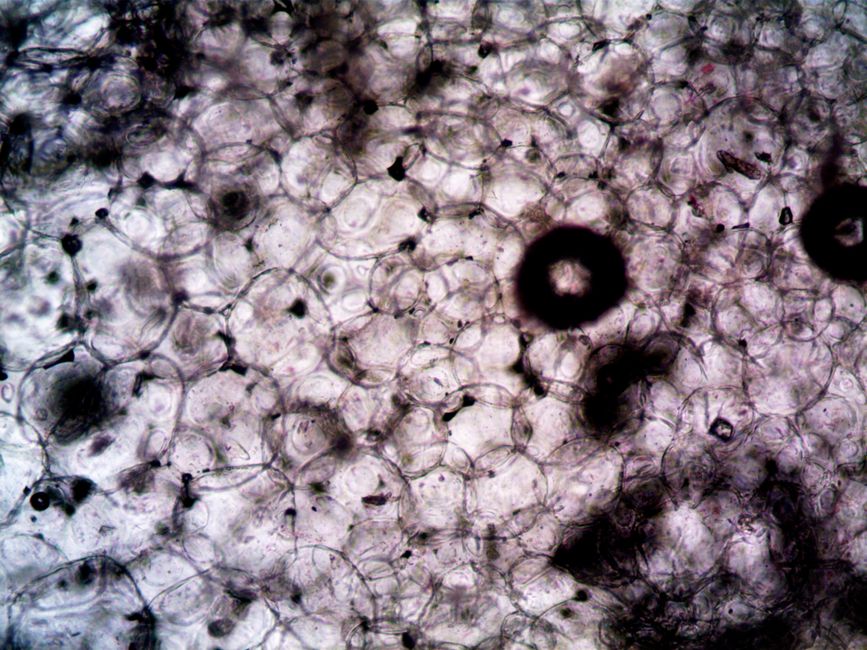
*Photo: turek · Pexels*
The research team discovered that astrocytes, which are star-shaped cells that support and nourish neurons, become overactive after trauma. These cells then release excessive amounts of GABA into the spaces between neurons. While GABA normally helps regulate anxiety and stress, too much of it in the wrong place appears to prevent the brain from updating its fear responses.
A different approach to treatment
Current treatments for PTSD typically involve therapy approaches that help people process traumatic memories, sometimes combined with medications that address symptoms like anxiety or depression. These can be effective for many people, but they don't work for everyone, and the path to recovery can be long and difficult.
The new drug, KDS2010, takes a different approach. Rather than trying to suppress symptoms or help people talk through their trauma, it targets the specific chemical imbalance that prevents fear memories from fading naturally. In studies with mice, the medication successfully reversed the effects of excess GABA from astrocytes, allowing the animals' brains to process fear memories in a healthier way.

*Photo: Polina Tankilevitch · Pexels*
The fact that this drug is already in human trials is significant. Moving from laboratory discoveries to actual treatments usually takes many years, but the research team has been able to advance relatively quickly. This suggests they have strong evidence that the approach is both safe and potentially effective.
What this means for understanding trauma
Beyond the immediate promise of a new treatment option, this research shifts how we think about PTSD at a fundamental level. For too long, trauma responses have been seen as purely psychological, something that exists in thoughts and memories alone. This work reinforces that PTSD has clear biological underpinnings, specific chemical processes that go awry in the brain.
Understanding these mechanisms doesn't diminish the psychological reality of trauma or the importance of therapy and human support. Instead, it opens up new possibilities for helping people whose brains have been changed by overwhelming experiences. It also helps remove some of the stigma that still surrounds PTSD, making it clearer that this is a medical condition with identifiable causes, not a character flaw or a failure to be resilient enough.
The research also highlights the complexity of the brain. Astrocytes were once thought to be merely supportive players, but this work shows they have active roles in shaping how we process and remember experiences. The more we learn about these intricate systems, the more targeted and effective treatments may become.
It's important to note that KDS2010 is still in trials, and it will be some time before we know whether it proves safe and effective for widespread use. Even if it does, medication is rarely a complete solution on its own. The most effective trauma treatment typically combines different approaches tailored to each person's needs.
Still, for the many people who live with the daily weight of traumatic memories, this research offers something valuable: a deeper understanding of what's happening in their brains, and the possibility that new forms of help may be on the horizon.
If you're struggling with trauma, reaching out to a mental health professional can make a difference.
Based on reporting from sciencedaily.com.

Comments
Loading comments…