
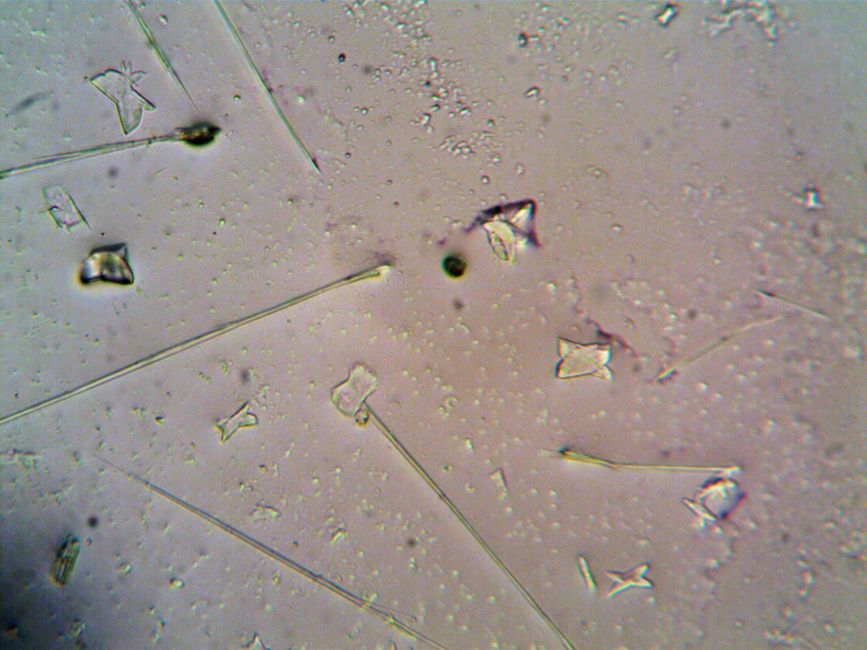
For decades, we've understood anxiety as something managed by neurons and neurotransmitters, the electrical signals firing between brain cells. But a new study is challenging that view in a surprising way. Researchers have discovered that anxiety may actually be controlled by immune cells living quietly inside the brain, two groups working against each other like opposing forces on a scale.
These cells, called microglia, have long been known as the brain's cleanup crew, clearing debris and responding to injury. What scientists didn't fully appreciate until now is that they might also be key players in regulating our emotional states, specifically anxiety.
Two groups, two directions
The study reveals that microglia don't work as a single unit when it comes to anxiety. Instead, there are two distinct populations that act in opposite ways. One group appears to push anxiety forward, amplifying the response. The other holds it back, dampening the signals that lead to anxious feelings.
The researchers describe this dynamic as something like biological pedals. One accelerates anxiety, the other brakes it. The balance between these two groups may determine how anxious a person feels at any given moment, and perhaps over the long term as well.
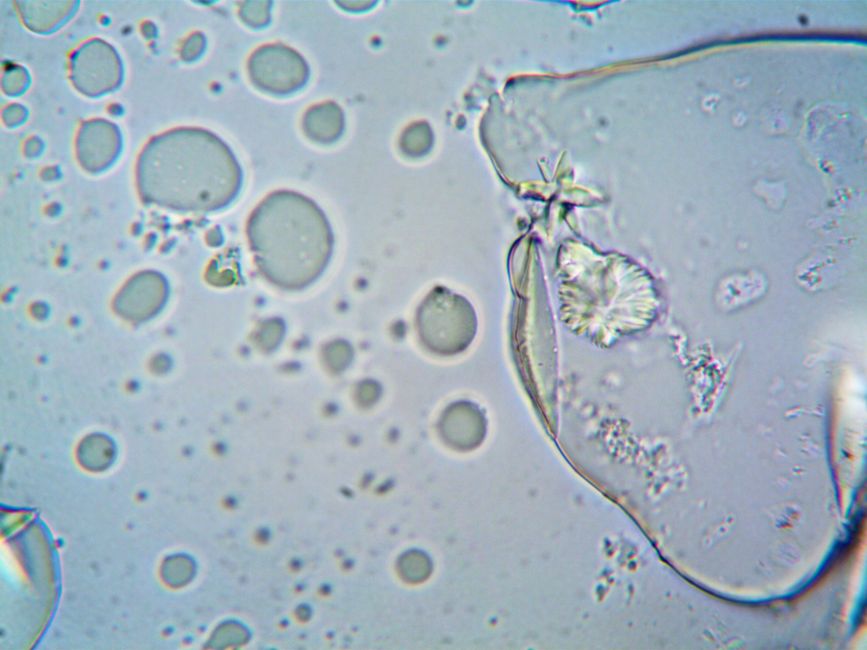
*Photo: turek · Pexels*
This finding is significant because it shifts our attention away from the traditional story about anxiety, which has focused almost exclusively on neurons and chemical messengers like serotonin and GABA. Microglia are immune cells, part of a system we usually associate with fighting infection or healing wounds, not managing mood. Their involvement suggests the brain's immune landscape and emotional regulation are far more intertwined than previously thought.
What this means for understanding anxiety
The discovery opens new questions about why some people are more prone to anxiety than others. If microglia populations vary from person to person, or if the balance between the two groups shifts due to stress, inflammation, or other factors, that could help explain individual differences in anxiety levels.
It also adds another layer to our understanding of the relationship between physical health and mental wellbeing. We've known for some time that chronic inflammation is linked to mental health conditions, including depression and anxiety. This research offers a possible mechanism: immune cells in the brain may directly influence emotional states, not just as a side effect of illness, but as active regulators of how we feel.

*Photo: cottonbro studio · Pexels*
The findings also raise the possibility of new approaches to supporting people with anxiety. If microglia are part of the control system, then interventions that influence immune function in the brain might one day complement existing treatments. This is still early-stage research, and there's a long road between laboratory findings and practical applications, but the direction is promising.
A more complete picture
What feels especially meaningful about this research is the reminder that our brains are not isolated electrical circuits. They're living organs, shaped by immune responses, inflammation, stress, sleep, diet, and countless other factors. Anxiety isn't just a matter of faulty wiring or chemical imbalance. It's part of a complex biological conversation involving many systems working together.
For those of us who live with anxiety, or who support others who do, this kind of discovery can feel both validating and hopeful. Validating because it reinforces that what we feel is rooted in real, measurable biology. Hopeful because every new piece of understanding brings us closer to better ways of caring for ourselves and each other.
The study doesn't offer immediate solutions, and it's important to note that the researchers have uncovered a mechanism, not a cure. But it does expand the map. It shows us that the territory of anxiety is larger and more intricate than we thought, and that there are still pathways we're only beginning to explore.
For podcasters and creators in the mental wellness space, this research is a reminder of how much we still have to learn, and how important it is to stay curious. The story of anxiety is still being written, and findings like these help us tell it more accurately and with more compassion.
Based on reporting from sciencedaily.com.

Comments
Loading comments…